E3/DC S10 X vs SAX Power Home 5,8 kWh
Technical comparison · All-in-one
They are not alternatives for the same home: one is a three-phase battery for a large house, the other a compact single-phase unit. The choice depends on how the electrical installation is built.
| Parameter | ||
|---|---|---|
| In brief | ||
| Usable capacity | 17.4 kWh | 5.2 kWh |
| Continuous output | 12000 W | 4600 W |
| Cell chemistry | LFP (lithium iron phosphate) | LFP (lithium iron phosphate) |
| Weight | 155 kg | 53 kg |
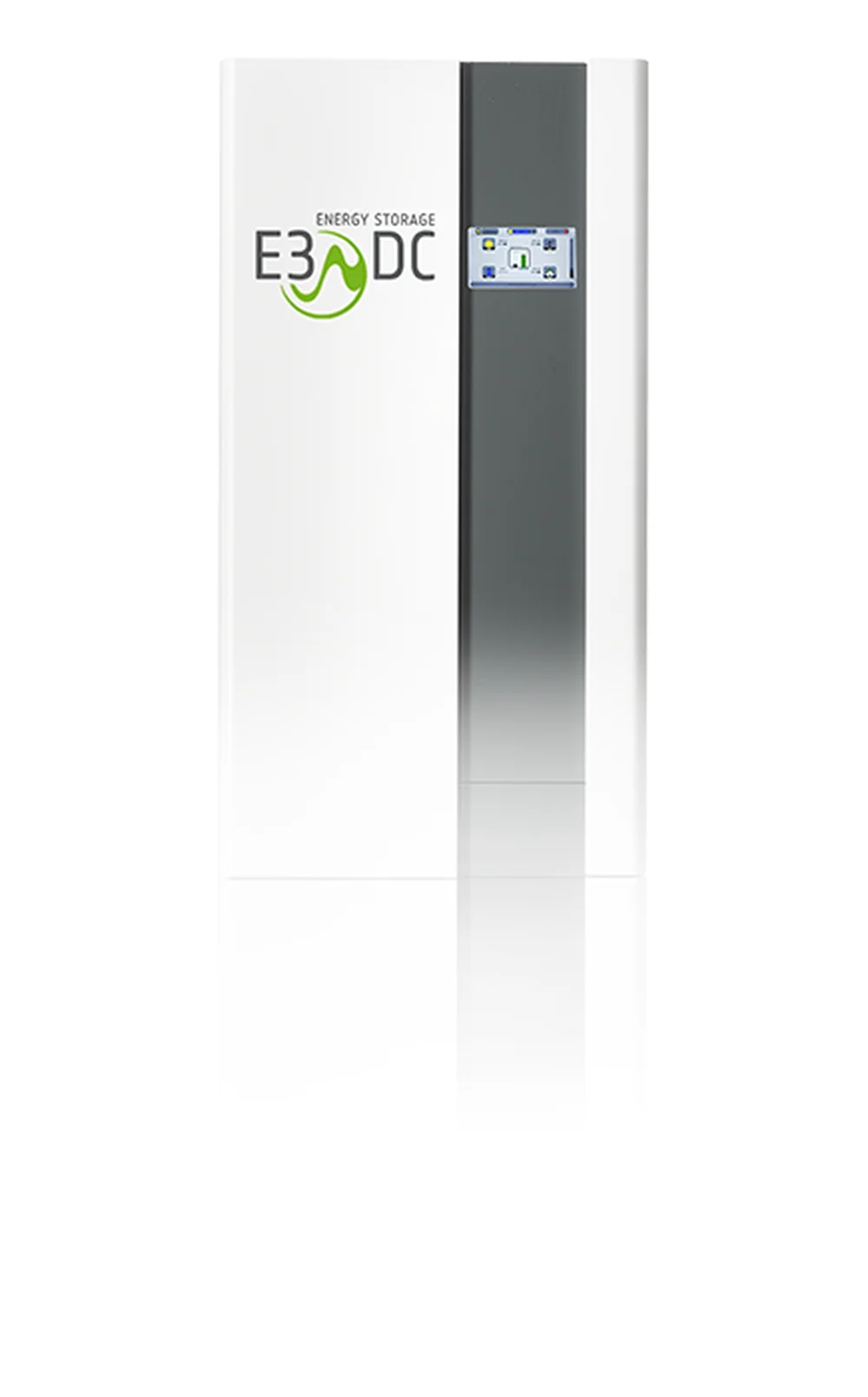
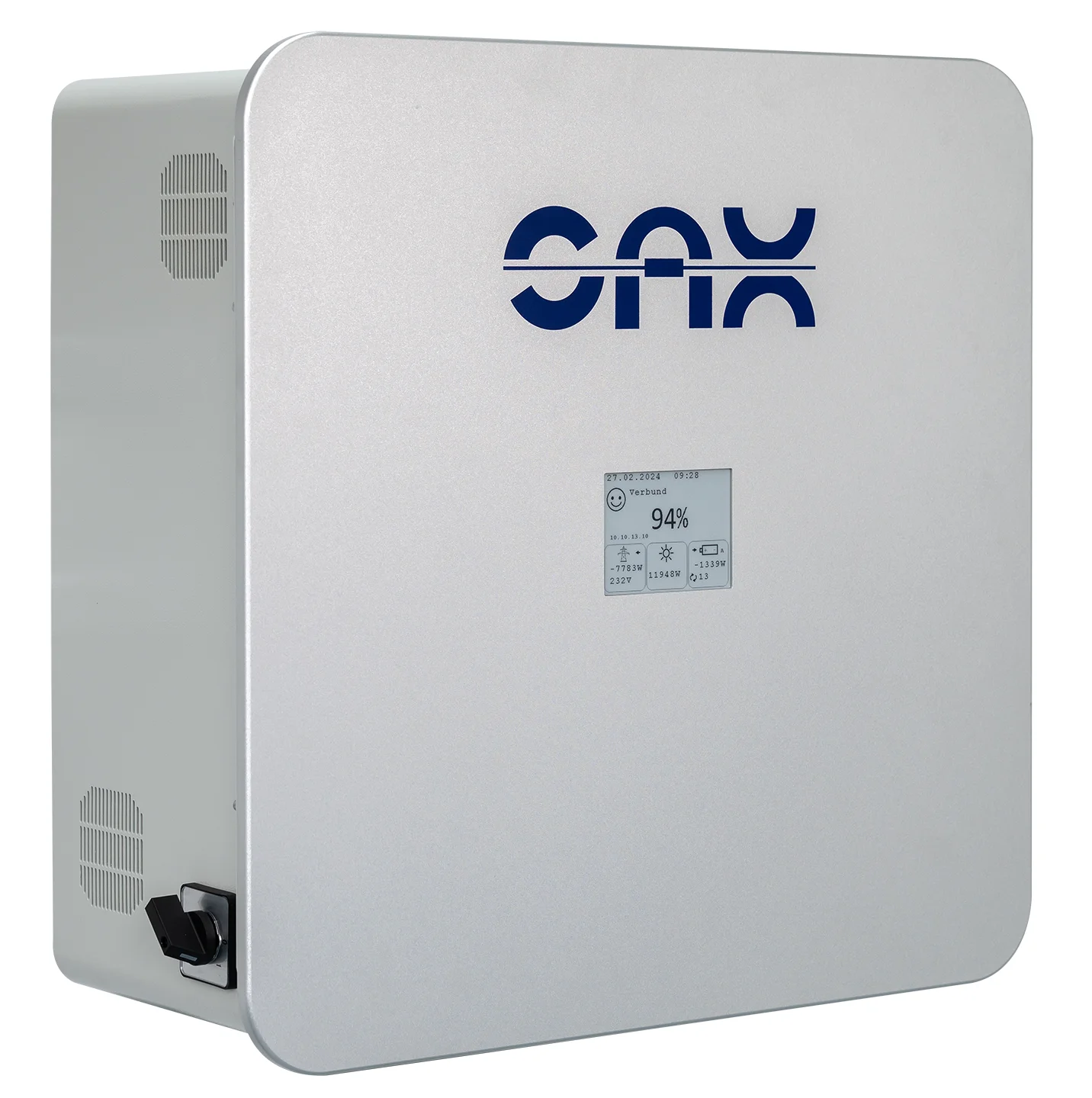
| Dimensions (W×D×H) | 61 × 44 × 141 cm | 53 × 25 × 53 cm |
| How long it lasts | ||
| Battery life cycles | 3650 cicli | 1825 cicli |
| The limit that runs out first | anni di garanzia | anni di garanzia |
| Rated cycles | — | 10000 cicli |
| Capacity at end of cycle life | — | 80 % |
| Warranty | 10 anni | 5 anni |
| Guaranteed remaining capacity | 80 % | 80 % |
| The numbers | ||
| Energy density | 112.3 Wh/kg | 98.1 Wh/kg |
| Power-to-capacity ratio | 0.69 C | 0.88 C |
| Identity | ||
| Use tier | F4 — House-sized (8–20 kWh) | F3 — Flat-sized (3–8 kWh) |
| Universal specs | ||
| Voltage | 230 V | — |
| Category specs | ||
| Expandable | Yes | Yes |
| Maximum expanded capacity | 20.6 kWh | 17.3 kWh |
| Phases | Three-phase | Single-phase |
| Maximum charge power | 11 kW | 2.5 kW |
| Backup power | EPS (brief interruption) | Full island mode |
| Backup phases | Three-phase | Single-phase |
| Black start | — | Yes |
| Grid charging | Yes | — |
| Dynamic tariffs | Built in | — |
| Heat pump integration | Yes | — |
| Standby consumption | — | 4 W |
| Ingress protection | IP20 | IP30 |
| Mounting | — | Wall mounted |
| Minimum temperature | 5 °C | 5 °C |
| Maximum temperature | 35 °C | 35 °C |
| Works without internet | Fully | — |
| Local control | Modbus | Modbus |
| Open protocols | Modbus TCP, CAN bus, EEBus | Modbus TCP, Modbus RTU |
| Remote updates | — | Mandatory |
| Declared standards | CE, UN 38.3, VDE-AR-N 4105, IEC 62619, VDE 2510-50 | VDE-AR-N 4105, UN 38.3 |
The differences that matter
- 17.4 versus 5.2 kWh usable → with a constant 1,000 W load, in theory about 17 hours versus about 5 hours, ignoring losses.
- 12,000 versus 4,600 W continuous → at 4,600 W a few big loads on together reach the limit; at 12,000 W they do not.
- Three-phase versus single-phase → decides which installation it connects to, and how many phases stay powered in backup.
- 10 versus 5 years of warranty → twice the years of cover, with the same guaranteed capacity at the end of the warranty.
Values declared by the manufacturer.
Which one to choose
Choose E3/DC S10 X if…
you have a three-phase home with heavy loads and want 12,000 W continuous with backup on all three phases. The trade-off: 155 kg at 141 cm tall, and a brief pause in backup rather than full island mode.
Choose SAX Power Home 5,8 kWh if…
you have a flat or single-phase house and a free wall for a smaller unit (53 × 25 × 53 cm), with full island mode in a blackout. The trade-off: capacity and power of a small system, and a modest charging power.
Where to buy
The purchase links are the same as on the two product pages and don't influence the verdict. The product pages have the complete data.