SAX Power Home 5,8 kWh vs sonnenBatterie 10 performance
Technical comparison · All-in-one
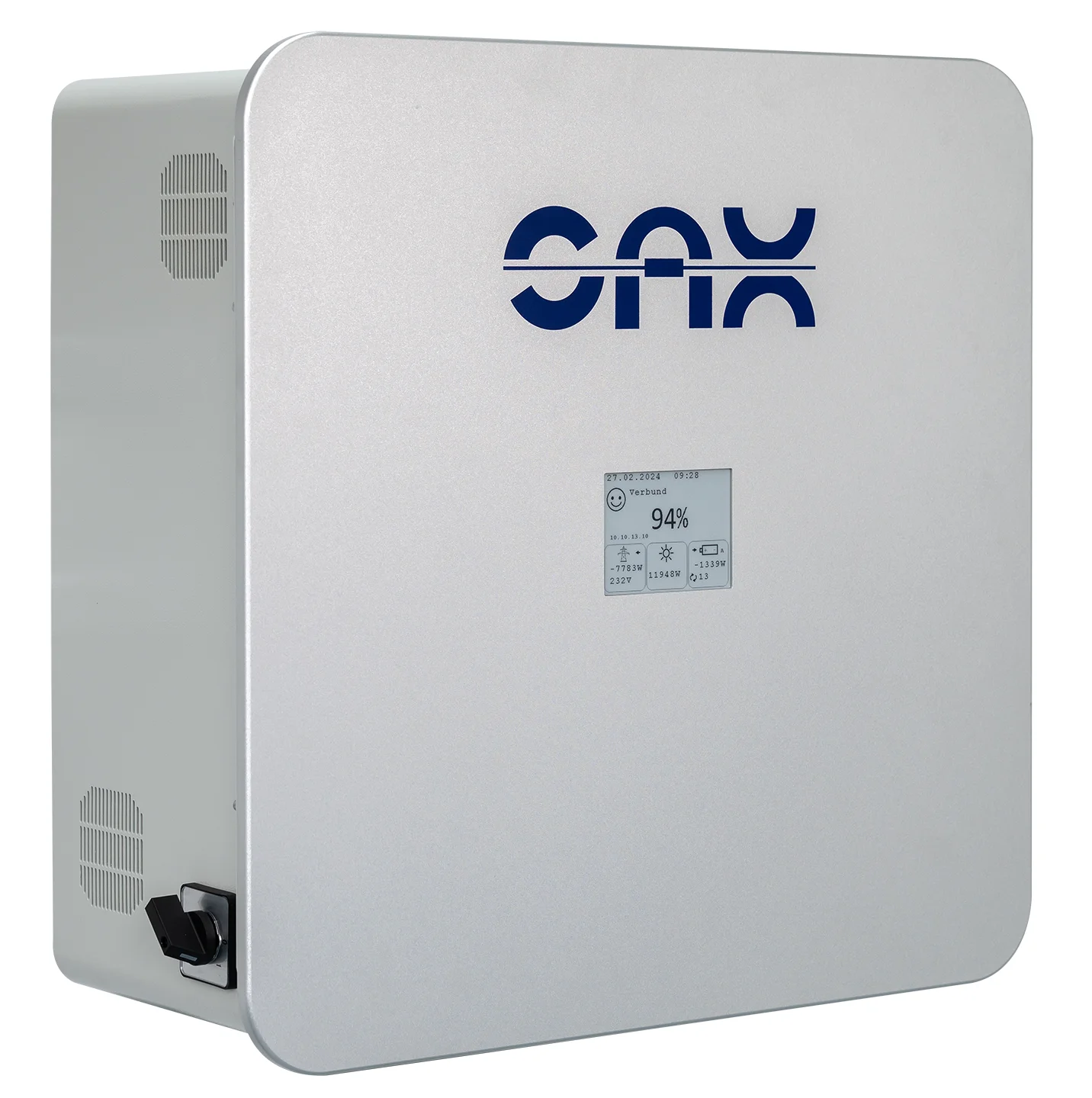
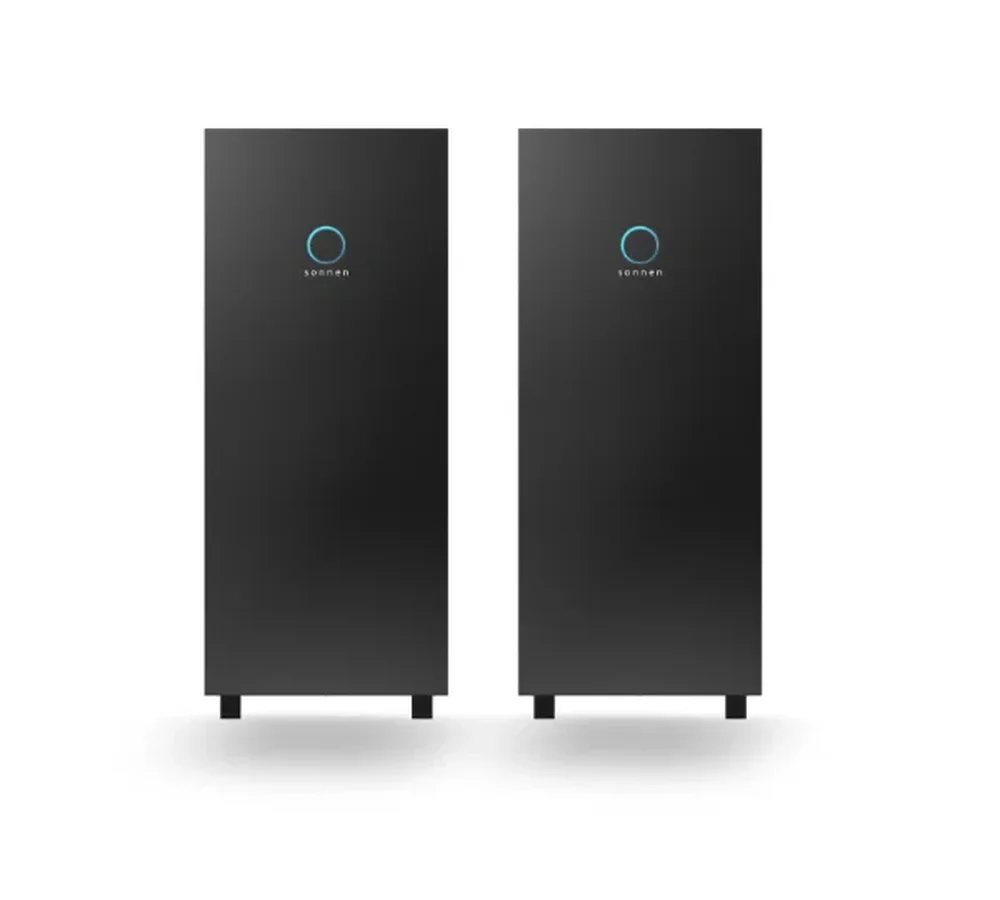
Two LFP home storage units for houses of different size. One question separates them: must the house stay powered in a blackout? SAX Power Home does it in full island mode on one phase; sonnenBatterie 10 performance declares no backup power, but is three-phase and holds nearly twice the energy. Manufacturer-declared figures.
| Parameter | ||
|---|---|---|
| In brief | ||
| Usable capacity | 5.2 kWh | 10 kWh |
| Continuous output | 4600 W | 7000 W |
| Cell chemistry | LFP (lithium iron phosphate) | LFP (lithium iron phosphate) |
| Weight | 53 kg | 165 kg |
| Dimensions (W×D×H) | 53 × 25 × 53 cm | 69 × 36 × 172 cm |
| How long it lasts | ||
| Battery life cycles | 1825 cicli | 3650 cicli |
| The limit that runs out first | anni di garanzia | anni di garanzia |
| Rated cycles | 10000 cicli | 10000 cicli |
| Capacity at end of cycle life | 80 % | — |
| Warranty | 5 anni | 10 anni |
| Guaranteed remaining capacity | 80 % | — |
| The numbers | ||
| Energy density | 98.1 Wh/kg | 60.6 Wh/kg |
| Power-to-capacity ratio | 0.88 C | 0.7 C |
| Identity | ||
| Use tier | F3 — Flat-sized (3–8 kWh) | F4 — House-sized (8–20 kWh) |
| Category specs | ||
| Expandable | Yes | Yes |
| Maximum expanded capacity | 17.3 kWh | 50 kWh |
| Phases | Single-phase | Three-phase |
| Maximum charge power | 2.5 kW | 7 kW |
| Backup power | Full island mode | None |
| Backup phases | Single-phase | None |
| Black start | Yes | — |
| EV charger integration | — | Yes |
| Virtual power plant | — | sonnenVPP |
| Standby consumption | 4 W | — |
| Ingress protection | IP30 | IP30 |
| Mounting | Wall mounted | — |
| Minimum temperature | 5 °C | -5 °C |
| Maximum temperature | 35 °C | 45 °C |
| Local control | Modbus | — |
| Open protocols | Modbus TCP, Modbus RTU | — |
| Remote updates | Mandatory | — |
| Declared standards | VDE-AR-N 4105, UN 38.3 | VDE-AR-N 4105, UN 38.3, IEC 62619, VDE 2510-50 |
The differences that matter
- Backup power: full island vs none → what happens in a blackout.
- Single-phase vs three-phase → must match the house connection.
- 5.2 kWh vs 10 kWh usable → how much of the day's solar output you can move to the evening.
- 2.5 kW vs 7 kW maximum charging → the smaller one fills more slowly when solar production is high.
Which one to choose
Choose SAX Power Home 5,8 kWh if…
you have a single-phase house and want to keep power when the grid drops, with 4.6 kW continuous and restart without grid. It hangs on a wall (53 kg) and integrates over Modbus TCP and RTU. The trade-off: 5.2 kWh usable and 2.5 kW charging, so in theory about two hours to fill it, a 5-year warranty, mandatory remote updates and installation between 5 and 35 °C.
Choose sonnenBatterie 10 performance if…
you have a three-phase house and a consumption that needs 10 kWh usable and up to 7 kW of charging and continuous power, with a 10-year warranty. It talks to the EV charger and joins the sonnenVPP virtual power plant. The trade-off: no declared backup power, so without the grid the house is dark, and 165 kg and 172 cm of height to place.
Where to buy
The purchase links are the same as on the two product pages and don't influence the verdict. The product pages have the complete data.