Anker SOLIX Solarbank Max AC vs sonnenBatterie 10 performance
Technical comparison · All-in-one
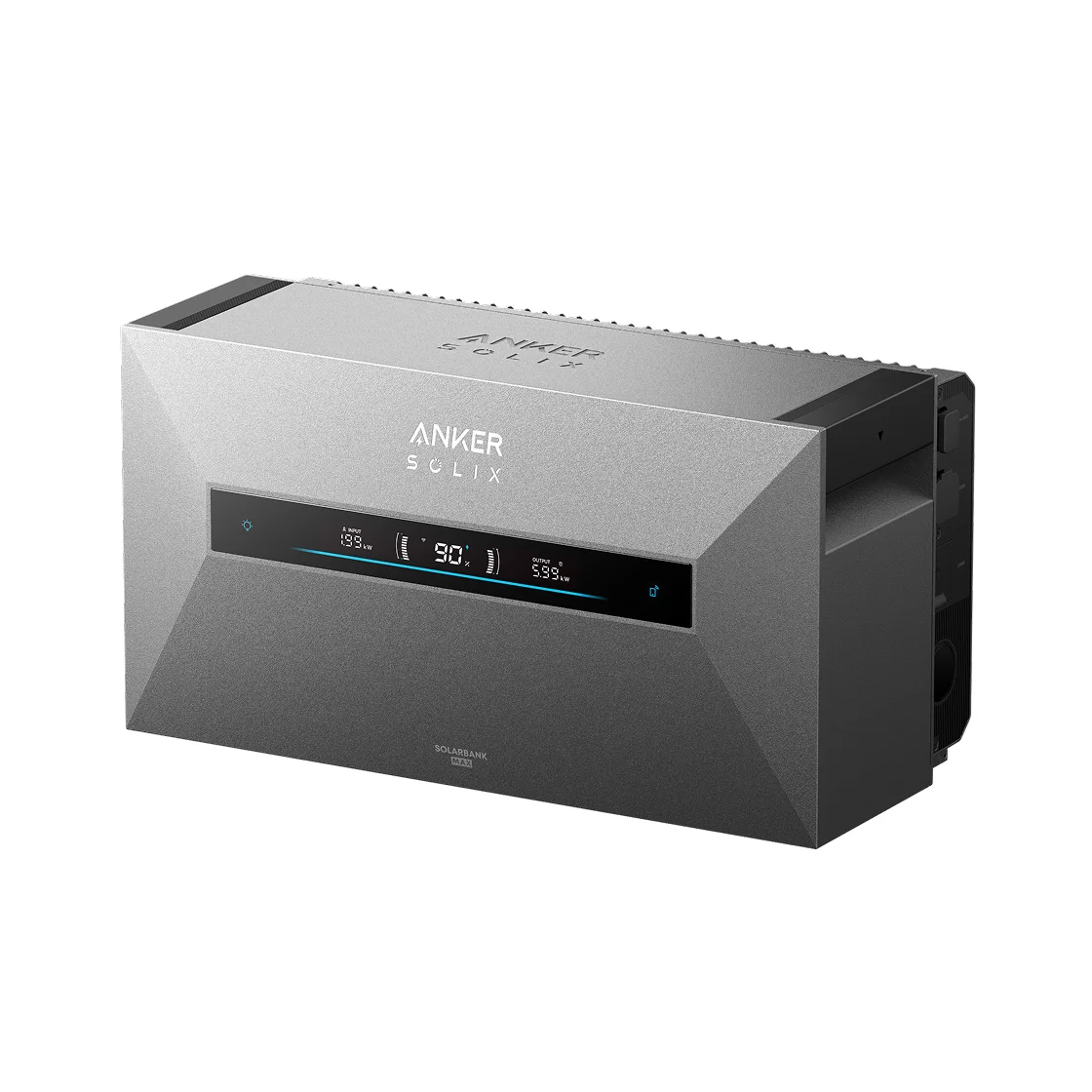
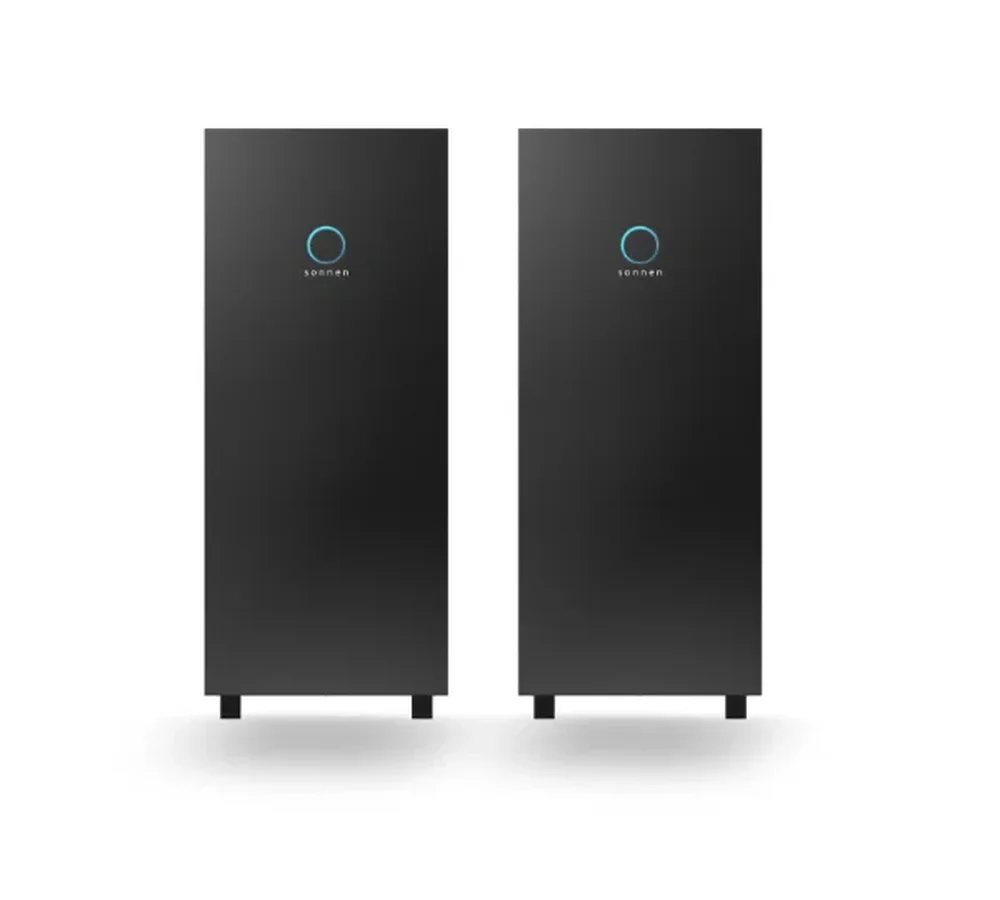
Two home batteries for different houses: the Anker sits on a single-phase installation and keeps the house running in a blackout; the sonnenBatterie works on three-phase at twice the power but has no backup function. That is the choice to make before looking at anything else. Figures are manufacturer-declared.
| Parameter | ||
|---|---|---|
| In brief | ||
| Usable capacity | — | 10 kWh |
| Continuous output | 3500 W | 7000 W |
| Cell chemistry | LFP (lithium iron phosphate) | LFP (lithium iron phosphate) |
| Cost per kWh | 228.57 €/kWh | — |
| List price | 1600 € | — |
| Weight | 73 kg | 165 kg |
| Dimensions (W×D×H) | 67 × 32.5 × 35.6 cm | 69 × 36 × 172 cm |
| How long it lasts | ||
| Battery life cycles | 3650 cicli | 3650 cicli |
| The limit that runs out first | anni di garanzia | anni di garanzia |
| Rated cycles | 10000 cicli | 10000 cicli |
| Warranty | 10 anni | 10 anni |
| The numbers | ||
| Cost of stored energy | 0.063 €/kWh | — |
| Energy density | 95.9 Wh/kg | 60.6 Wh/kg |
| Power-to-capacity ratio | 0.5 C | 0.7 C |
| Identity | ||
| Use tier | F3 — Flat-sized (3–8 kWh) | F4 — House-sized (8–20 kWh) |
| Price | ||
| Price | 1599 € | — |
| Category specs | ||
| Depth of discharge | 100 % | — |
| Expandable | Yes | Yes |
| Maximum expanded capacity | 42 kWh | 50 kWh |
| Battery voltage | 400 V | — |
| Phases | Single-phase | Three-phase |
| Maximum charge power | 3.5 kW | 7 kW |
| Backup power | UPS | None |
| Backup phases | Single-phase | None |
| Switchover time | 10 ms | — |
| Grid charging | Yes | — |
| Dynamic tariffs | Built in | — |
| EV charger integration | — | Yes |
| Virtual power plant | — | sonnenVPP |
| Ingress protection | IP66 | IP30 |
| Mounting | Floor standing | — |
| Minimum temperature | -20 °C | -5 °C |
| Maximum temperature | 55 °C | 45 °C |
| Declared standards | — | VDE-AR-N 4105, UN 38.3, IEC 62619, VDE 2510-50 |
| Grid connection power | 3.68 kW | — |
The differences that matter
- Continuous output, 3500 W vs 7000 W → the sonnenBatterie feeds more appliances at once; the Anker hits its ceiling sooner in a house with many loads running.
- Backup: UPS in 10 ms vs none → only the Anker keeps the house on during a blackout.
- Single-phase vs three-phase → decided by the connection you already have at home.
- IP66 and -20 to 55 °C vs IP30 and -5 to 45 °C → the Anker can go in a garage or outdoors; the sonnenBatterie wants an indoor room.
Which one to choose
Choose Anker SOLIX Solarbank Max AC if…
you have a single-phase installation and want the house to stay powered when the grid drops: the Anker switches over in 10 ms, like a UPS. You accept 3500 W continuous, half of the other unit, and no three-phase connection. With IP66 and an operating range of -20 to 55 °C it can also stand outdoors, on the floor.
Choose sonnenBatterie 10 performance if…
your house is three-phase and you want a battery that carries several loads at once: 7000 W continuous, 7 kW charging, 10 kWh usable and up to 50 kWh with expansions. It talks to the wallbox and joins the sonnenVPP virtual power plant. You give up backup power: with the grid down, the house stays dark. With IP30 and -5 to 45 °C it belongs in an indoor room; it is 172 cm tall and weighs 165 kg.
Where to buy
The purchase links are the same as on the two product pages and don't influence the verdict. The product pages have the complete data.