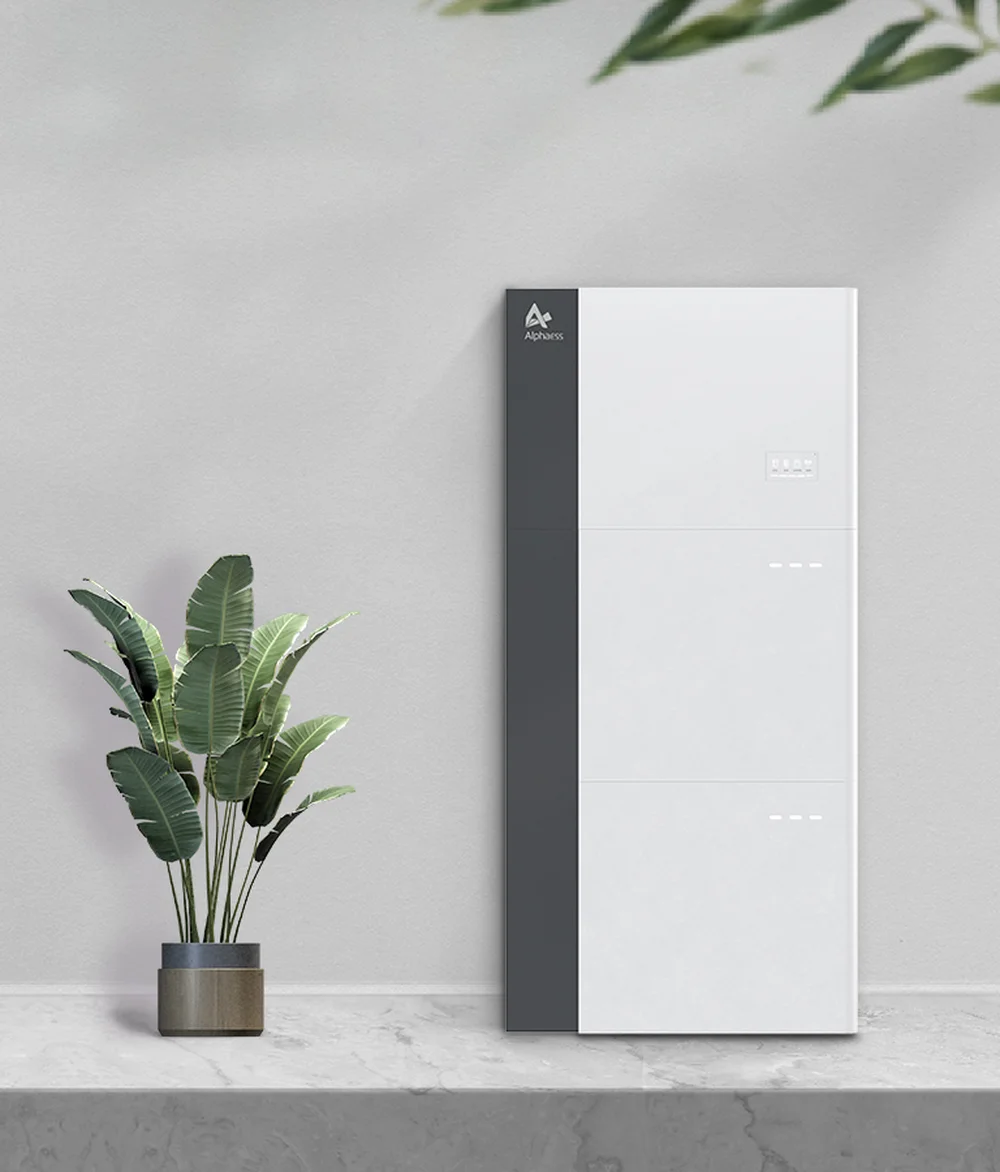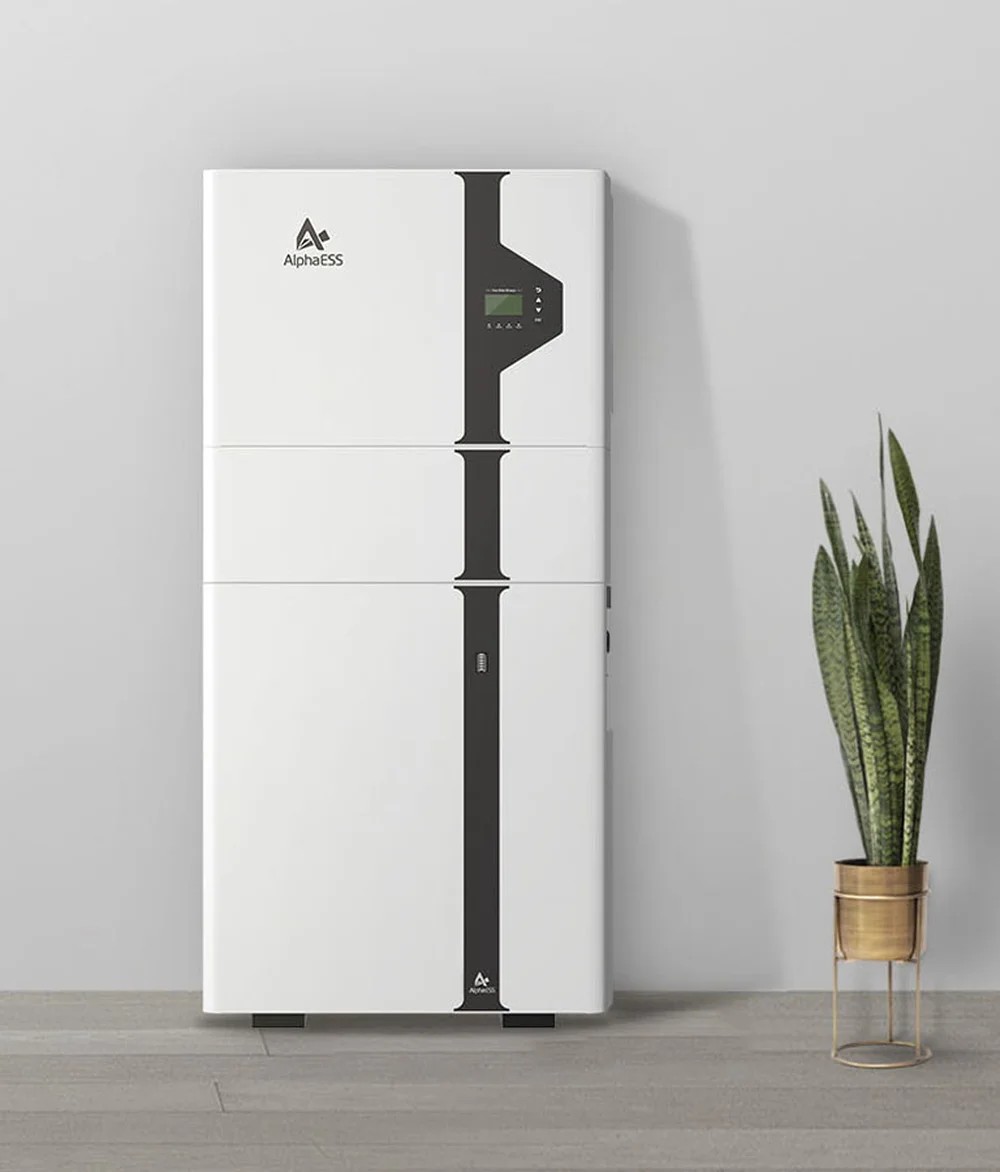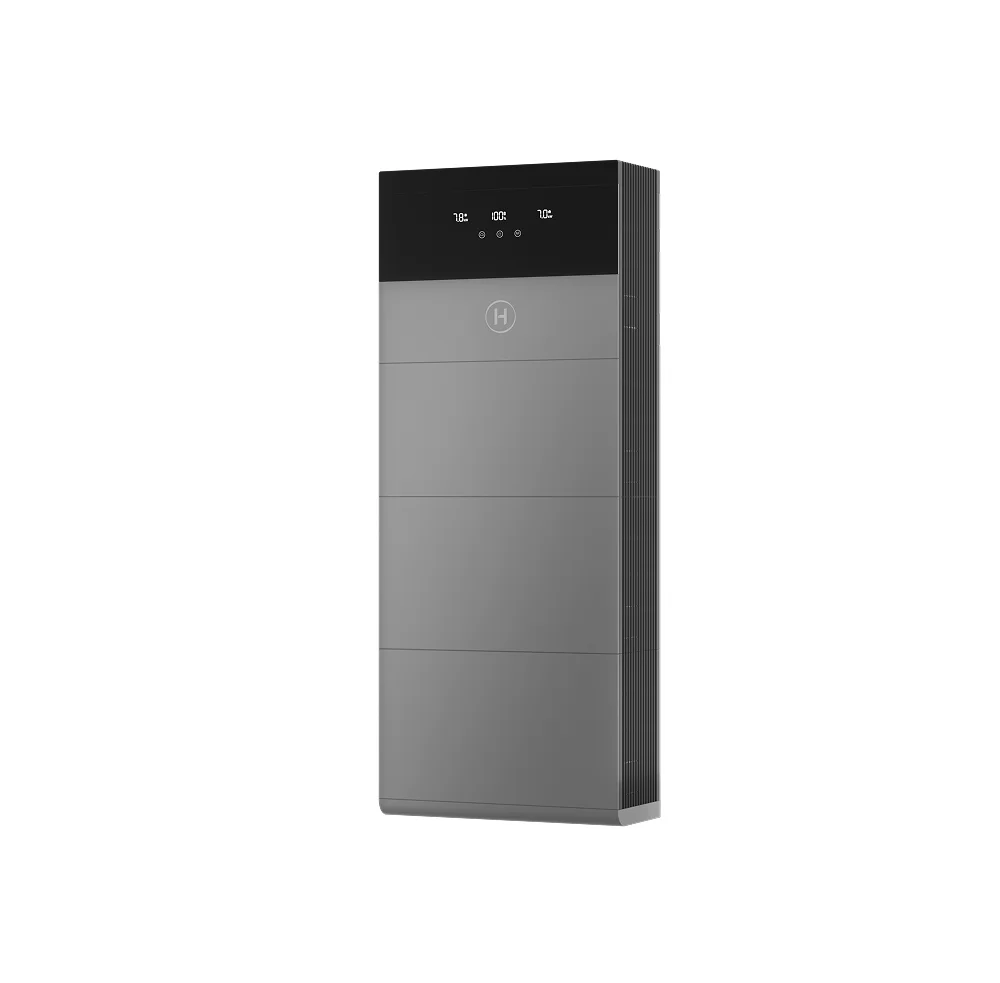
All-in-one
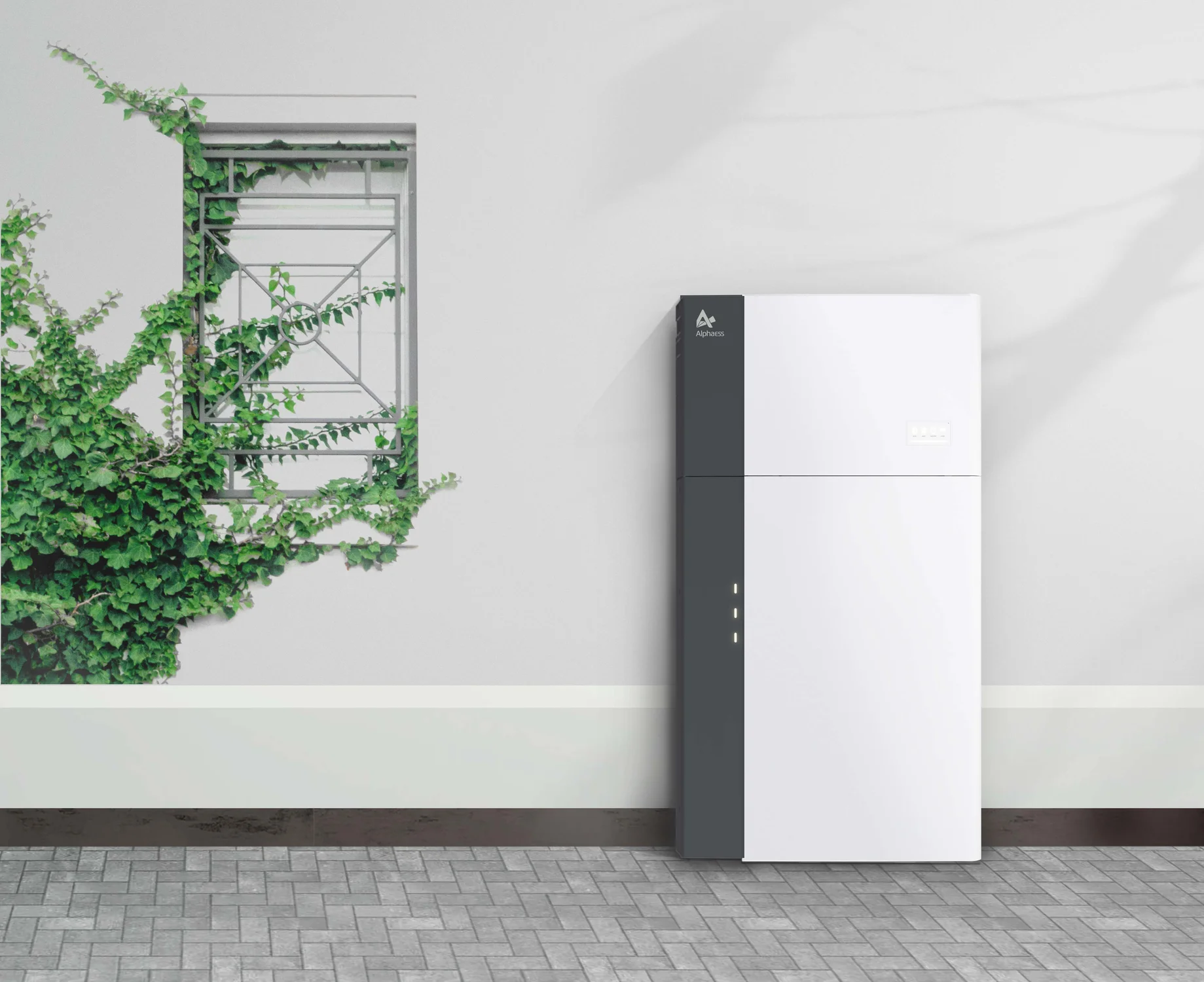
AlphaESS
SMILE-G3
JouleSpecs does not sell and does not show shop prices: check the price where you buy.
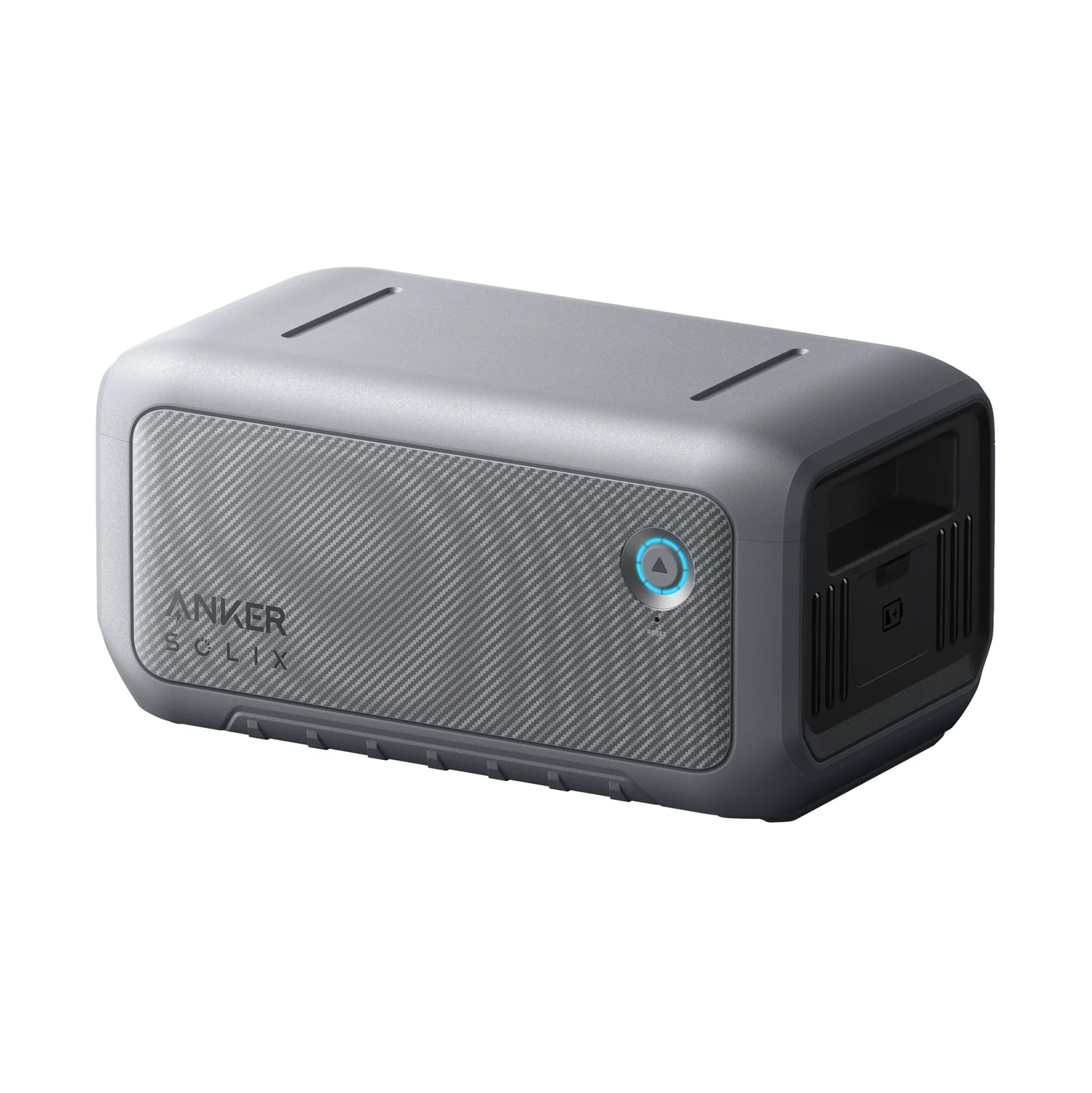
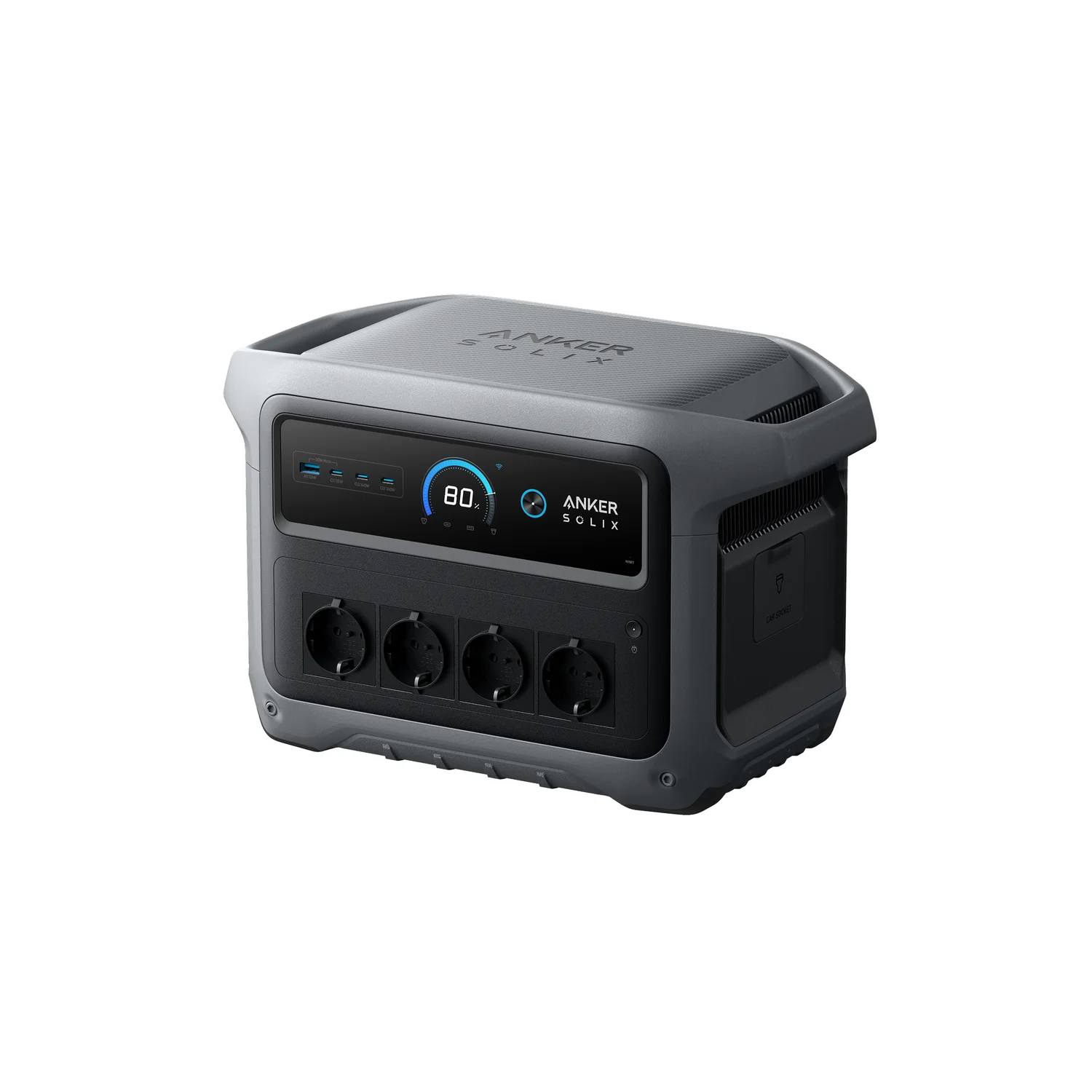
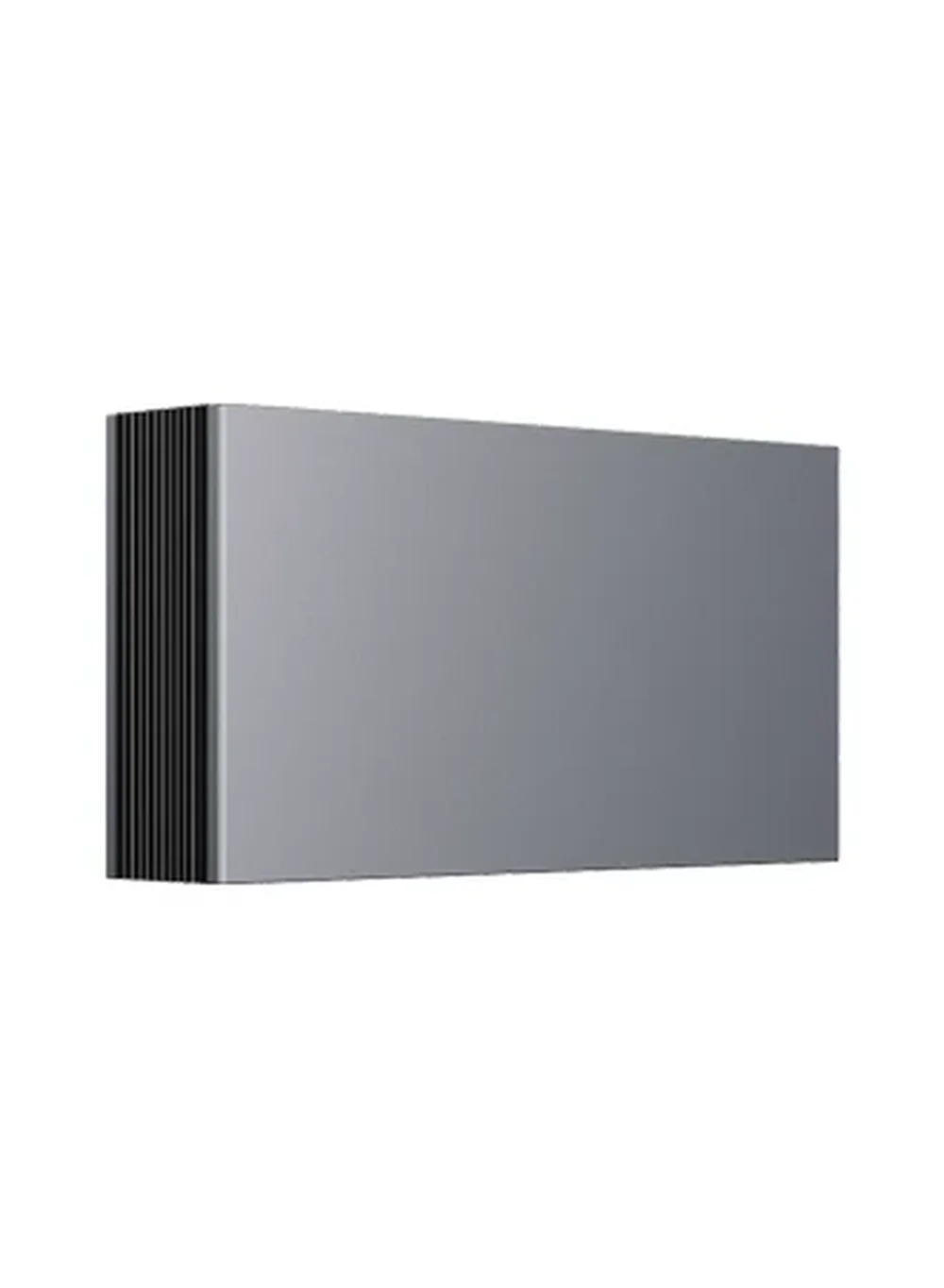
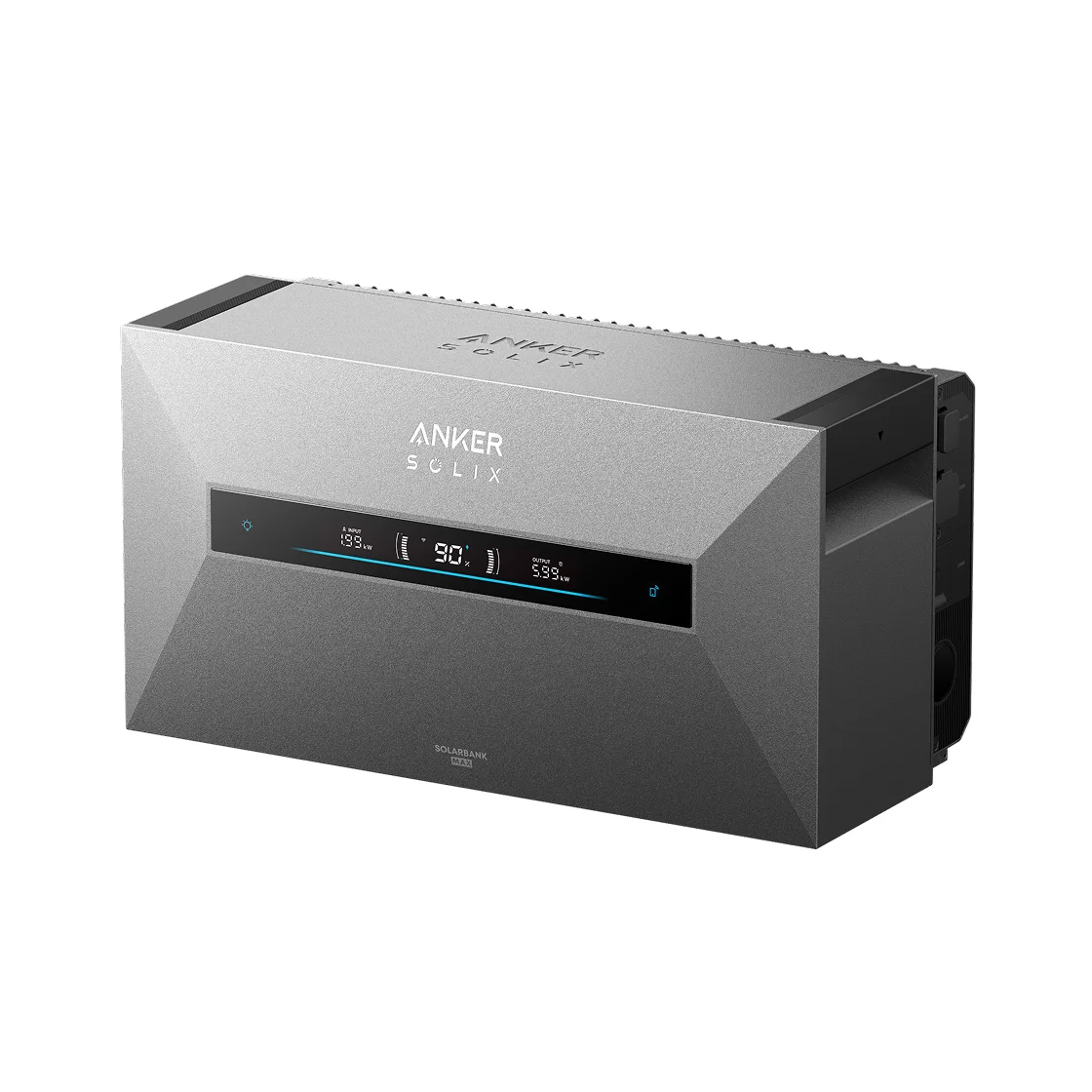
The Anker SOLIX Solarbank Max AC is a residential storage unit in a single body. The base capacity is 7 kWh and it can be extended with up to 5 additional units, up to 42 kWh in total.
As standard the output power is limited; for full power an electrician has to connect it directly to the distribution board. When the power goes out, it switches to the battery in ten milliseconds.
It is installed on the floor, with the mounting base sold separately.
midpoint of the estimated range — on nominal capacity
| Parameter | Value | Source |
|---|---|---|
| Dimensions | 67 × 32.5 × 35.6 cm (26.4 × 12.8 × 14.0 in) | manufacturer website |
| Weight | 73.0 kg (160.9 lb) | manufacturer website |
| Nominal capacity | 7 kWh | Declared by the brand |
| Depth of discharge | 100 % | Declared by the brand |
| Cell chemistry | LFP (lithium iron phosphate) | Declared by the brand |
| Expandable | Yes | Declared by the brand |
| Maximum expanded capacity | 42 kWh | Declared by the brand |
| Battery voltage | 400 V | Declared by the brand |
| Continuous output | 3500 W | Declared by the brand |
| Phases | Single-phase | Declared by the brand |
| Maximum charge power | 3.5 kW | Declared by the brand |
| Backup power | UPS | Declared by the brand |
| Backup phases | Single-phase | Declared by the brand |
| Switchover time | 10 ms | Declared by the brand |
| Grid charging | Yes | Declared by the brand |
| Dynamic tariffs | Built in | Declared by the brand |
| Rated cycles | 10000 cicli | Declared by the brand |
| Warranty | 10 anni | Declared by the brand |
| Ingress protection | IP66 | Declared by the brand |
| Mounting | Floor standing | Declared by the brand |
| Minimum temperature | -20 °C | Declared by the brand |
| Maximum temperature | 55 °C | Declared by the brand |
| Grid connection power | 3.68 kW | Declared by the brand |
| Usable capacity | — | Not declared |
| Cell supplier | — | Not declared |
| Black start | — | Not declared |
| EV charger integration | — | Not declared |
| Heat pump integration | — | Not declared |
| Virtual power plant | — | Not declared |
| Capacity at end of cycle life | — | Not declared |
| Guaranteed throughput | — | Not declared |
| Guaranteed remaining capacity | — | Not declared |
| Round-trip efficiency | — | Not declared |
| Standby consumption | — | Not declared |
| SPI index (HTW Berlin) | — | Not declared |
| HTW test edition | — | Not declared |
| Cell heating | — | Not declared |
| Noise level | — | Not declared |
| Works without internet | — | Not declared |
| Local control | — | Not declared |
| Open protocols | — | Not declared |
| Home Assistant integration | — | Not declared |
| Where the data is hosted | — | Not declared |
| Remote updates | — | Not declared |
| App required for setup | — | Not declared |
| Declared standards | — | Not declared |
| Battery passport | — | Not declared |
| Carbon footprint | — | Not declared |
| Recycled content | — | Not declared |
| Official list price | — | Not declared |
The rest of the data comes from one page on the manufacturer's site, cited row by row in the table above.
A manual or a datasheet counts as a source even when the original file is hosted elsewhere: what matters is the document, not the server. Where that happens, it is stated above.
These numbers are calculated, not stated: they have no source to cite, they have a formula you can redo. The price used is the manufacturer's list price, which is stable and the same in every country — not a shop's price on the day.