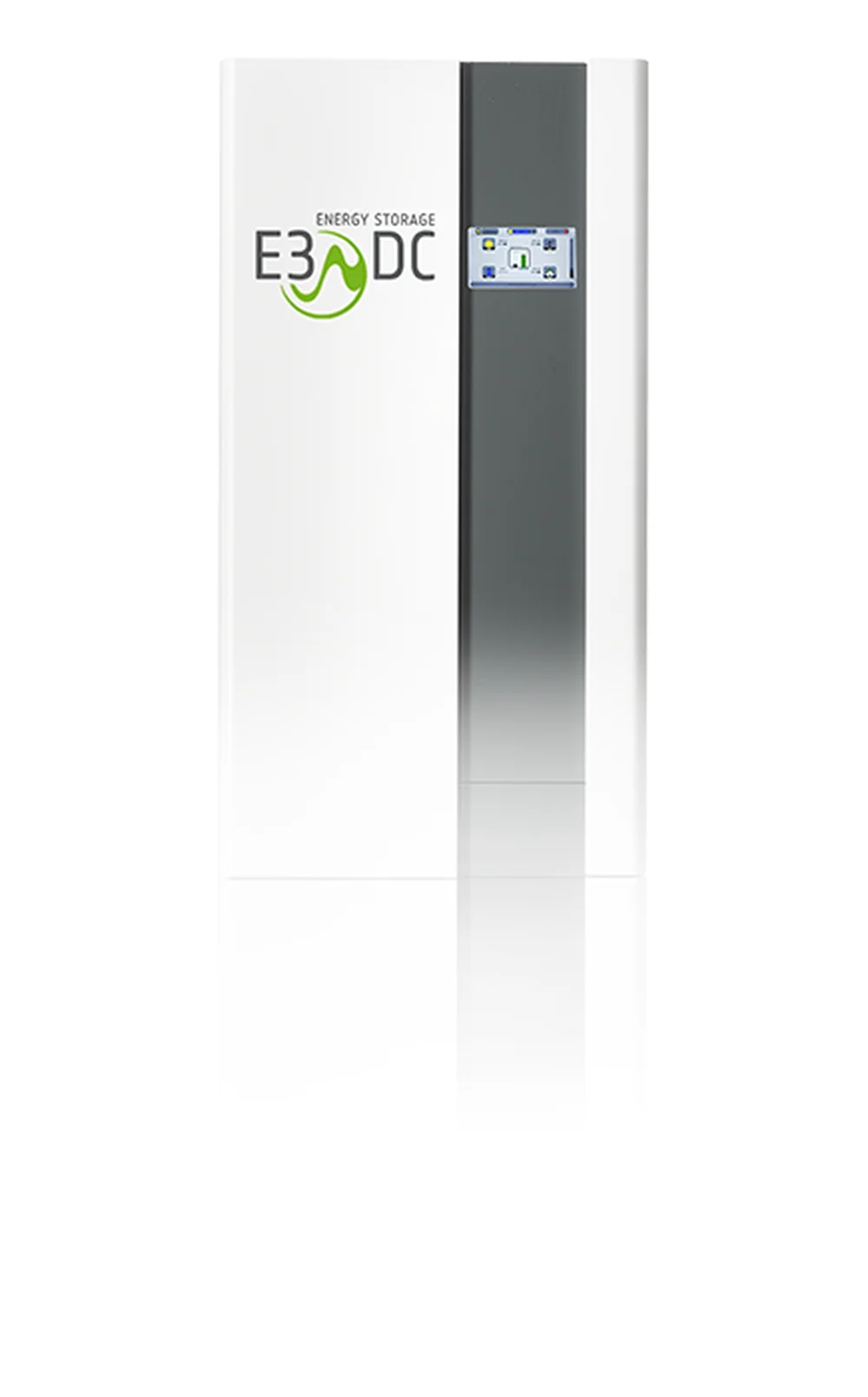
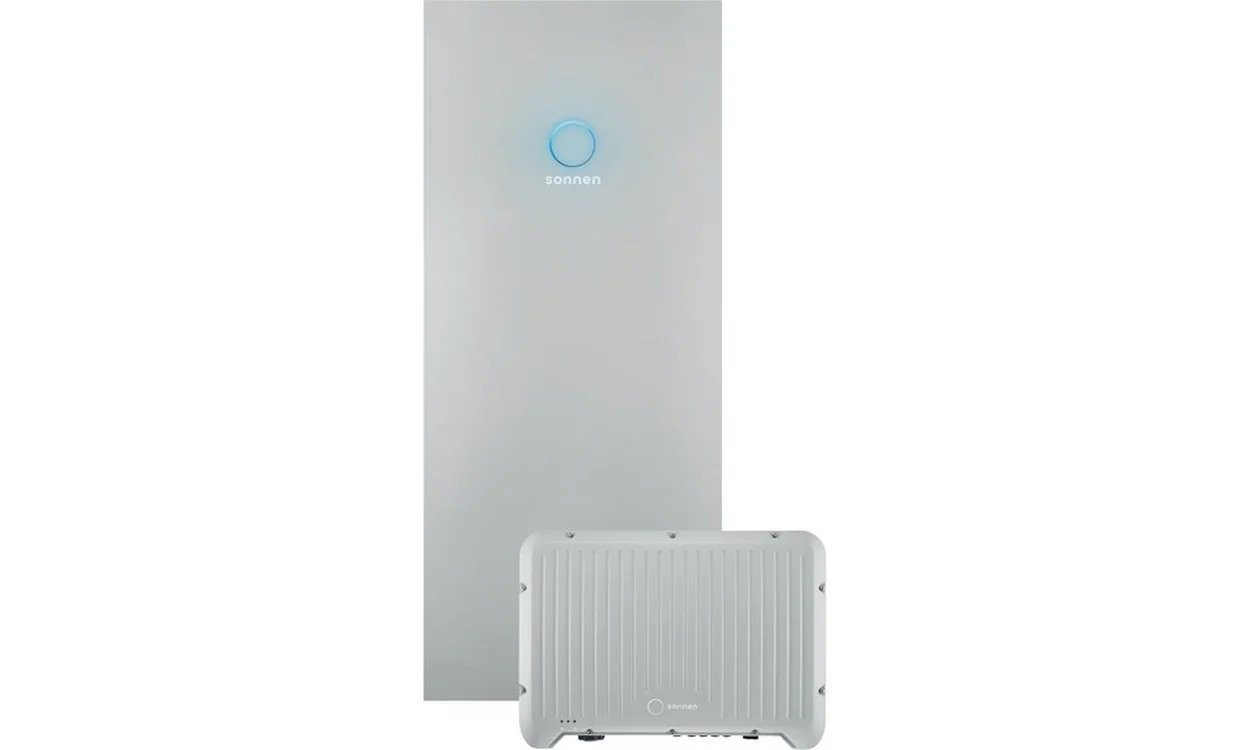
E3/DC S10 X vs sonnenBatterie 10 hybrid
Technical comparison · All-in-one
Both are three-phase with backup on three phases, but at different scales: one for a large house with plenty of power, the other with a modest start that can grow. What matters is how much energy and power you really need.
| Parameter | ||
|---|---|---|
| In brief | ||
| Usable capacity | 17.4 kWh | 5 kWh |
| Continuous output | 12000 W | 2500 W |
| Cell chemistry | LFP (lithium iron phosphate) | LFP (lithium iron phosphate) |
| Weight | 155 kg | — |
| Dimensions (W×D×H) | 61 × 44 × 141 cm | 69 × 36 × 172 cm |
| How long it lasts | ||
| Battery life cycles | 3650 cicli | 3650 cicli |
| The limit that runs out first | anni di garanzia | anni di garanzia |
| Rated cycles | — | 10000 cicli |
| Warranty | 10 anni | 10 anni |
| Guaranteed remaining capacity | 80 % | — |
| The numbers | ||
| Energy density | 112.3 Wh/kg | — |
| Power-to-capacity ratio | 0.69 C | 0.5 C |
| Identity | ||
| Use tier | F4 — House-sized (8–20 kWh) | F3 — Flat-sized (3–8 kWh) |
| Universal specs | ||
| Voltage | 230 V | — |
| Category specs | ||
| Expandable | Yes | Yes |
| Maximum expanded capacity | 20.6 kWh | 25 kWh |
| Phases | Three-phase | Three-phase |
| Maximum charge power | 11 kW | 2.5 kW |
| Backup power | EPS (brief interruption) | EPS (brief interruption) |
| Backup phases | Three-phase | Three-phase |
| Switchover time | — | 5000 ms |
| Grid charging | Yes | — |
| Dynamic tariffs | Built in | — |
| EV charger integration | — | Yes |
| Heat pump integration | Yes | — |
| Ingress protection | IP20 | IP30 |
| Minimum temperature | 5 °C | -5 °C |
| Maximum temperature | 35 °C | 45 °C |
| Noise level | — | 35 dB |
| Works without internet | Fully | — |
| Local control | Modbus | — |
| Open protocols | Modbus TCP, CAN bus, EEBus | — |
| Declared standards | CE, UN 38.3, VDE-AR-N 4105, IEC 62619, VDE 2510-50 | — |
The differences that matter
- 17.4 versus 5 kWh usable → with a constant 1,000 W load, in theory about 17 hours versus about 5 hours, ignoring losses.
- 12 versus 2.5 kW continuous, 11 versus 2.5 kW charging → a large solar system and heavy loads sit comfortably on the first; on the second they saturate it at once.
- Expandable to 20.6 versus 25 kWh → the smaller one, once expanded, can exceed the larger.
Values declared by the manufacturer.
Which one to choose
Choose E3/DC S10 X if…
you have a large house with a sizeable solar system and want to charge at up to 11 kW and draw up to 12 kW. The trade-off: IP20 and a 5 to 35 °C operating range, so only in an indoor, temperate room, at 155 kg and 141 cm tall.
Choose sonnenBatterie 10 hybrid if…
the room is less sheltered, say a garage that drops below 5 °C in winter: it works from −5 to 45 °C at IP30 and can grow with modules up to 25 kWh. The trade-off: it starts from a much lower capacity and power.
Where to buy
The purchase links are the same as on the two product pages and don't influence the verdict. The product pages have the complete data.