sonnenBatterie 10 vs sonnenBatterie 10 hybrid
Technical comparison · All-in-one
Same 5 kWh of usable capacity, same declared cycles and the same 10-year warranty: on paper, the whole difference sits on the electrical side. The sonnenBatterie 10 is single-phase with no emergency power; the hybrid is three-phase and supplies the house in a blackout after a brief pause. All figures are manufacturer-declared.
| Parameter | ||
|---|---|---|
| In brief | ||
| Usable capacity | 5 kWh | 5 kWh |
| Continuous output | 3400 W | 2500 W |
| Cell chemistry | LFP (lithium iron phosphate) | LFP (lithium iron phosphate) |
| Weight | 98 kg | — |
| Dimensions (W×D×H) | 69 × 27 × 172 cm | 69 × 36 × 172 cm |
| How long it lasts | ||
| Battery life cycles | 3650 cicli | 3650 cicli |
| The limit that runs out first | anni di garanzia | anni di garanzia |
| Rated cycles | 10000 cicli | 10000 cicli |
| Warranty | 10 anni | 10 anni |
| The numbers | ||
| Energy density | 51 Wh/kg | — |
| Power-to-capacity ratio | 0.68 C | 0.5 C |
| Identity | ||
| Use tier | F4 — House-sized (8–20 kWh) | F3 — Flat-sized (3–8 kWh) |
| Category specs | ||
| Expandable | Yes | Yes |
| Maximum expanded capacity | 20 kWh | 25 kWh |
| Phases | Single-phase | Three-phase |
| Maximum charge power | 3.4 kW | 2.5 kW |
| Backup power | None | EPS (brief interruption) |
| Backup phases | None | Three-phase |
| Switchover time | — | 5000 ms |
| Grid charging | Yes | — |
| Dynamic tariffs | Built in | — |
| EV charger integration | Yes | Yes |
| Ingress protection | IP30 | IP30 |
| Minimum temperature | -5 °C | -5 °C |
| Maximum temperature | 45 °C | 45 °C |
| Noise level | — | 35 dB |
| Declared standards | VDE-AR-N 4105, CEI 0-21, UN 38.3, IEC 62619, VDE 2510-50 | — |
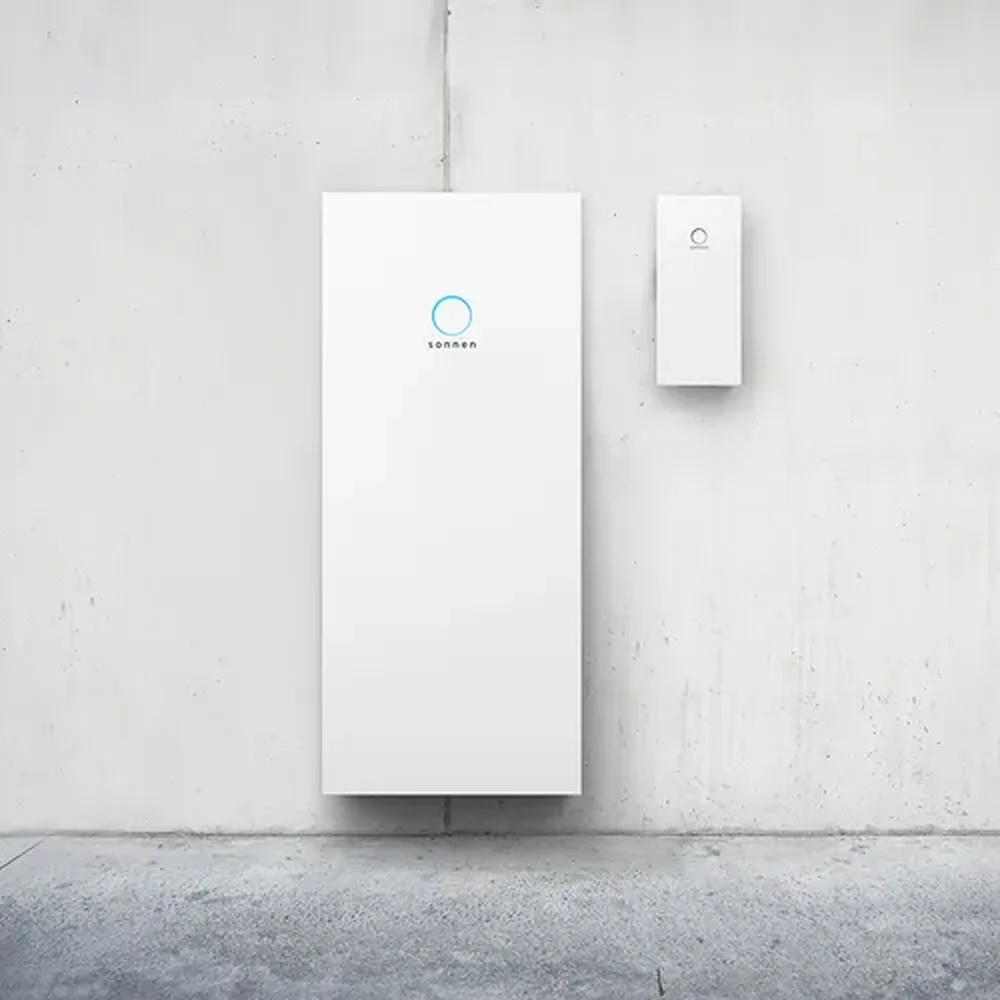
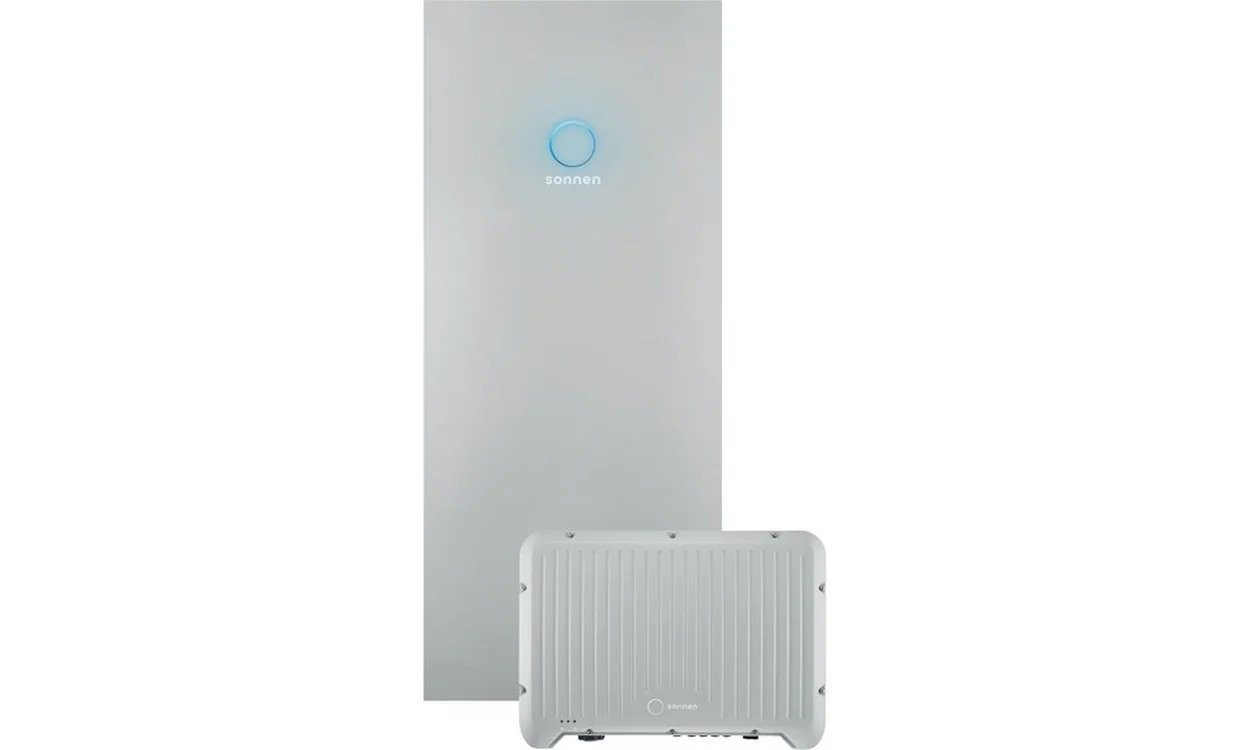
The differences that matter
- Backup power, none vs three-phase EPS → in a blackout only the hybrid supplies the house.
- Phases, single-phase vs three-phase → the sonnenBatterie 10 works on one phase, the hybrid on all three.
- Continuous output, 3400 W vs 2500 W → the sonnenBatterie 10 carries more loads together; maximum charge follows the same ratio (3.4 kW vs 2.5 kW).
- Maximum expanded capacity, 20 kWh vs 25 kWh → the hybrid has more room to grow.
Which one to choose
Choose sonnenBatterie 10 if…
the house is single-phase and a blackout is not the priority: the aim is using in the evening what was stored during the day. It is 27 cm deep against 36. The trade-off is that during a grid outage the battery does not supply the house.
Choose sonnenBatterie 10 hybrid if…
the house is three-phase and you want it to stay supplied in a blackout: the switch happens after a brief pause (EPS) and covers all three phases. The trade-off is less discharge and charge power, and a 36 cm depth.
Where to buy
The purchase links are the same as on the two product pages and don't influence the verdict. The product pages have the complete data.