BYD Battery-Box Premium HVM 8.3 vs RCT Power Battery 5.7
Technical comparison · High voltage
Two high-voltage LFP batteries for anyone who has chosen, or is about to choose, the inverter: the BYD gives 8.28 kWh usable and pairs with sixteen brands, the RCT 5.18 kWh and only RCT Power Storage DC inverters. Values as declared by the manufacturers.
| Parameter | ||
|---|---|---|
| In brief | ||
| Usable capacity | 8.28 kWh | 5.18 kWh |
| Cell chemistry | LFP (lithium iron phosphate) | LFP (lithium iron phosphate) |
| Weight | — | 78 kg |
| Dimensions (W×D×H) | 58.5 × 29.8 × 99.5 cm | 34 × 34 × 83 cm |
| How long it lasts | ||
| Battery life cycles | 3094 cicli | 3650 cicli |
| The limit that runs out first | energia garantita | anni di garanzia |
| Rated cycles | 3650 cicli | — |
| Warranty | 10 anni | 10 anni |
| Guaranteed throughput | 25.62 MWh | — |
| Guaranteed remaining capacity | 60 % | 80 % |
| The numbers | ||
| Energy density | — | 66.4 Wh/kg |
| Identity | ||
| Use tier | F4 — House-sized (8–20 kWh) | F3 — Flat-sized (3–8 kWh) |
| Category specs | ||
| Depth of discharge | 100 % | 90 % |
| Expandable | Yes | Yes |
| Battery voltage | 153.6 V | 230 V |
| Declared compatible inverters | Sedici marchi nell'elenco ufficiale: Fronius, GoodWe, Viessmann, KOSTAL, SMA, Sungrow, GE, KACO, KACO NH, Ingeteam, Solis, Canadian Solar, Deye, Solplanet, Western CO, Sosen. Per ciascun modello l'elenco dà il numero di moduli ammessi e la versione minima del firmware. | RCT Power Storage DC (6.0/8.0/10.0 LAN, 12.0): intervallo di tensione lato batteria 120-600 V dichiarato dall'inverter, entro cui rientra questa taglia (230 V nominali, 180-260 V di range). |
| Round-trip efficiency | 96 % | — |
| Standby consumption | — | 5 W |
| Ingress protection | IP55 | ip42 |
| Mounting | Floor standing | Floor standing |
| Minimum temperature | -10 °C | 5 °C |
| Maximum temperature | 50 °C | 40 °C |
| Works without internet | Fully | — |
| Local control | Local network | None |
| Open protocols | CAN bus | — |
| App required for setup | Yes | — |
| Declared standards | CE, UN 38.3, IEC 62619, VDE 2510-50 | CE, UN 38.3, IEC 62619 |
The differences that matter
- Inverter: sixteen brands on BYD's list versus only RCT Power Storage DC (6.0, 8.0, 10.0 LAN and 12.0) → with the BYD you keep your inverter or choose it later; with the RCT it is already decided.
- Temperature and protection: −10 to 50 °C and IP55 versus 5 to 40 °C and IP42 → the BYD tolerates a cold room, the RCT wants a sheltered indoor one.
- Warranty: 10 years for both, but at the end the BYD guarantees 60% of capacity and the RCT 80% → in theory about 5 kWh against about 4 stay guaranteed: the capacity lead shrinks.
Which one to choose
Choose BYD Battery-Box Premium HVM 8.3 if…
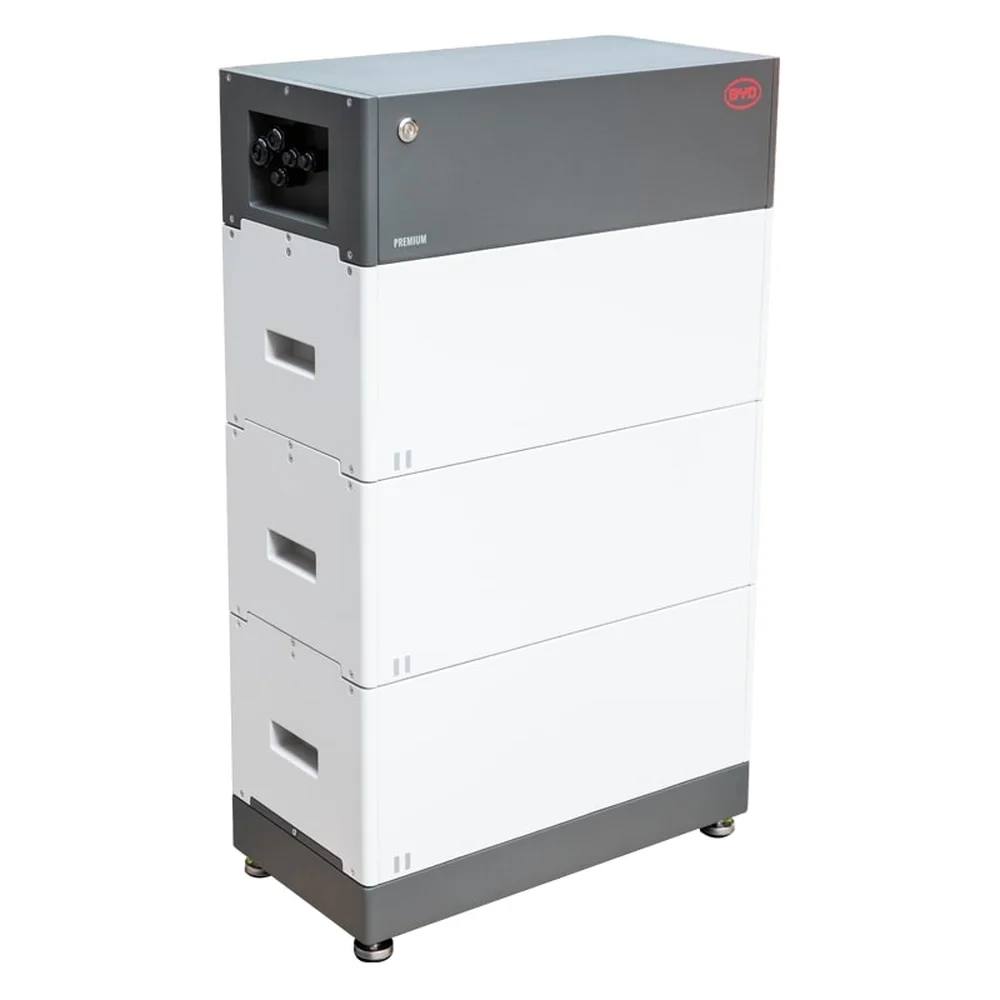
the inverter is from BYD's list, or still to be chosen, and the room can drop below 5 °C in winter: the BYD is rated IP55 and for operation from −10 to 50 °C. It is controlled over the local network and works fully without internet. The trade-off: a footprint of 58.5 × 29.8 cm and a height of 99.5 cm, bulkier on the floor than the RCT.
Choose RCT Power Battery 5.7 if…
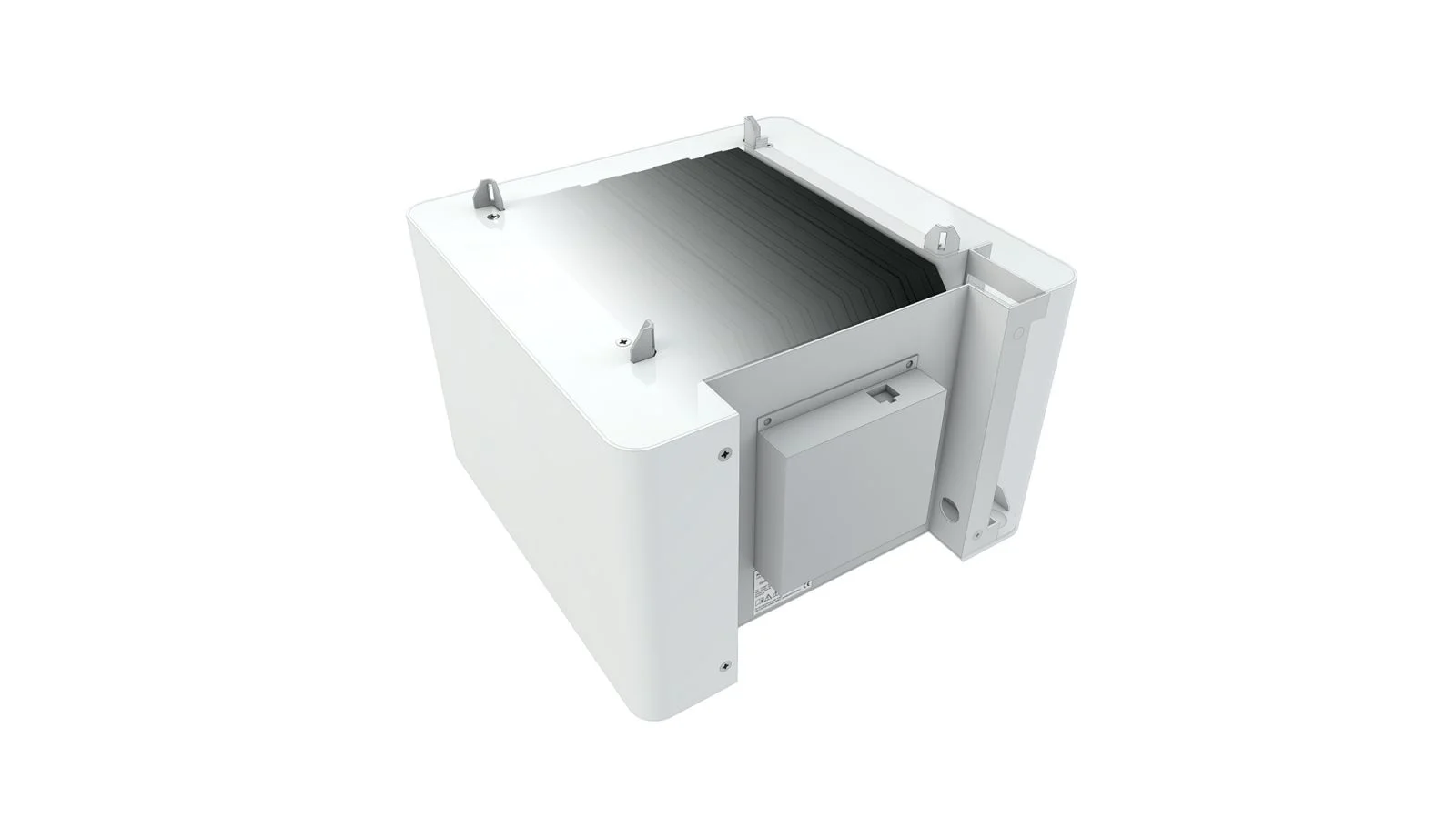
the inverter is already an RCT Power Storage DC and the battery goes in an indoor room between 5 and 40 °C, where the square 34 × 34 cm footprint and the 83 cm height matter. The trade-off: over 3 kWh less usable energy, IP42, no local network control and a single inverter brand.
Where to buy
The purchase links are the same as on the two product pages and don't influence the verdict. The product pages have the complete data.