E3/DC S10 X Compact vs Zendure SolarFlow 4000 Mix Pro
Technical comparison · All-in-one
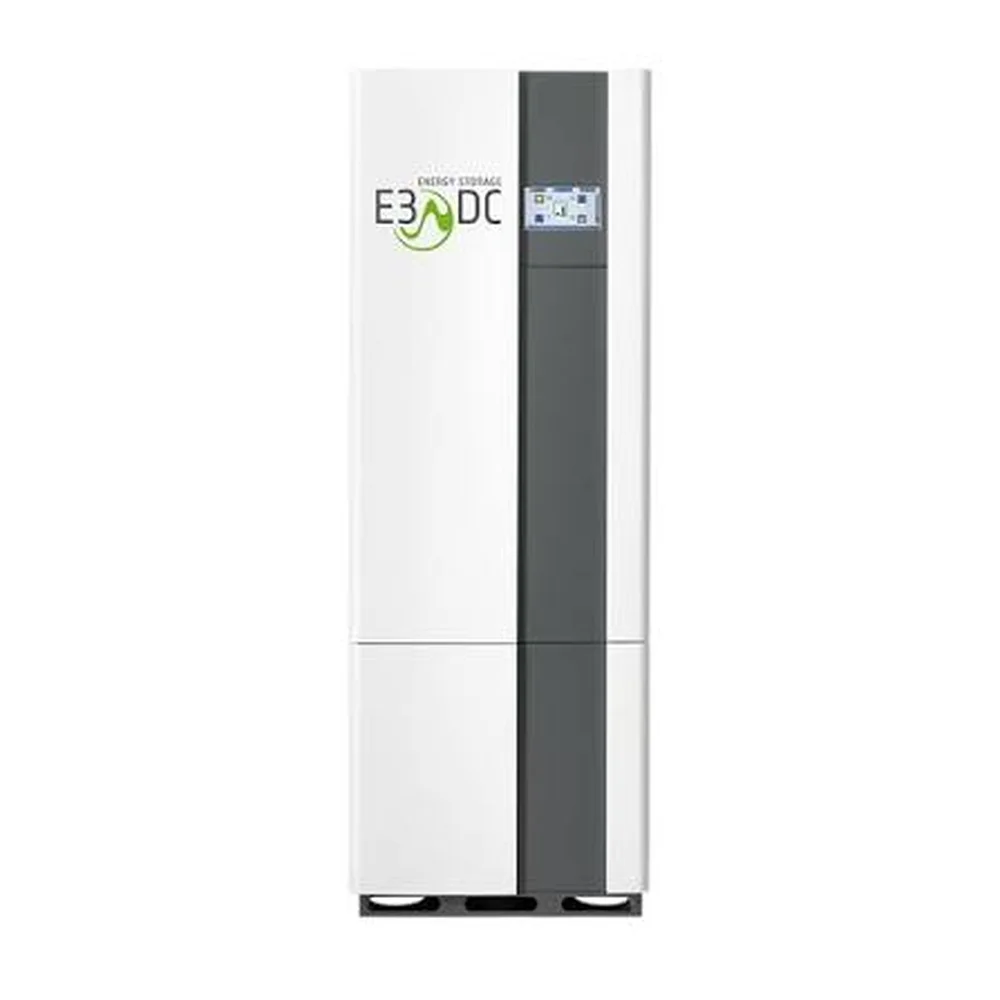
Two home batteries that suit different installations: the S10 X Compact is three-phase and meant for indoor use, the SolarFlow 4000 Mix Pro is single-phase and copes with a harsher environment. The mains supply of the house and the spot where the battery can stand decide it (manufacturer-declared values).
| Parameter | ||
|---|---|---|
| In brief | ||
| Usable capacity | 8.25 kWh | — |
| Continuous output | 12000 W | 3680 W |
| Cell chemistry | LFP (lithium iron phosphate) | — |
| Cost per kWh | — | 450 €/kWh |
| List price | — | 3600 € |
| Weight | 130 kg | 80 kg |
| Dimensions (W×D×H) | 59 × 50 × 120 cm | — |
| How long it lasts | ||
| Battery life cycles | 3650 cicli | 3650 cicli |
| The limit that runs out first | anni di garanzia | anni di garanzia |
| Rated cycles | — | 10000 cicli |
| Capacity at end of cycle life | — | 70 % |
| Warranty | 10 anni | 10 anni |
| Guaranteed remaining capacity | 80 % | — |
| The numbers | ||
| Cost of stored energy | — | 0.137 €/kWh |
| Energy density | 63.5 Wh/kg | 100 Wh/kg |
| Power-to-capacity ratio | 1.45 C | 0.46 C |
| Identity | ||
| Use tier | F4 — House-sized (8–20 kWh) | F3 — Flat-sized (3–8 kWh) |
| Price | ||
| Price | — | 2399 € |
| Universal specs | ||
| Voltage | 230 V | — |
| Category specs | ||
| Expandable | Yes | — |
| Maximum expanded capacity | 11.2 kWh | — |
| Phases | Three-phase | Single-phase |
| Maximum charge power | 6 kW | 4 kW |
| Backup power | EPS (brief interruption) | UPS |
| Backup phases | Three-phase | — |
| Switchover time | — | 10 ms |
| Grid charging | Yes | Yes |
| Dynamic tariffs | Built in | Built in |
| Heat pump integration | Yes | — |
| Round-trip efficiency | — | 90 % |
| Ingress protection | IP20 | IP65 |
| Minimum temperature | 5 °C | -20 °C |
| Maximum temperature | 35 °C | 55 °C |
| Works without internet | Fully | — |
| Local control | Modbus | — |
| Open protocols | Modbus TCP, CAN bus, EEBus | — |
| Declared standards | CE, UN 38.3, VDE-AR-N 4105, IEC 62619, VDE 2510-50 | — |
| Grid connection power | — | 3 kW |

The differences that matter
- Phases and continuous output: three-phase at 12000 W against single-phase at 3680 W → in a three-phase house the first covers all phases, the second only one.
- Backup: EPS with a brief interruption against UPS switching in 10 ms → in an outage the first drops out briefly, the second hands over almost seamlessly.
- Where it can stand: IP20 and 5–35 °C against IP65 and −20 to 55 °C → the first indoors only, the second also in a garage or where it freezes.
- Integration: Modbus TCP, CAN bus and EEBus, fully functional without internet (S10 X Compact) → it ties into a local energy manager without relying on a connection.
Which one to choose
Choose E3/DC S10 X Compact if…
the house has a three-phase connection and you want storage that stays three-phase in backup mode too. If the system includes a heat pump or an energy manager, it speaks Modbus TCP and EEBus and works fully without internet. The trade-off: it needs an indoor room that does not freeze, weighs 130 kg and, when the grid drops, goes through a brief interruption (EPS).
Choose Zendure SolarFlow 4000 Mix Pro if…
the installation is single-phase and the battery has to live in a garage or an unheated room. In a blackout it switches over in 10 ms (UPS), without the pause of the other unit. The trade-off is a single phase and the lower continuous output of the two, so it is not the pick for a three-phase house that wants storage on every phase.
Where to buy
Paid link: the price for you does not change.
As an Amazon Associate I earn from qualifying purchases.
The purchase links are the same as on the two product pages and don't influence the verdict. The product pages have the complete data.