All-in-one
AlphaESS
SMILE-G3


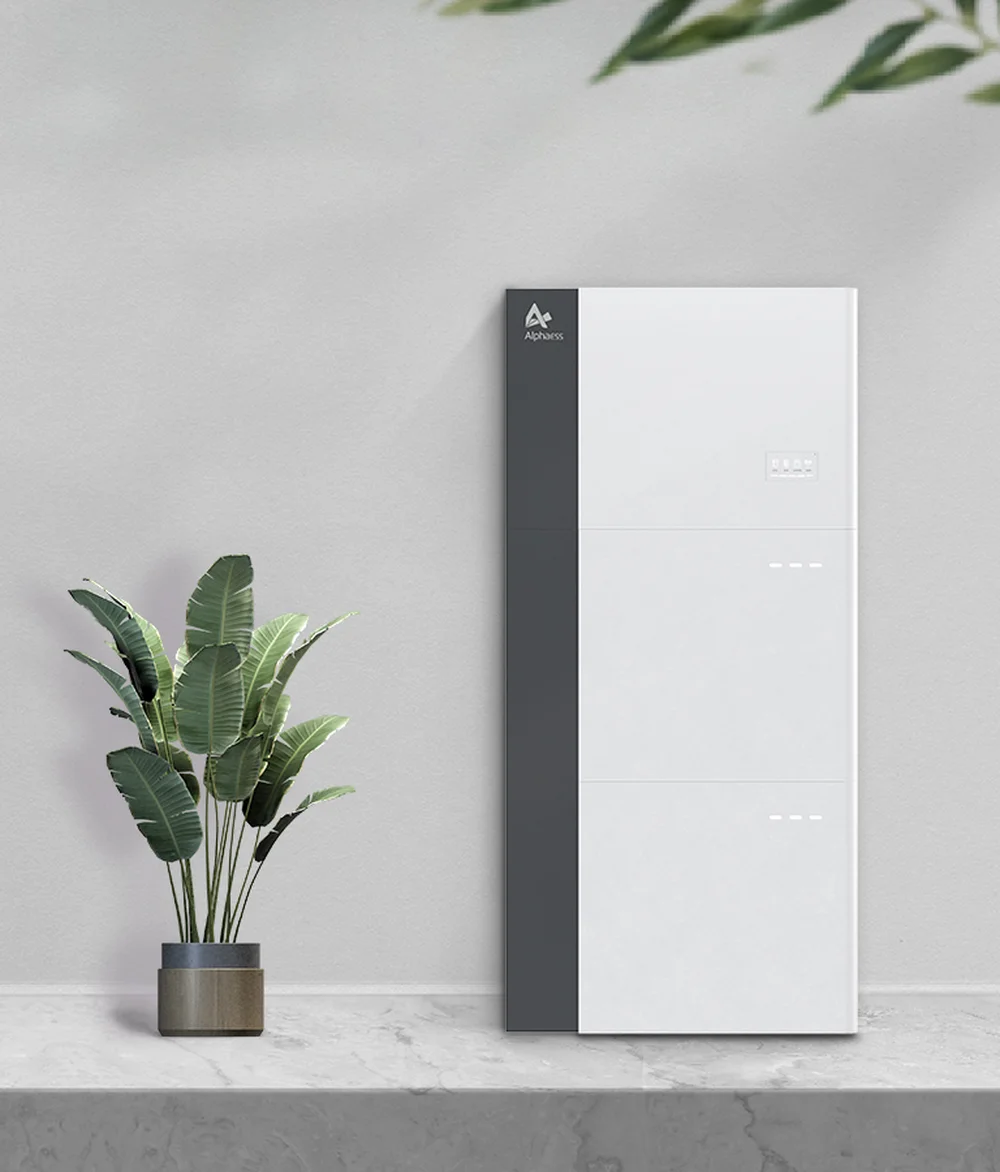
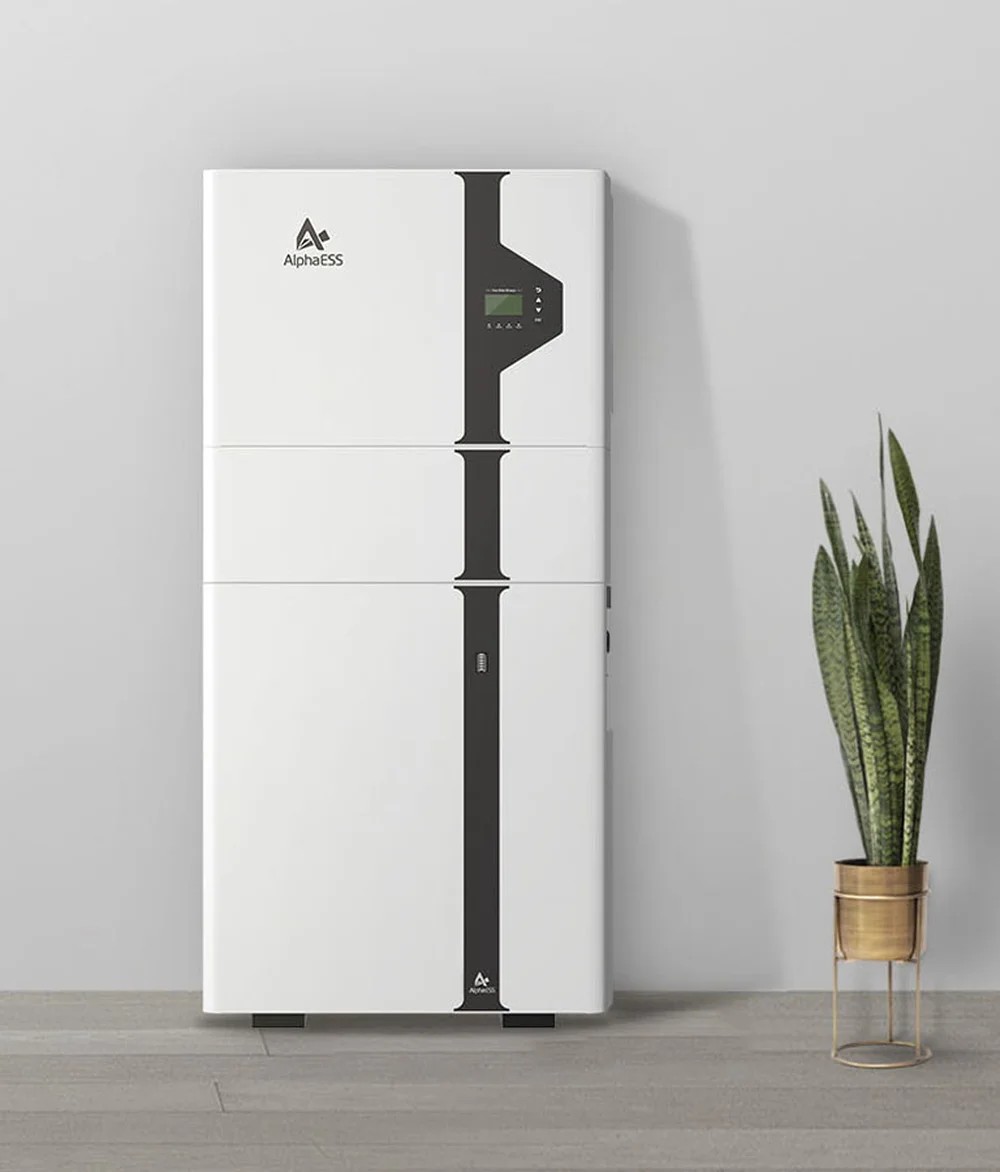
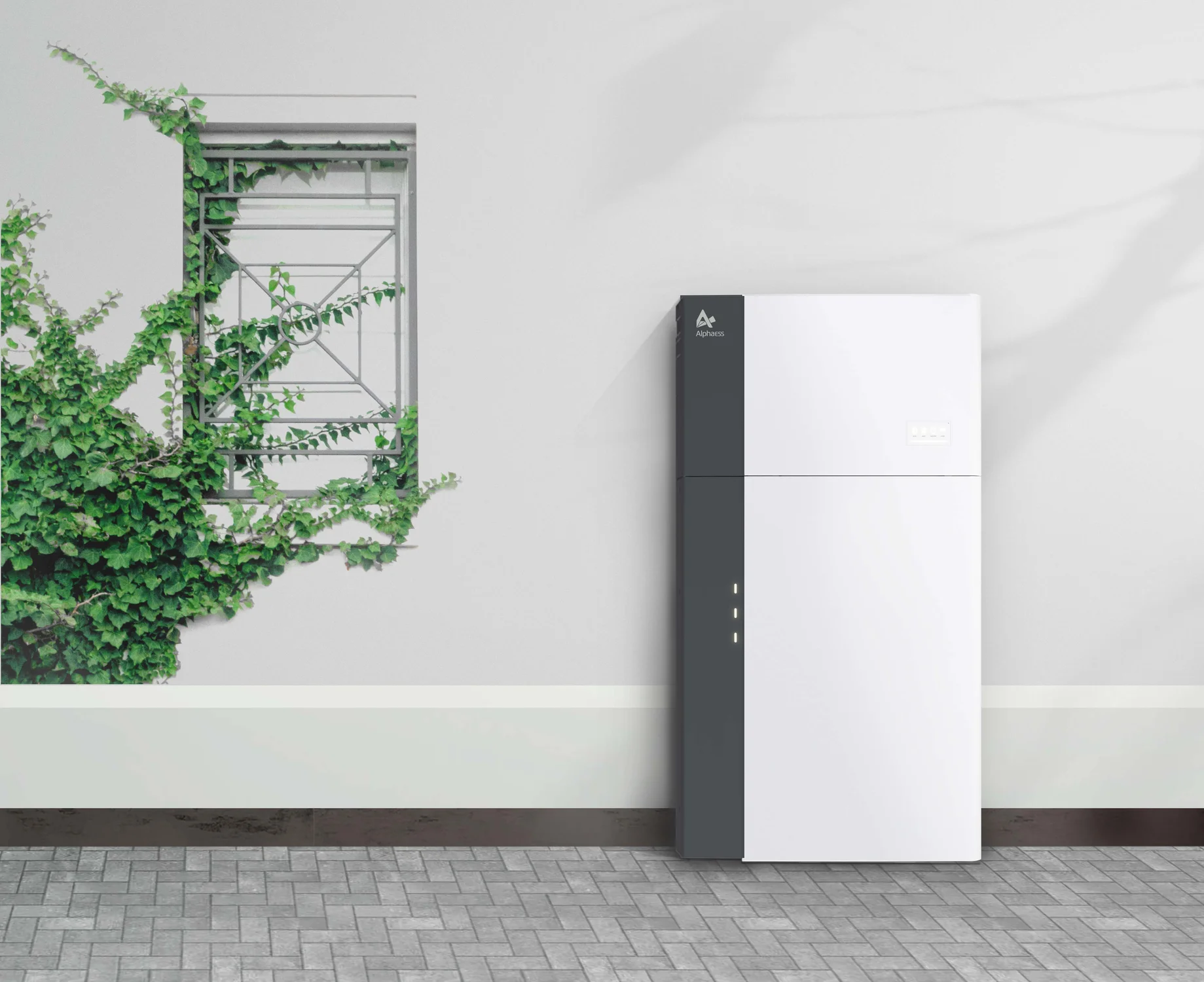
Photo from the manufacturer
JouleSpecs does not sell and does not show shop prices: check the price where you buy.
Where to buy
Check the price on AmazonPaid link: the price for you does not change.
As an Amazon Associate I earn from qualifying purchases.
Zendure SolarFlow 4000 Mix Pro is a storage unit that's added to a rooftop solar system, with two ways to receive its energy: in alternating current from the solar inverter already there, like its siblings in the same series, or directly in direct current from the panels, with its own dual MPPT tracker input built for new systems or for anyone redoing the system from scratch. It can return more energy to the home grid than a system within balcony solar limits does, and that share can be increased by having an electrician hardwire it, within what local regulations allow.
It recognizes a power outage on its own and switches to the battery to power the loads connected to its dedicated emergency outlet, both day and night; if the panels connected directly or through the existing inverter are still producing, they keep charging the battery even while the grid is down. What it powers in an emergency is what's plugged into its dedicated outlet, not the home's system.
It also charges and discharges based on the energy price, when the utility makes it known: it draws from the grid or from the sun during the cheapest hours and returns the stored energy when it costs more. It's heavy, and it moves by pushing it sideways on its wheels. It's built for anyone redoing or expanding a rooftop solar system who wants a single device that accepts both new panels and the inverter they already have; anyone looking for a small balcony storage unit with no rooftop solar system of their own needs a different device, built for that scope.
midpoint of the estimated range — on nominal capacity
| Parameter | Value | Source |
|---|---|---|
| Weight | 80.0 kg (176.4 lb) | manufacturer website |
| Nominal capacity | 8 kWh | Declared by the brand |
| Continuous output | 3680 W | Declared by the brand |
| Phases | Single-phase | Declared by the brand |
| Maximum charge power | 4 kW | Declared by the brand |
| Backup power | UPS | Declared by the brand |
| Switchover time | 10 ms | Declared by the brand |
| Grid charging | Yes | Declared by the brand |
| Dynamic tariffs | Built in | Declared by the brand |
| Rated cycles | 10000 cicli | Declared by the brand |
| Capacity at end of cycle life | 70 % | Declared by the brand |
| Warranty | 10 anni | Declared by the brand |
| Round-trip efficiency | 90 % | Declared by the brand |
| Ingress protection | IP65 | Declared by the brand |
| Minimum temperature | -20 °C | Declared by the brand |
| Maximum temperature | 55 °C | Declared by the brand |
| Grid connection power | 3 kW | Declared by the brand |
| Usable capacity | — | Not declared |
| Depth of discharge | — | Not declared |
| Cell chemistry | — | Not declared |
| Cell supplier | — | Not declared |
| Expandable | — | Not declared |
| Maximum expanded capacity | — | Not declared |
| Battery voltage | — | Not declared |
| Backup phases | — | Not declared |
| Black start | — | Not declared |
| EV charger integration | — | Not declared |
| Heat pump integration | — | Not declared |
| Virtual power plant | — | Not declared |
| Guaranteed throughput | — | Not declared |
| Guaranteed remaining capacity | — | Not declared |
| Standby consumption | — | Not declared |
| SPI index (HTW Berlin) | — | Not declared |
| HTW test edition | — | Not declared |
| Mounting | — | Not declared |
| Cell heating | — | Not declared |
| Noise level | — | Not declared |
| Works without internet | — | Not declared |
| Local control | — | Not declared |
| Open protocols | — | Not declared |
| Home Assistant integration | — | Not declared |
| Where the data is hosted | — | Not declared |
| Remote updates | — | Not declared |
| App required for setup | — | Not declared |
| Declared standards | — | Not declared |
| Battery passport | — | Not declared |
| Carbon footprint | — | Not declared |
| Recycled content | — | Not declared |
These numbers are calculated, not stated: they have no source to cite, they have a formula you can redo. The price used is the manufacturer's list price, which is stable and the same in every country — not a shop's price on the day.