Anker SOLIX BP3800 — Expansion batteries
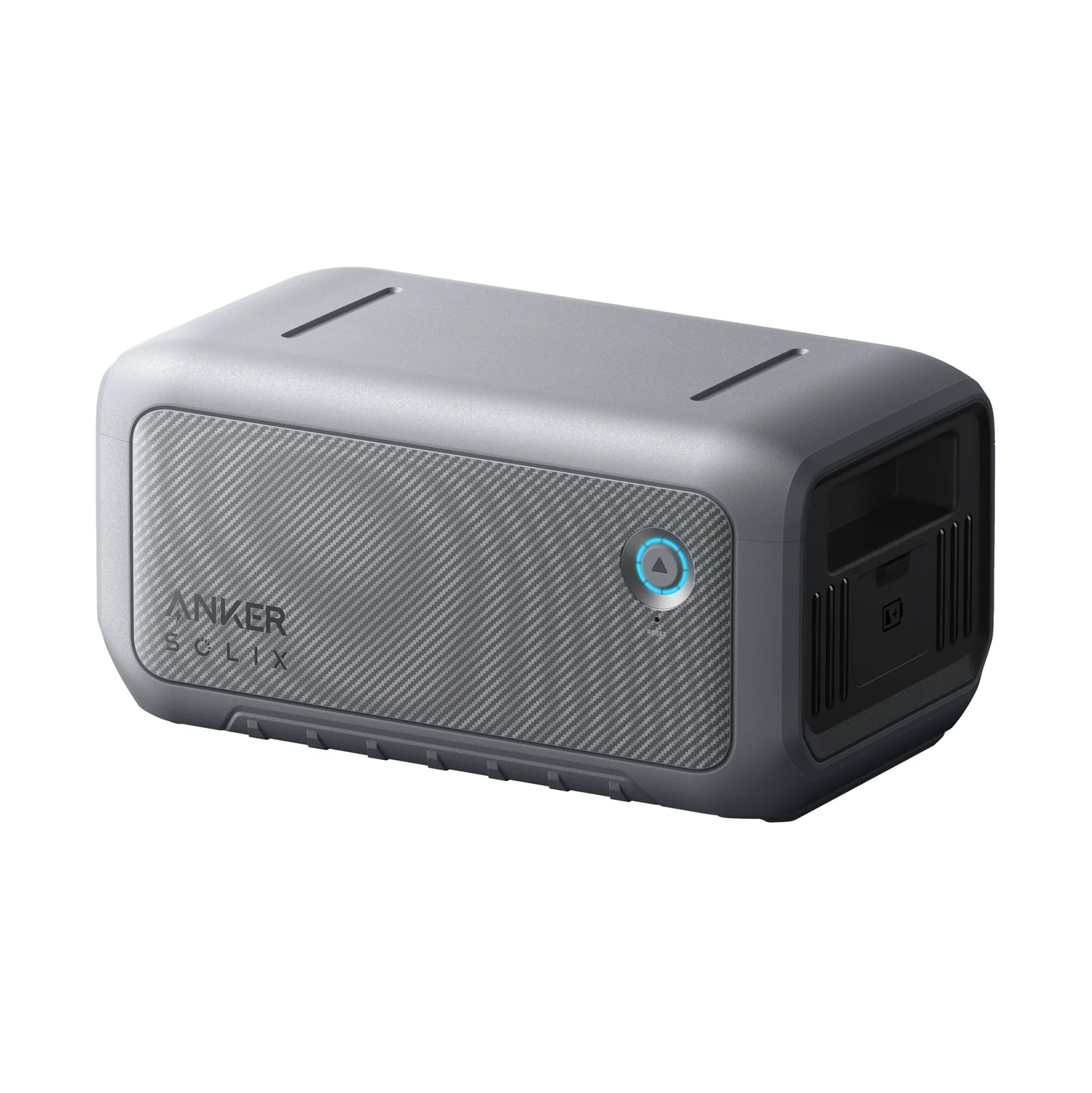
Anker SOLIX BP3800 A1790111-85-20

Photo from the manufacturer

Expansion batteries F3 · Flat-sized (3–8 kWh)

Anker SOLIX BP3800

Estimated price range
1000–2200 € ≈ $1,080–$2,376
An editorial estimate, not a selling price

JouleSpecs does not sell and does not show shop prices: check the price where you buy.

Where to buy

Check the price on Amazon

Paid link: the price for you does not change.

As an Amazon Associate I earn from qualifying purchases.

Sheet on the Anker SOLIX website →
Add to my system
Data from official source

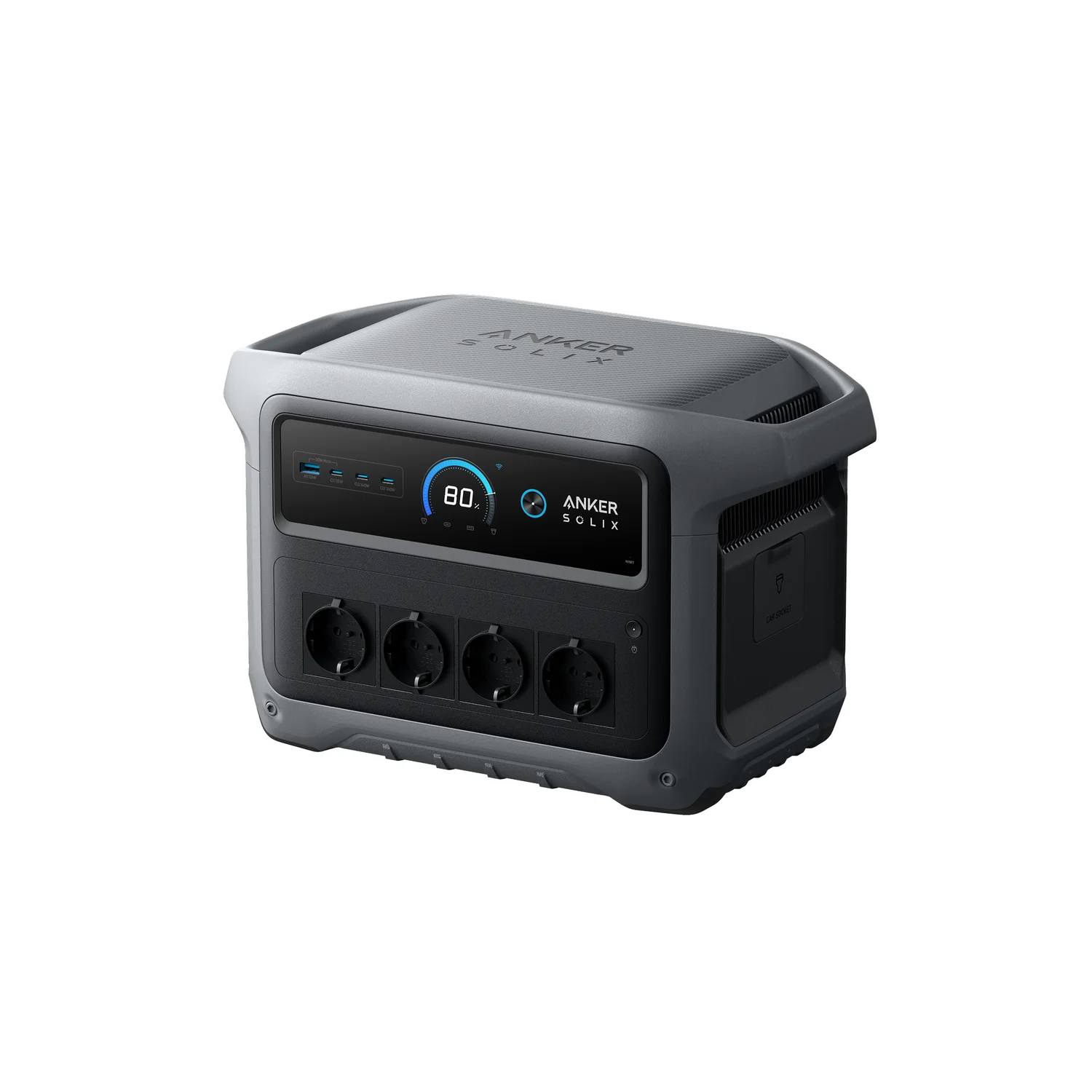
The Anker SOLIX BP3800 is a lithium iron phosphate battery module with a single purpose: to sit alongside an F3800 portable power station and grow its reserve. On its own it doesn't work — it charges and discharges only while connected to the power station, which also shows its status in the app.

Each module doubles the energy of the unit it's attached to, and up to six can be connected: from there on, the limit is no longer the battery, but the space you have to put them in.

It sits next to the power station, connected by cable, and has no use of its own: it's extra capacity for anyone who already keeps an F3800 as a home reserve, not a standalone appliance.

01 · Verified data

Technical specifications

Cell chemistry LFP (lithium iron phosphate)
Cost per kWh 702,86 €/kWh

official manufacturer list price — on nominal capacity

Round-trip efficiency Anker SOLIX does not state it.

where we looked

Standby consumption Anker SOLIX does not state it.

where we looked

Parameter Value Source
Weight 33.0 kg (72.8 lb) manufacturer website
Compatible models Anker SOLIX F3800 Declared by the brand
Nominal capacity 3.84 kWh Declared by the brand
Cell chemistry LFP (lithium iron phosphate) Declared by the brand
Maximum expanded capacity 26.88 kWh Declared by the brand
Warranty 5 anni Declared by the brand
Official list price 2699 € Declared by the brand
Usable capacity — Not declared
Depth of discharge — Not declared
Cell supplier — Not declared
Expandable — Not declared
Rated cycles — Not declared
Capacity at end of cycle life — Not declared
Guaranteed throughput — Not declared
Guaranteed remaining capacity — Not declared
Round-trip efficiency — Not declared
Standby consumption — Not declared
Ingress protection — Not declared
Mounting — Not declared
Minimum temperature — Not declared
Maximum temperature — Not declared
Cell heating — Not declared
Noise level — Not declared
Wheels and handle — Not declared
Works without internet — Not declared
Local control — Not declared
Open protocols — Not declared
Home Assistant integration — Not declared
Where the data is hosted — Not declared
Remote updates — Not declared
App required for setup — Not declared
Declared standards — Not declared
02 · The numbers

What it really costs

Cost per kWh 702.860 €/kWh official manufacturer list price — on nominal capacity
How we worked it out
price
2699
nominal capacity
3.840
Battery life cycles 1825 cycles warranty years
  • the manufacturer does not state the guaranteed total energy throughput, which for heavy users is often the limit that runs out first
How we worked it out
warranty years
1825
Cost of stored energy 0.385 €/kWh warranty years
  • the manufacturer does not state the guaranteed total energy throughput, which for heavy users is often the limit that runs out first
  • on nominal capacity: the manufacturer does not state the usable figure, so the real cost is higher
  • without conversion losses, which the manufacturer does not state: the real cost is higher
How we worked it out
price
2699
nominal capacity
3.840
battery life cycles
1825
round-trip efficiency
100
energy delivered over the whole life
7008
Energy density 116.400 Wh/kg
  • on nominal capacity: the manufacturer does not state the usable figure, so the true number is lower
How we worked it out
nominal capacity
3.840
weight
33

These numbers are calculated, not stated: they have no source to cite, they have a formula you can redo. The price used is the manufacturer's list price, which is stable and the same in every country — not a shop's price on the day.

03 · Summary

Pros and cons

In favour

  • Each module doubles the reserve of the power station it's connected to. source
  • Up to six modules in a row: system capacity reaches almost twenty-seven kilowatt-hours.
  • The charge level reads from the power station, without needing to check the module itself.
  • Coverage doesn't depend on registering the product: it applies in full from the day of purchase.

Worth knowing

  • It doesn't work on its own: the power station must always be connected, both to charge it and to use it. source
  • Thirty-three kilos: it takes two people to position it, and once placed, it stays put. source
If not this one

Alternatives in the catalogue

Chosen by the declared use tier and footprint, not by price: we don't publish prices.

Updates to this sheet and Manufacturer Notes
  1. Specifications updated: nome
  2. Price updated