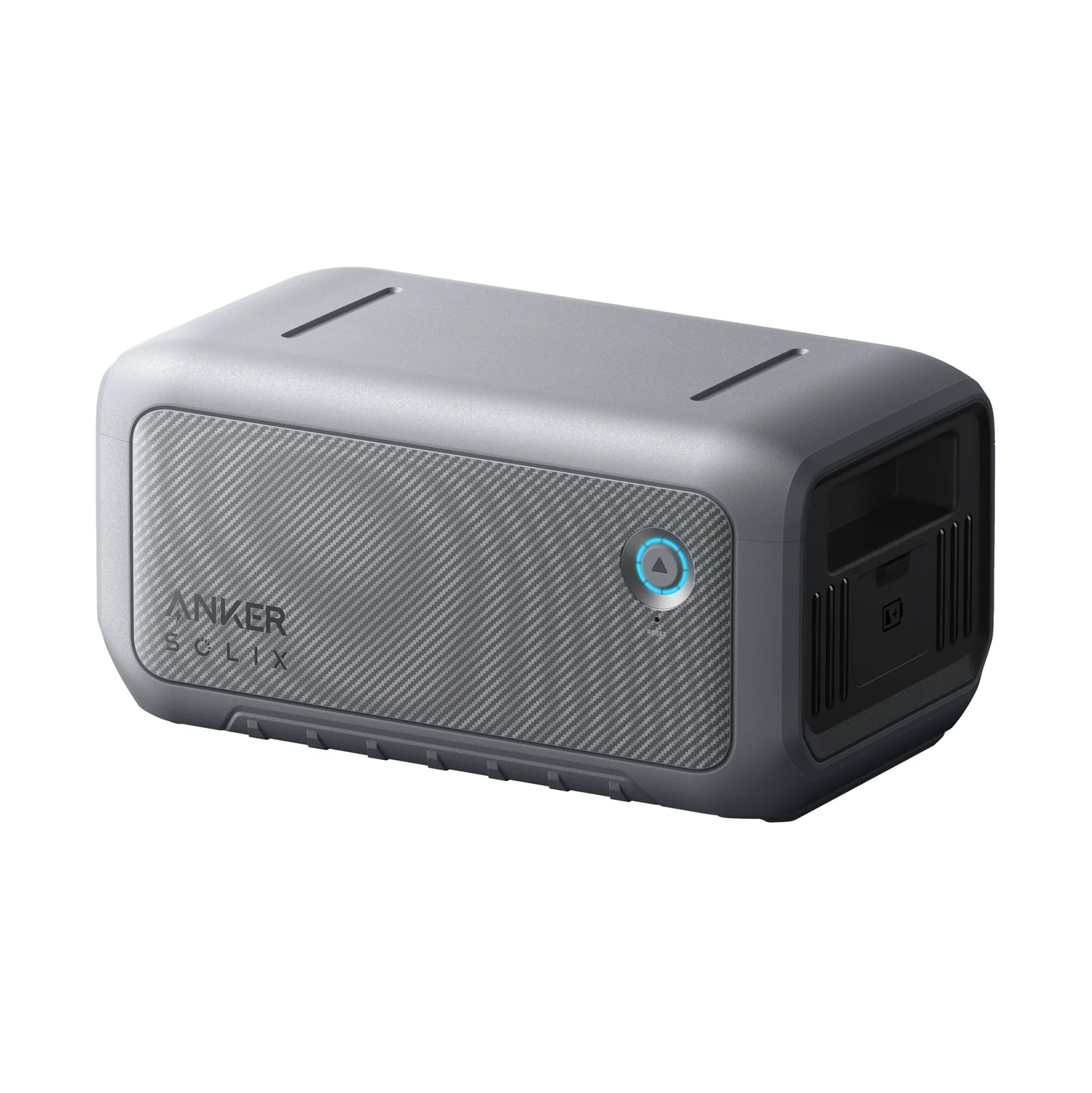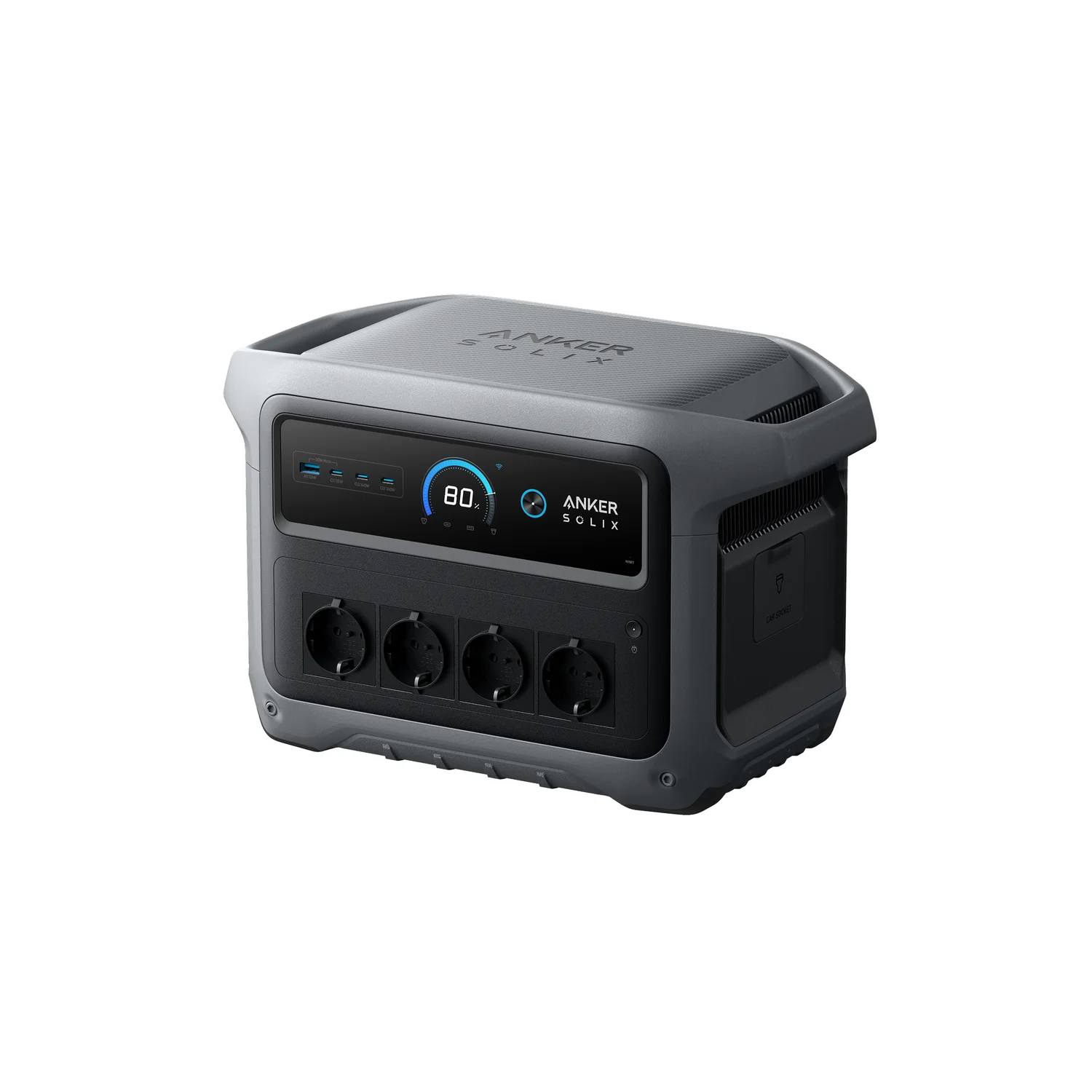
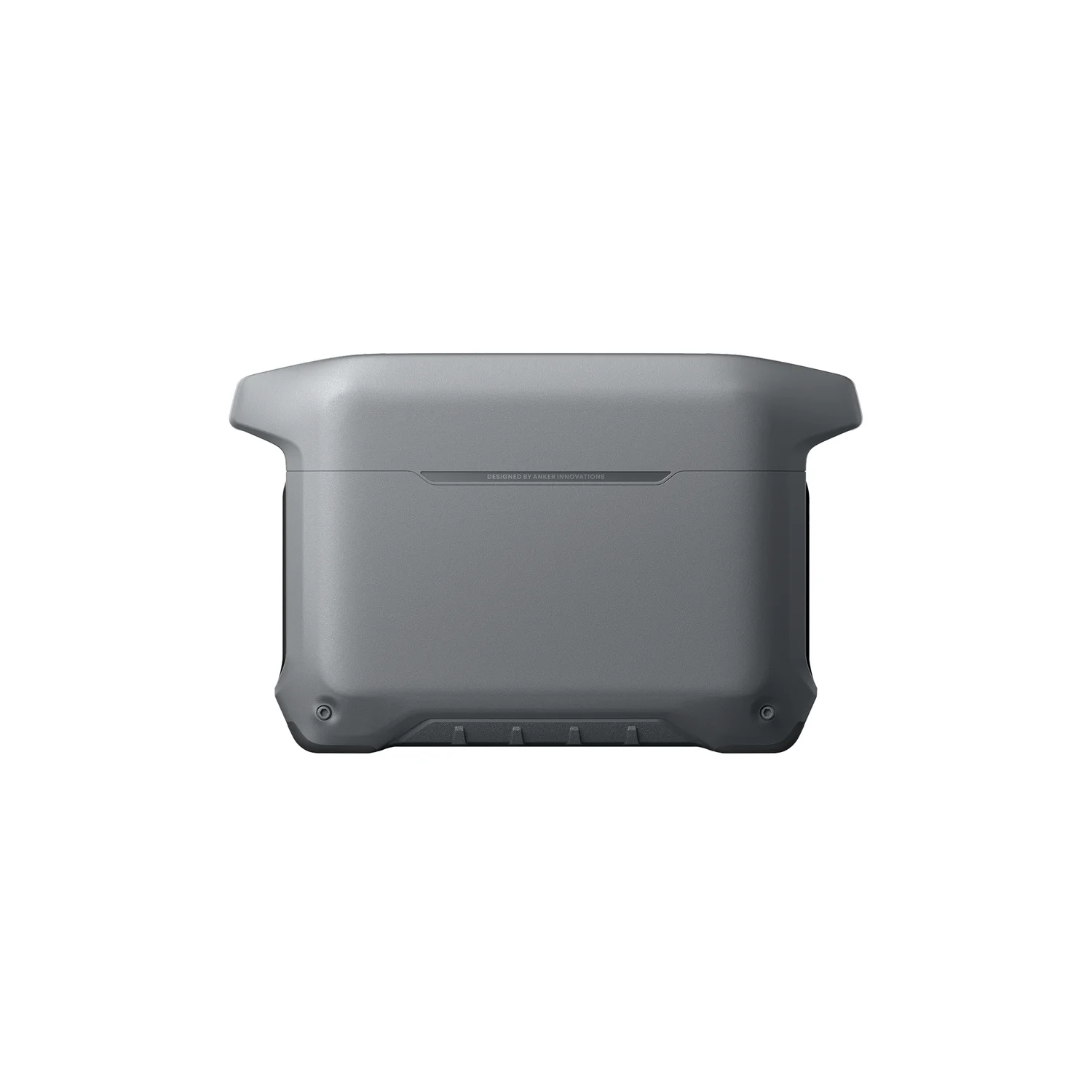
Anker SOLIX C1000 Gen 2
JouleSpecs does not sell and does not show shop prices: check the price where you buy.
The Anker SOLIX C1000 Gen 2 is a power station for home and travel that, connected to the outlet, switches to the battery in ten milliseconds when the power goes out: the computer doesn't notice. The battery is lithium iron phosphate, and reaches 4000 charge cycles while retaining at least 80% of its original capacity.
It isn't expandable: the reserve stays the one it starts with. It charges from the outlet in under an hour and from the sun with portable panels. It withstands discharge from -20 to 40 degrees.
It's for anyone who wants a reserve for a fridge, router and a few lights during a power outage, or for a weekend off the grid. It's not for anyone who needs to cover an entire electrical panel, nor for anyone who wants to add capacity later.
Technical specifications
| Parameter | Value | Source |
|---|---|---|
| Weight | 11.3 kg (24.9 lb) | manufacturer website |
| Power supply | 220-240 V / 50-60 Hz | manufacturer website |
| Nominal capacity | 1.024 kWh | Declared by the brand |
| Cell chemistry | LFP (lithium iron phosphate) | Declared by the brand |
| Expandable | No | Declared by the brand |
| Maximum charge power | 1.6 kW | Declared by the brand |
| Maximum solar input | 600 W | Declared by the brand |
| Backup power | UPS | Declared by the brand |
| Switchover time | 10 ms | Declared by the brand |
| Rated cycles | 4000 cicli | Declared by the brand |
| Capacity at end of cycle life | 80 % | Declared by the brand |
| Warranty | 5 anni | Declared by the brand |
| Mounting | Portable | Declared by the brand |
| Minimum temperature | -20 °C | Declared by the brand |
| Maximum temperature | 40 °C | Declared by the brand |
| Usable capacity | — | Not declared |
| Depth of discharge | — | Not declared |
| Cell supplier | — | Not declared |
| Maximum expanded capacity | — | Not declared |
| Continuous output | — | Not declared |
| Peak output | — | Not declared |
| Peak duration | — | Not declared |
| AC outlets | — | Not declared |
| Fastest USB-C | — | Not declared |
| USB-A ports | — | Not declared |
| USB-C ports | — | Not declared |
| 12 V outputs | — | Not declared |
| 24 V outputs | — | Not declared |
| 0–80% charge time | — | Not declared |
| Guaranteed throughput | — | Not declared |
| Guaranteed remaining capacity | — | Not declared |
| Round-trip efficiency | — | Not declared |
| Standby consumption | — | Not declared |
| Ingress protection | — | Not declared |
| Cell heating | — | Not declared |
| Noise level | — | Not declared |
| Wheels and handle | — | Not declared |
| Works without internet | — | Not declared |
| Local control | — | Not declared |
| Open protocols | — | Not declared |
| Home Assistant integration | — | Not declared |
| Where the data is hosted | — | Not declared |
| Remote updates | — | Not declared |
| App required for setup | — | Not declared |
| Declared standards | — | Not declared |
| Official list price | — | Not declared |
Which documents this page rests on
The rest of the data comes from one page on the manufacturer's site, cited row by row in the table above.
A manual or a datasheet counts as a source even when the original file is hosted elsewhere: what matters is the document, not the server. Where that happens, it is stated above.
What it really costs
- the manufacturer does not state the guaranteed total energy throughput, which for heavy users is often the limit that runs out first
How we worked it out
- stated cycles
- 4000
- warranty years
- 1825
- on nominal capacity: the manufacturer does not state the usable figure, so the true number is lower
How we worked it out
- nominal capacity
- 1.024
- weight
- 11.300
These numbers are calculated, not stated: they have no source to cite, they have a formula you can redo. The price used is the manufacturer's list price, which is stable and the same in every country — not a shop's price on the day.
Pros and cons
In favour
- When the power goes out, the computer doesn't notice.
- It also charges from the sun, with portable panels.
- From the outlet it's back to full in under an hour.
- It reaches 4000 charge cycles while retaining at least 80% of its original capacity.
Worth knowing
- It isn't expandable: the reserve is fixed, and for more you need a different unit.
- The base capacity is 1.024 kWh: for heavy use or several days in a row it isn't enough.
- Charging works only from 0 to 40 degrees: in winter, below freezing, it won't take a charge.
Similar products worth weighing up
Updates to this sheet and Manufacturer Notes
-
Sheet published Specifications updated: nome