Expansion modules
Anker SOLIX
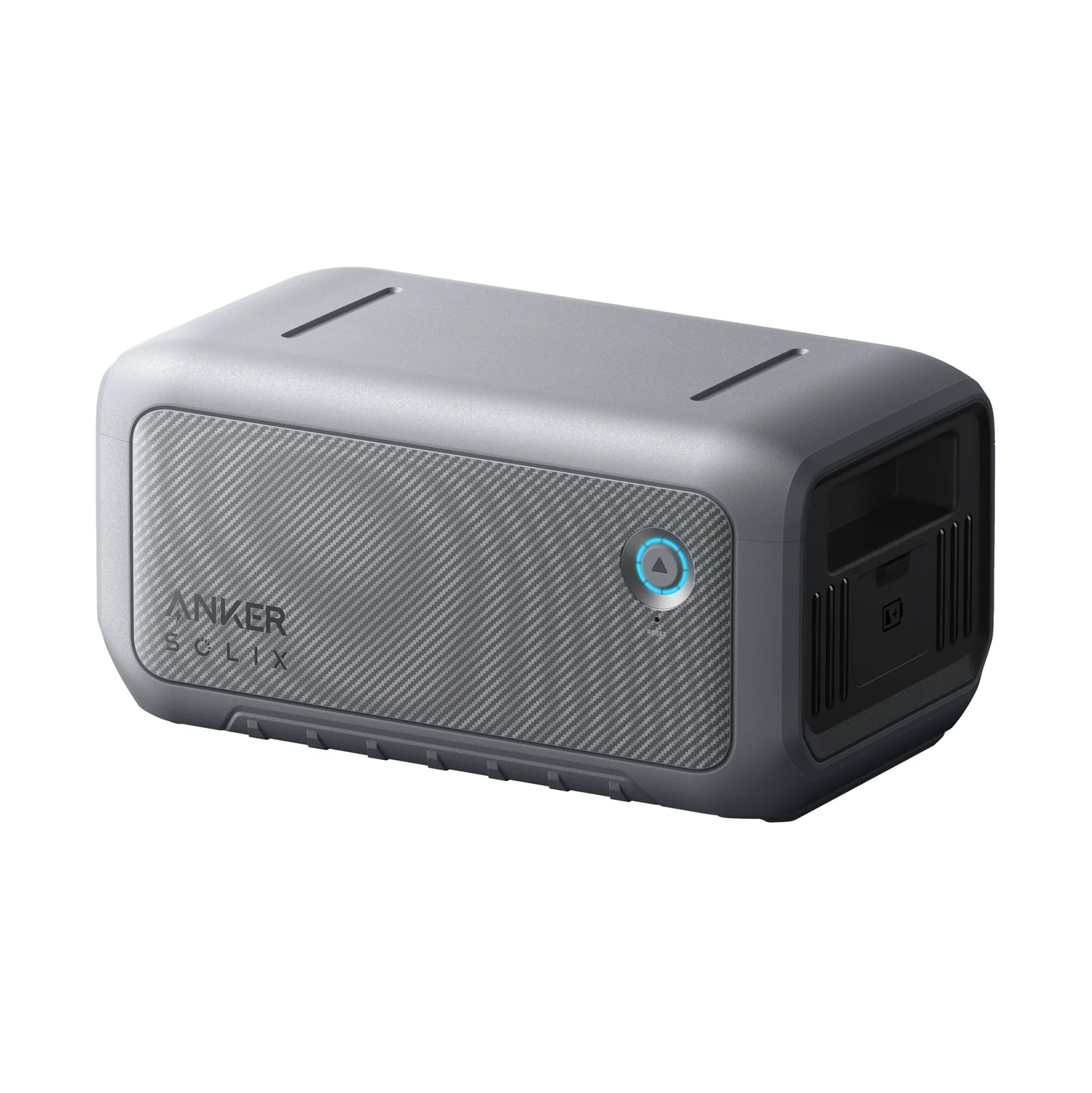
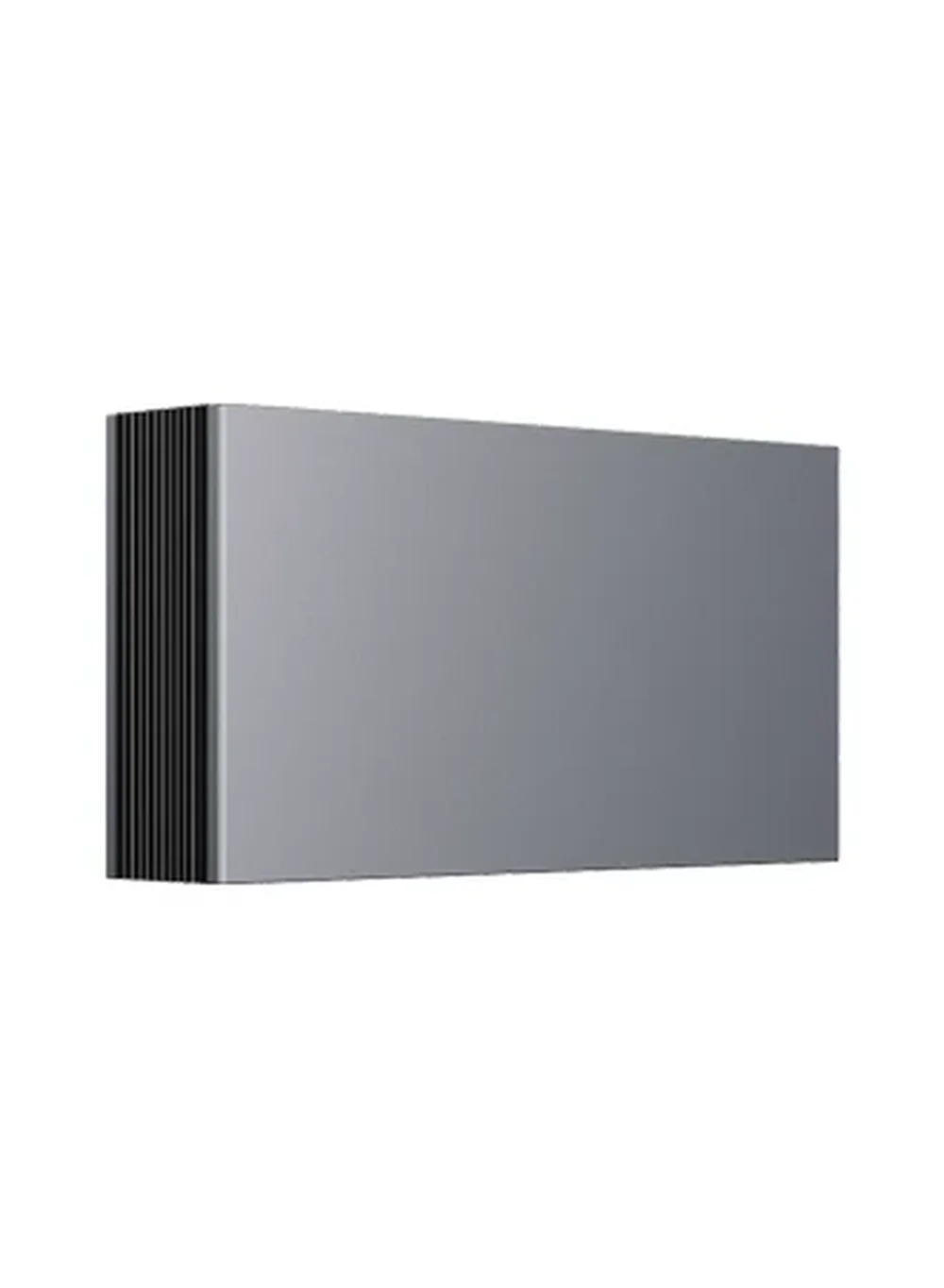
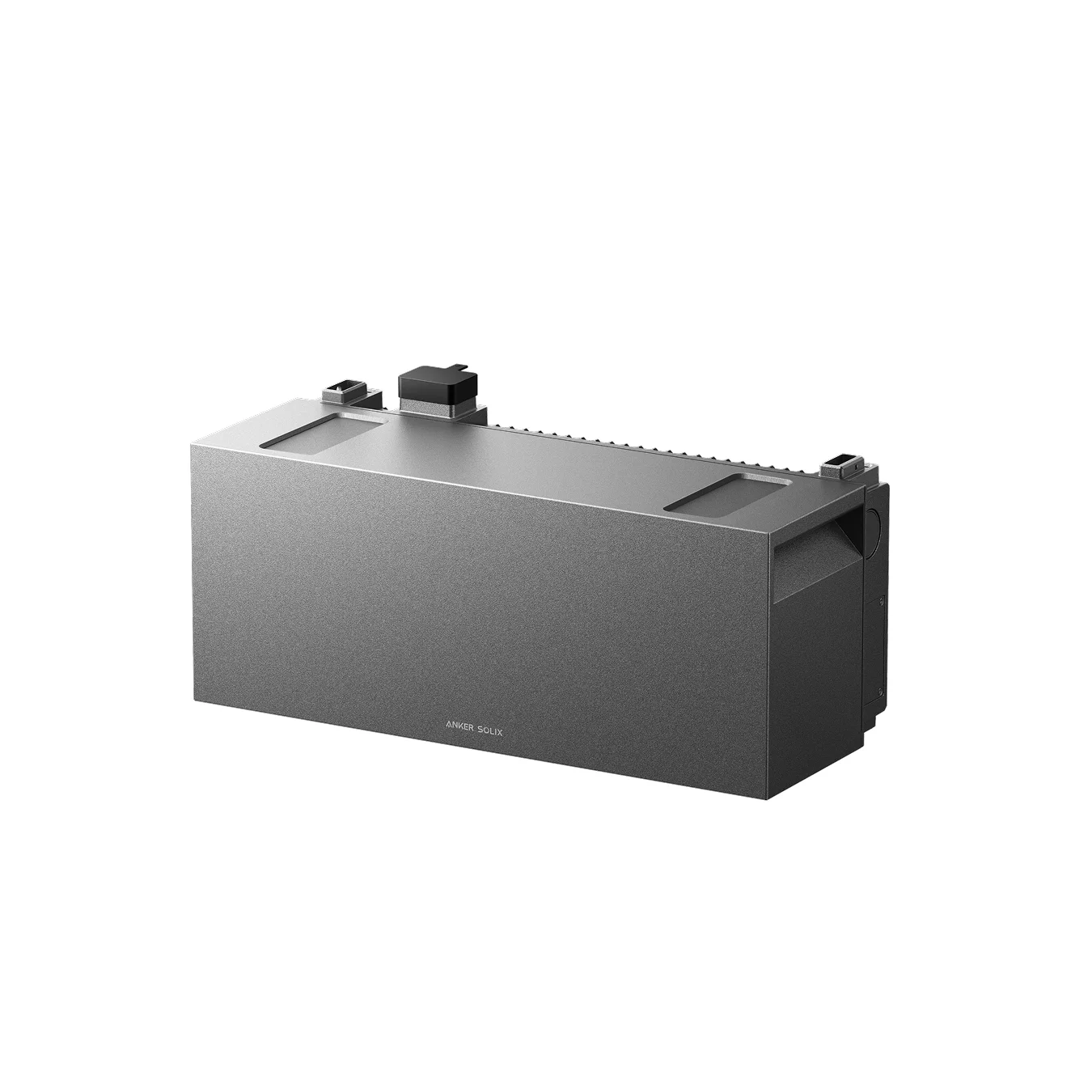
X1 Battery Module
Capacity
5 kWh
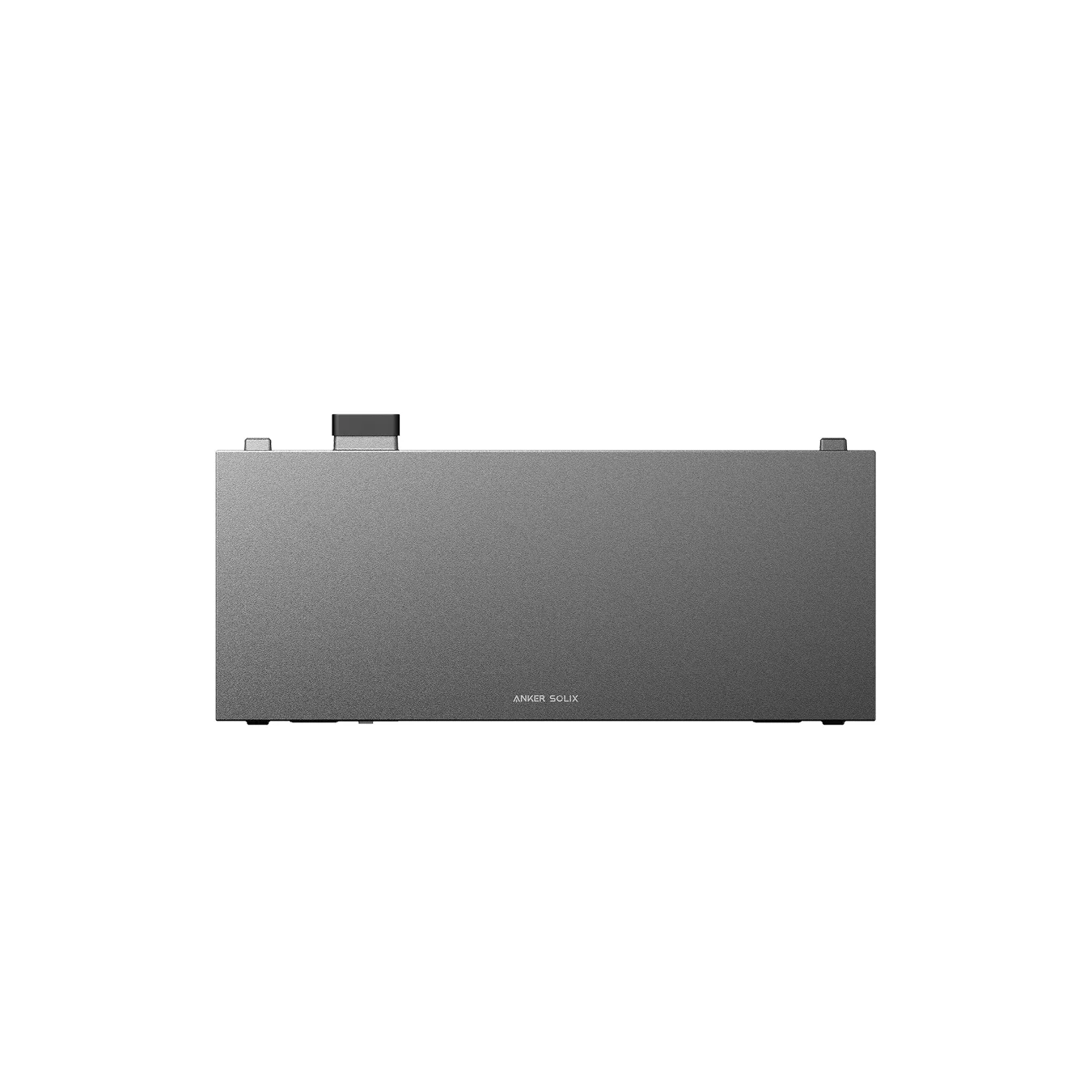
JouleSpecs does not sell and does not show shop prices: check the price where you buy.
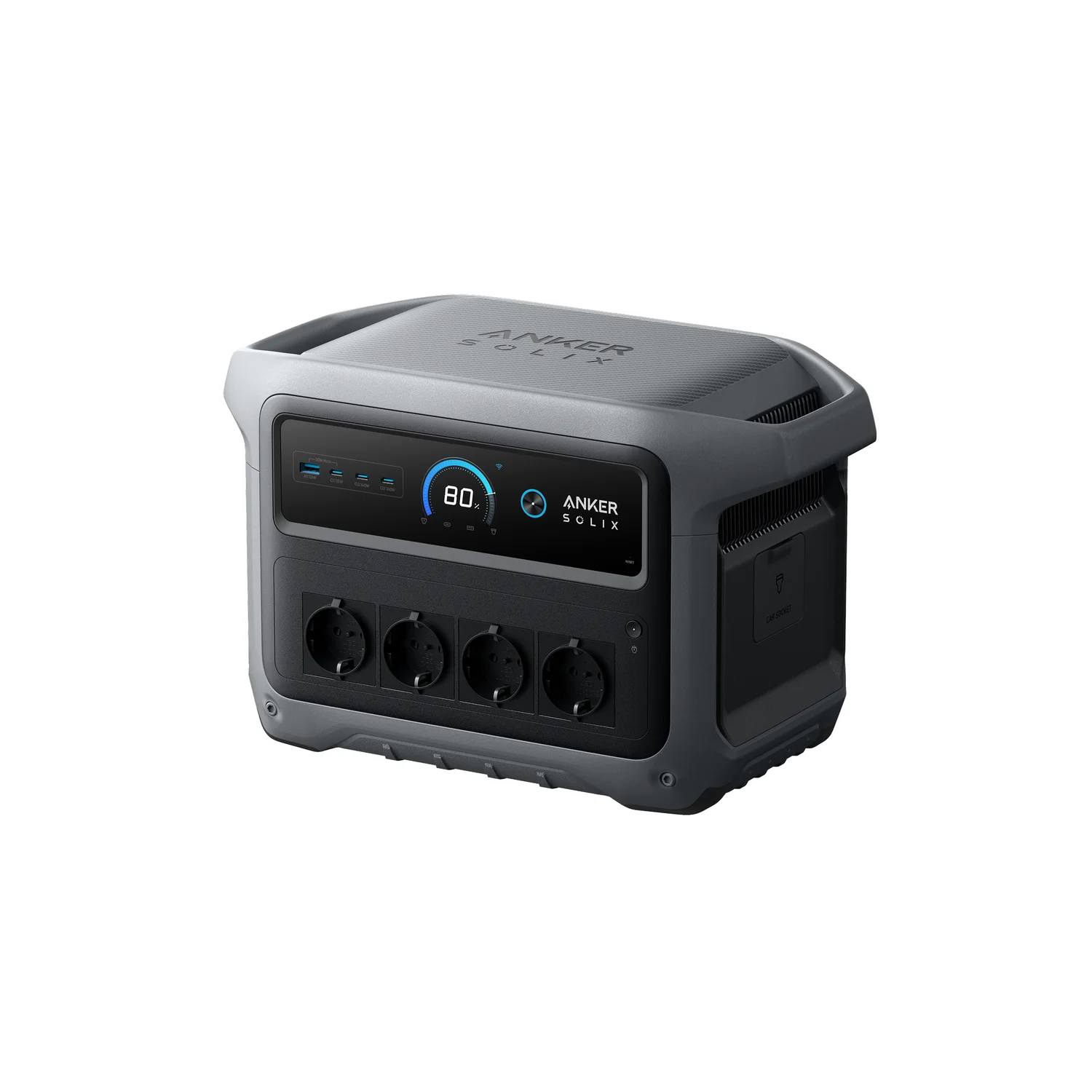
The Anker SOLIX BP7000 is the expansion module of a single system: it attaches to the Solarbank Max AC, up to five modules in a column. It isn't compatible with the expansion batteries of the other Solarbanks, and on its own it does nothing: conversion and feed-in remain the control unit's job.
The cells heat themselves, so charging doesn't stop below zero, and the body withstands rain and water jets: it's built to stay outdoors all year round. Each module adds 7 kWh of reserve.
It's for anyone who already has a Solarbank Max AC and finds that a day's sun isn't enough anymore: it isn't a starting point.
midpoint of the estimated range — on nominal capacity
| Parameter | Value | Source |
|---|---|---|
| Dimensions | 67 × 28.5 × 27.5 cm (26.4 × 11.2 × 10.8 in) | manufacturer website |
| Weight | 63.0 kg (138.9 lb) | manufacturer website |
| Compatible models | Anker SOLIX Solarbank Max AC | Declared by the brand |
| Nominal capacity | 7 kWh | Declared by the brand |
| Depth of discharge | 100 % | Declared by the brand |
| Cell chemistry | LFP (lithium iron phosphate) | Declared by the brand |
| Battery voltage | 22.4 V | Declared by the brand |
| Maximum charge power | 3.5 kW | Declared by the brand |
| Backup power | None | Declared by the brand |
| Rated cycles | 10000 cicli | Declared by the brand |
| Warranty | 10 anni | Declared by the brand |
| Ingress protection | IP66 | Declared by the brand |
| Mounting | Floor standing | Declared by the brand |
| Minimum temperature | -20 °C | Declared by the brand |
| Maximum temperature | 55 °C | Declared by the brand |
| Cell heating | Yes | Declared by the brand |
| Usable capacity | — | Not declared |
| Cell supplier | — | Not declared |
| Expandable | — | Not declared |
| Maximum expanded capacity | — | Not declared |
| Continuous output | — | Not declared |
| Phases | — | Not declared |
| Backup phases | — | Not declared |
| Switchover time | — | Not declared |
| Black start | — | Not declared |
| Grid charging | — | Not declared |
| Dynamic tariffs | — | Not declared |
| EV charger integration | — | Not declared |
| Heat pump integration | — | Not declared |
| Virtual power plant | — | Not declared |
| Capacity at end of cycle life | — | Not declared |
| Guaranteed throughput | — | Not declared |
| Guaranteed remaining capacity | — | Not declared |
| Round-trip efficiency | — | Not declared |
| Standby consumption | — | Not declared |
| SPI index (HTW Berlin) | — | Not declared |
| HTW test edition | — | Not declared |
| Noise level | — | Not declared |
| Works without internet | — | Not declared |
| Local control | — | Not declared |
| Open protocols | — | Not declared |
| Home Assistant integration | — | Not declared |
| Where the data is hosted | — | Not declared |
| Remote updates | — | Not declared |
| App required for setup | — | Not declared |
| Declared standards | — | Not declared |
| Battery passport | — | Not declared |
| Carbon footprint | — | Not declared |
| Recycled content | — | Not declared |
| Grid connection power | — | Not declared |
| Official list price | — | Not declared |
The rest of the data comes from one page on the manufacturer's site, cited row by row in the table above.
A manual or a datasheet counts as a source even when the original file is hosted elsewhere: what matters is the document, not the server. Where that happens, it is stated above.
These numbers are calculated, not stated: they have no source to cite, they have a formula you can redo. The price used is the manufacturer's list price, which is stable and the same in every country — not a shop's price on the day.