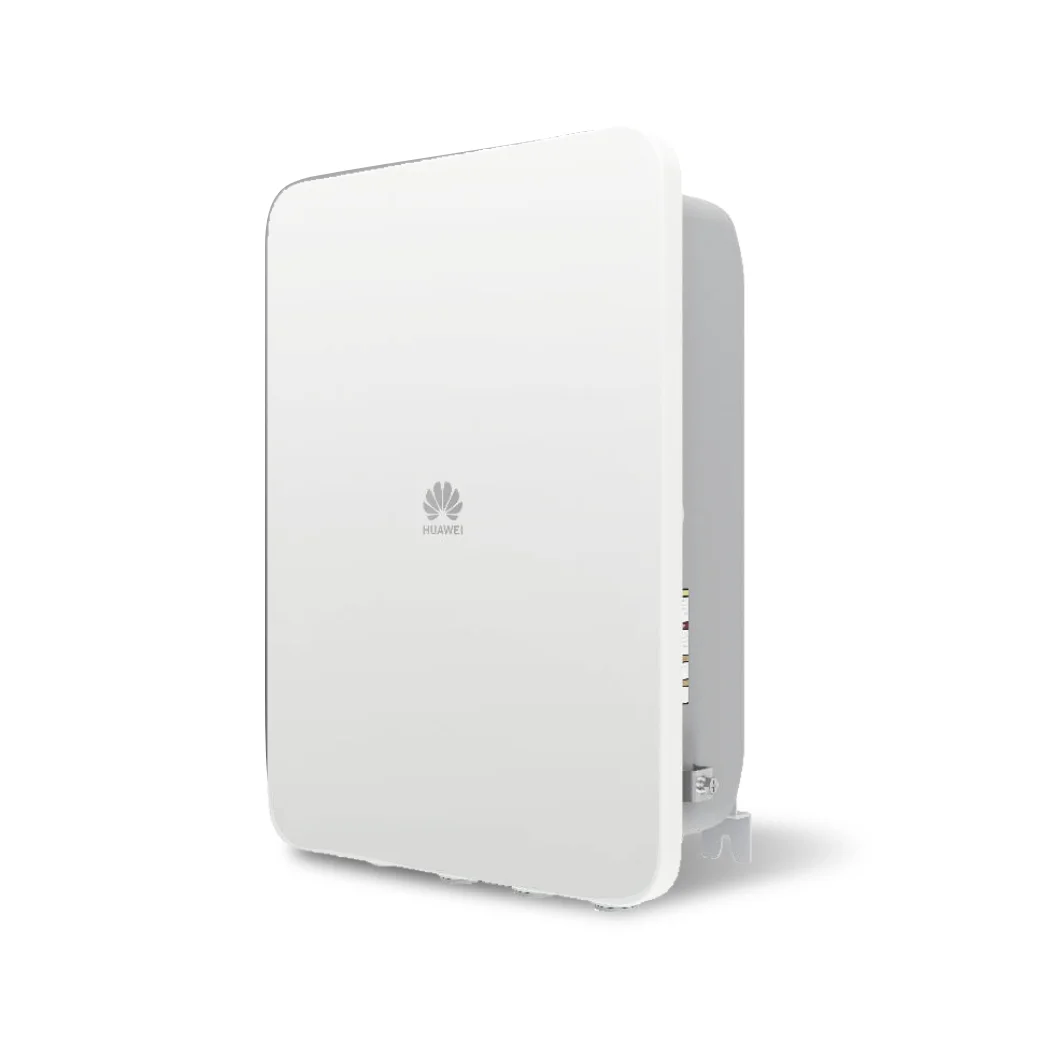
Zendure PowerHub — Backup switchboards
Zendure PowerHub C2506-1

Photo from the manufacturer

Backup switchboards F1 · Outlet-sized (up to 1 kWh)

Zendure Zendure PowerHub

Price
Not available

JouleSpecs does not sell and does not show shop prices: check the price where you buy.

Where to buy

Check the price on Amazon

Paid link: the price for you does not change.

As an Amazon Associate I earn from qualifying purchases.

Sheet on the Zendure website →
Add to my system
Data from official source

PowerHub is the transfer switch panel that sits between the home's meter, the loads to protect and one or more Zendure inverters it's connected to with dedicated signal cables: it distributes incoming power, measures in real time how much the connected appliances are drawing, and decides whether to let the grid through or isolate it. It doesn't generate or store energy on its own: that comes from the inverters and batteries it's connected to.

When the grid goes down, it isolates the home within milliseconds to keep the system from feeding current into a faulty line, then signals the connected inverters to switch to island mode and keep powering the critical loads with whatever sun and battery are available. When the grid stabilizes again, it switches back to grid-connected mode without manual action; there's also a manual bypass for cases where the panel itself needs to be isolated for maintenance.

It's installed on a wall by a licensed electrician, not by whoever buys it: the manual requires compliance with local regulations and forbids installation by unqualified personnel. It also supports connecting an EV charger to the same system, giving priority to whoever needs it at a given moment through the app.

It answers the question of anyone who already has a Zendure storage system and wants the battery's energy, during a blackout, to reach the whole home or a chosen branch of the system, not just a single outlet: its role is that of a smart circuit breaker, not a source of energy.

01 · Verified data

Technical specifications

Phases Single-phase
Round-trip efficiency Zendure does not state it.

where we looked

Standby consumption Zendure does not state it.

where we looked

Parameter Value Source
Weight 14.7 kg (32.4 lb) manufacturer website
Phases Single-phase Declared by the brand
Backup power EPS (brief interruption) Declared by the brand
Switchover time 10 ms Declared by the brand
Dynamic tariffs Via an external manager Declared by the brand
Ingress protection IP54 Declared by the brand
Mounting Wall mounted Declared by the brand
Minimum temperature -25 °C Declared by the brand
Maximum temperature 50 °C Declared by the brand
Continuous output — Not declared
Battery voltage — Not declared
Compatible batteries — Not declared
Maximum solar input — Not declared
MPPT trackers — Not declared
Inverter efficiency — Not declared
Round-trip efficiency — Not declared
Standby consumption — Not declared
SPI index (HTW Berlin) — Not declared
HTW test edition — Not declared
Cell heating — Not declared
Noise level — Not declared
Works without internet — Not declared
Local control — Not declared
Open protocols — Not declared
Home Assistant integration — Not declared
Where the data is hosted — Not declared
Remote updates — Not declared
App required for setup — Not declared
Declared standards — Not declared
Grid connection power — Not declared
Official list price — Not declared

Which documents this page rests on

A manual or a datasheet counts as a source even when the original file is hosted elsewhere: what matters is the document, not the server. Where that happens, it is stated above.

03 · Summary

Pros and cons

In favour

  • It isolates the home from the grid within milliseconds when power fails, so the system doesn't risk feeding energy into a faulty line.
  • It switches back to grid-connected mode on its own when the grid stabilizes, with no need for manual action.
  • It reads the home's consumption in real time and can talk to a local energy management system, without necessarily going through the cloud.

Worth knowing

  • On its own it powers nothing: it needs at least one Zendure SolarFlow inverter or storage unit connected, bought separately. source
  • The manual forbids installation by anyone who isn't a qualified electrician: it isn't a device you mount yourself. source
  • The IP54 rating withstands dust and light splashes, less than what's needed for an installation exposed to the weather.