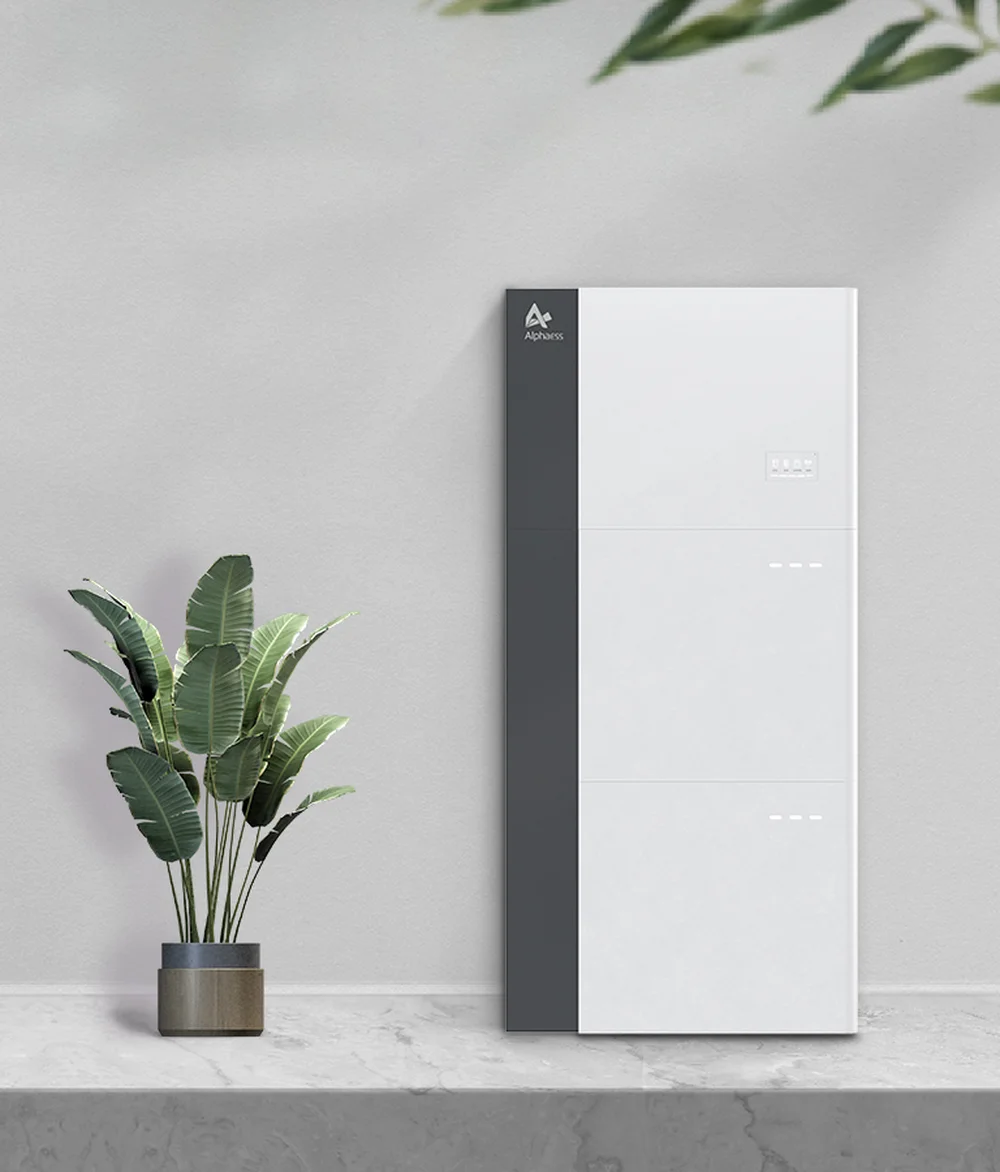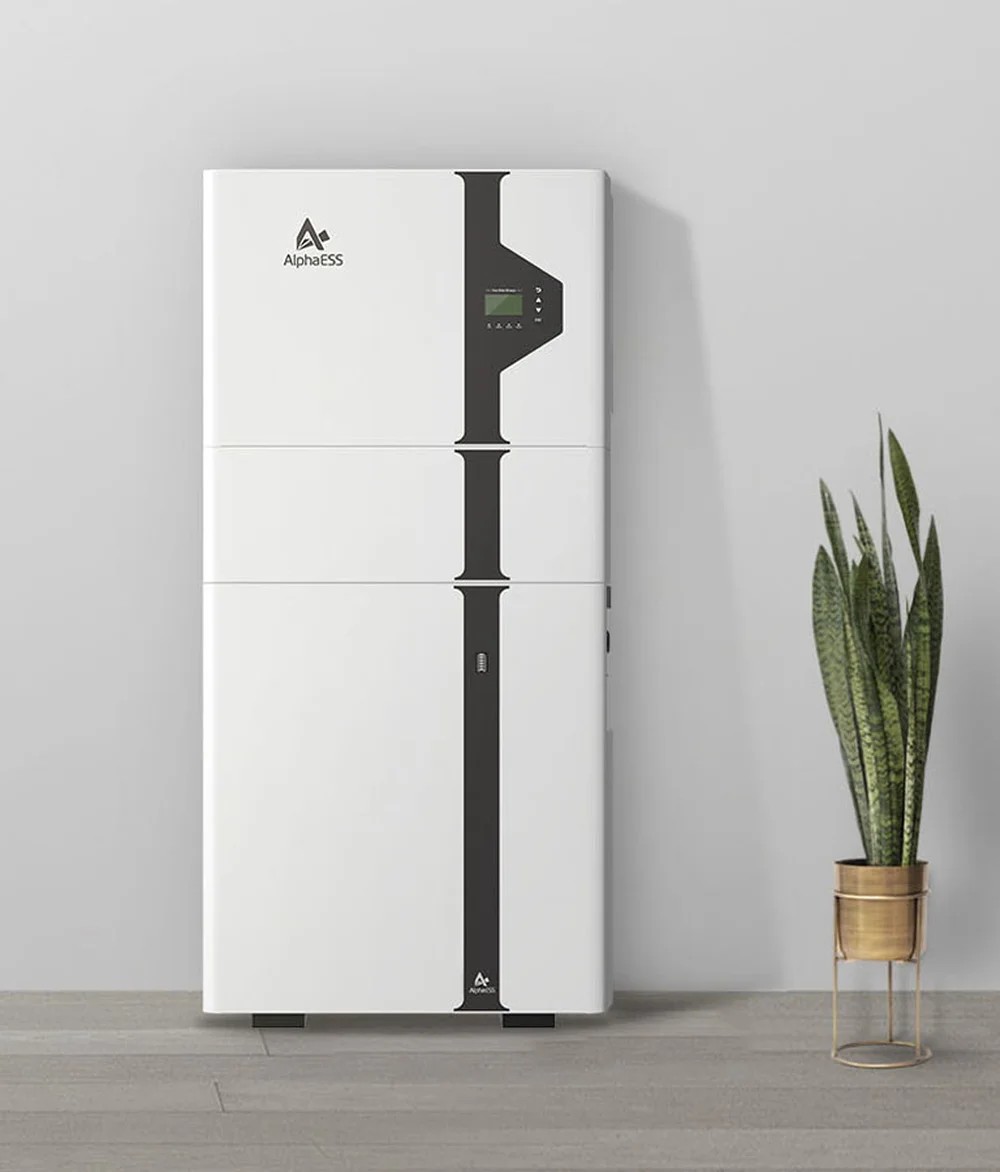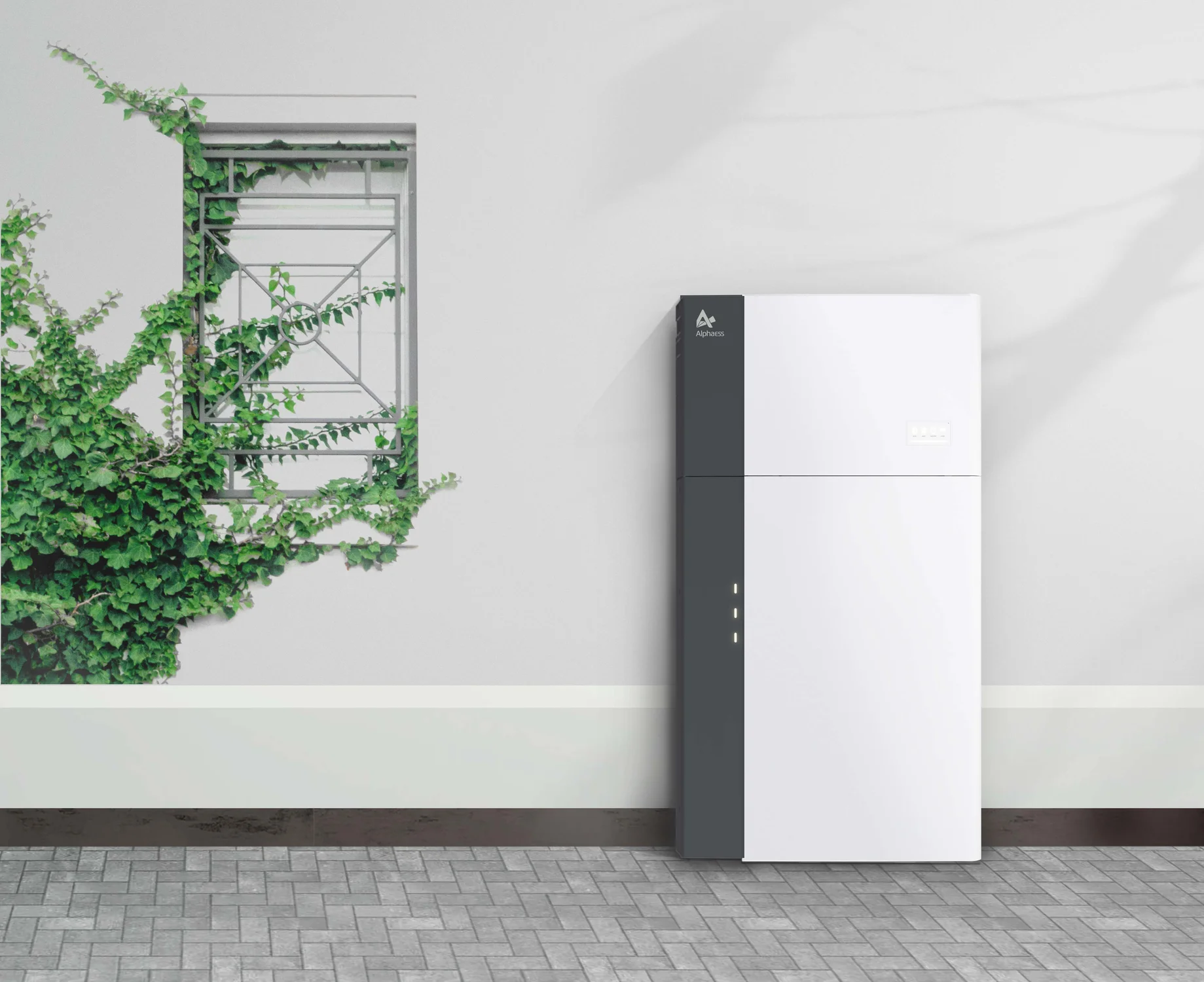
All-in-one
AlphaESS
SMILE-G3


Photo from the manufacturer
JouleSpecs does not sell and does not show shop prices: check the price where you buy.
Where to buy
Check the price on AmazonPaid link: the price for you does not change.
As an Amazon Associate I earn from qualifying purchases.
Zendure SolarFlow 4000 Mix AC+ is a storage unit that's added to an existing rooftop solar system, keeping the inverter and most of the wiring already there: it connects in alternating current to a third-party solar inverter, without replacing it, and can return more energy to the home grid than a system within balcony solar limits does. The share it feeds back can be increased by having an electrician hardwire it, within what local regulations allow.
It recognizes a power outage on its own and switches to the battery to power the loads connected to its dedicated emergency outlet, both day and night; if the solar system is still producing at that moment, it keeps charging the battery even while the grid is down. It doesn't power the whole home: only what's plugged into the emergency outlet gets power. The emergency outlet can also be activated by hand, with a double click on the panel button, without going through the app or the internet.
It also charges and discharges based on the energy price, when the utility makes it known: it draws from the grid during the cheapest hours and returns the stored energy when it costs more. The wheels are for pushing it sideways: it isn't built to move the short way. It's for anyone who already has panels and wants a residential-sized battery without touching the existing system; anyone looking for a small balcony storage unit with no solar system of their own needs a different device, built for that scope.
Best balance of technical score and price among the 3 sheets in the All-in-one category (flat-sized tier): list price €1999, technical score 79/100.
How we assign awards →midpoint of the estimated range — on nominal capacity
| Parameter | Value | Source |
|---|---|---|
| Weight | 80.0 kg (176.4 lb) | manufacturer website |
| Nominal capacity | 8 kWh | Declared by the brand |
| Continuous output | 3680 W | Declared by the brand |
| Phases | Single-phase | Declared by the brand |
| Maximum charge power | 4 kW | Declared by the brand |
| Backup power | UPS | Declared by the brand |
| Switchover time | 10 ms | Declared by the brand |
| Grid charging | Yes | Declared by the brand |
| Dynamic tariffs | Built in | Declared by the brand |
| Rated cycles | 10000 cicli | Declared by the brand |
| Capacity at end of cycle life | 70 % | Declared by the brand |
| Warranty | 10 anni | Declared by the brand |
| Round-trip efficiency | 90 % | Declared by the brand |
| Ingress protection | IP65 | Declared by the brand |
| Minimum temperature | -20 °C | Declared by the brand |
| Maximum temperature | 55 °C | Declared by the brand |
| Works without internet | With limitations | Declared by the brand |
| Grid connection power | 3 kW | Declared by the brand |
| Usable capacity | — | Not declared |
| Depth of discharge | — | Not declared |
| Cell chemistry | — | Not declared |
| Cell supplier | — | Not declared |
| Expandable | — | Not declared |
| Maximum expanded capacity | — | Not declared |
| Battery voltage | — | Not declared |
| Backup phases | — | Not declared |
| Black start | — | Not declared |
| EV charger integration | — | Not declared |
| Heat pump integration | — | Not declared |
| Virtual power plant | — | Not declared |
| Guaranteed throughput | — | Not declared |
| Guaranteed remaining capacity | — | Not declared |
| Standby consumption | — | Not declared |
| SPI index (HTW Berlin) | — | Not declared |
| HTW test edition | — | Not declared |
| Mounting | — | Not declared |
| Cell heating | — | Not declared |
| Noise level | — | Not declared |
| Local control | — | Not declared |
| Open protocols | — | Not declared |
| Home Assistant integration | — | Not declared |
| Where the data is hosted | — | Not declared |
| Remote updates | — | Not declared |
| App required for setup | — | Not declared |
| Declared standards | — | Not declared |
| Battery passport | — | Not declared |
| Carbon footprint | — | Not declared |
| Recycled content | — | Not declared |
These numbers are calculated, not stated: they have no source to cite, they have a formula you can redo. The price used is the manufacturer's list price, which is stable and the same in every country — not a shop's price on the day.