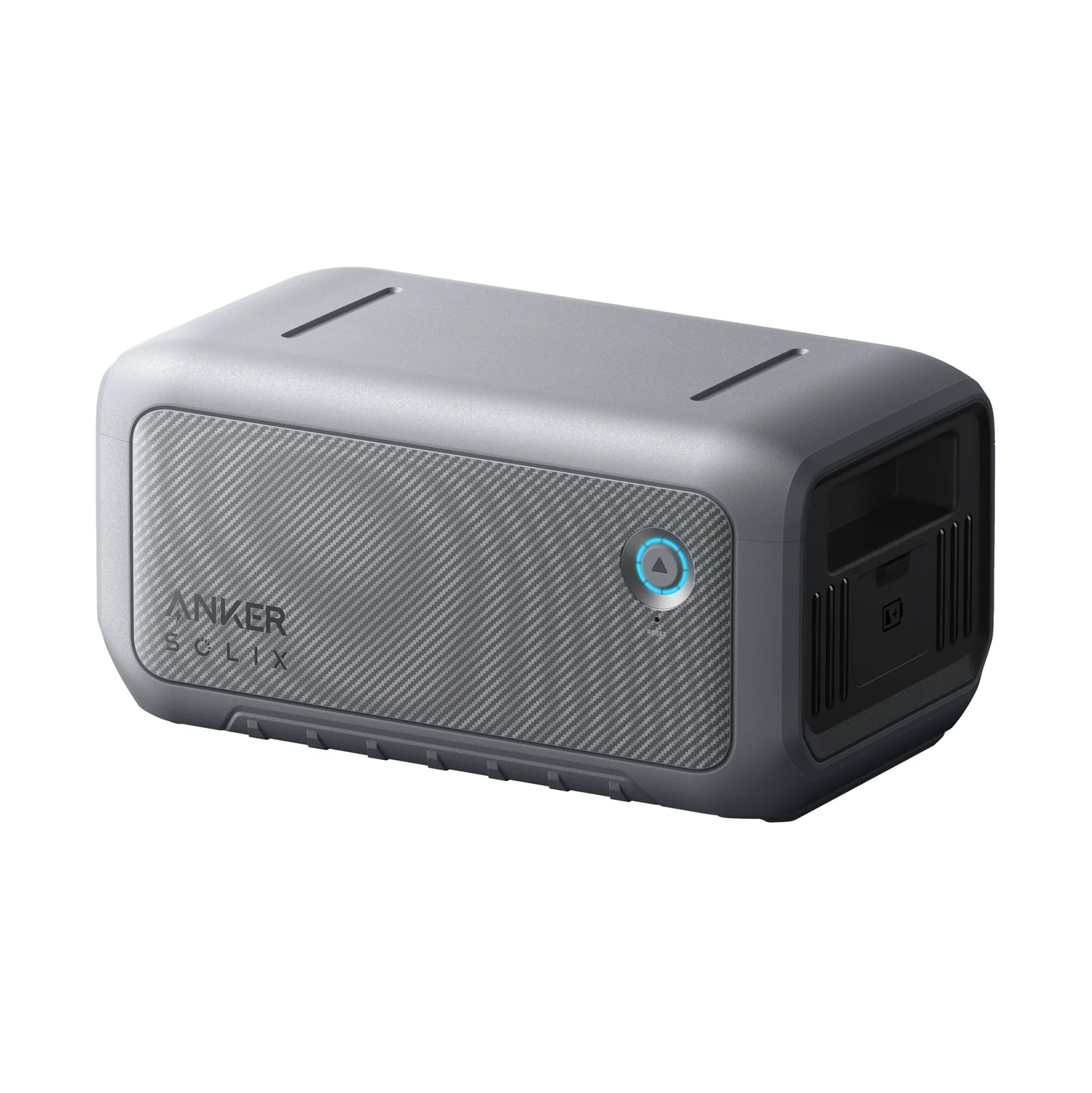
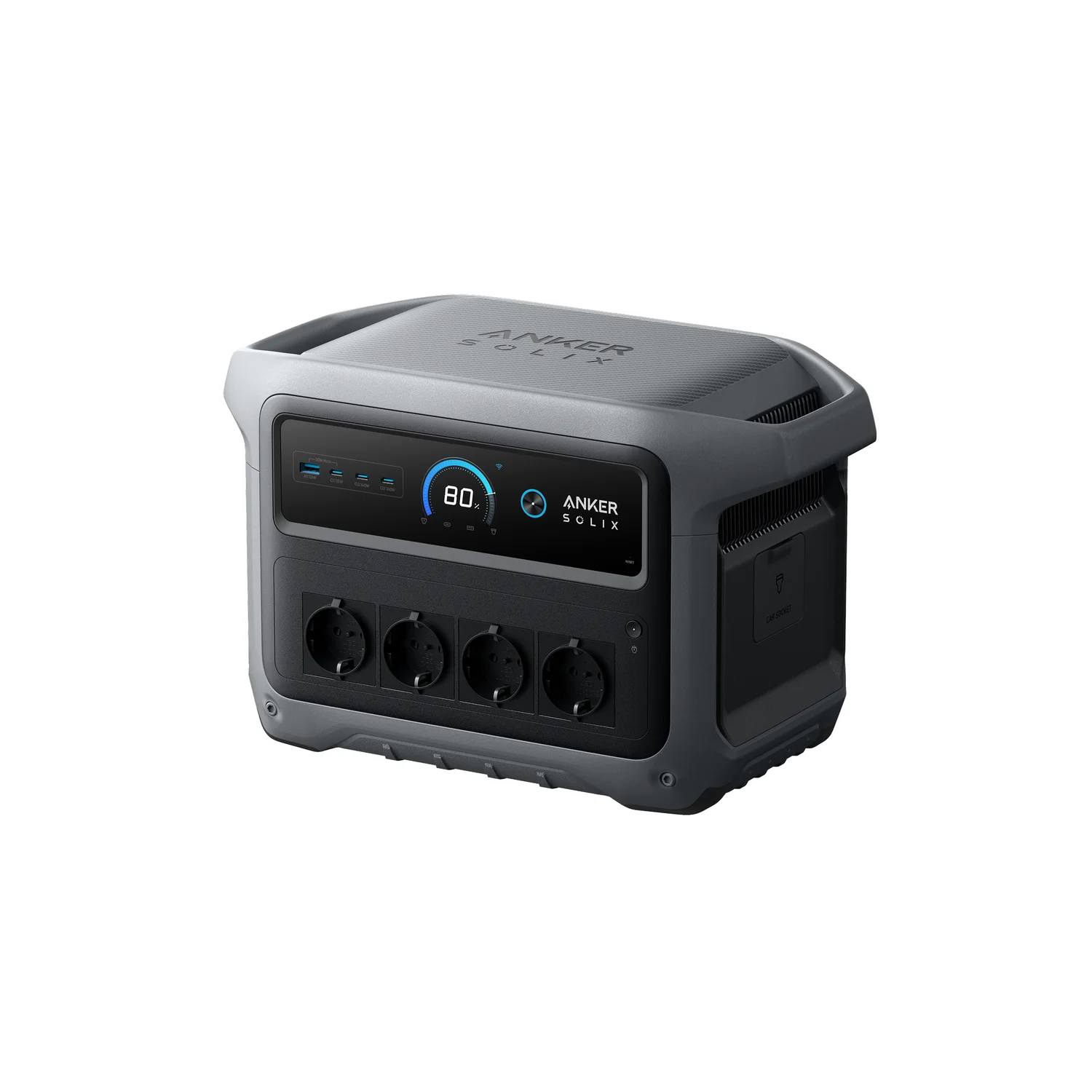
Ultraportable
Anker SOLIX · A1723311
Anker SOLIX C300X
Capacity
0.288 kWh


Photo from the manufacturer
JouleSpecs does not sell and does not show shop prices: check the price where you buy.
Where to buy
Check the price on AmazonPaid link: the price for you does not change.
As an Amazon Associate I earn from qualifying purchases.
The Anker SOLIX C300 is a lithium iron phosphate power station, meant to live in a backpack or on a car seat rather than in a corner at home: it has no expansion battery, so the capacity it starts with is the capacity it keeps.
The USB-C port both accepts and delivers power through the same input, so a single cable serves both to recharge the unit and to power a laptop with heavy draw. Connected to the outlet, it switches to battery fast enough that a computer left on doesn't notice the outage. Remaining charge reads on its own screen, without opening the app; the phone stays useful for finer settings, like automatic shutoff.
It stays quiet at arm's length, comfortable to keep running while sleeping in a tent or working in a van. It suits anyone looking for a light reserve for a phone, lights and a laptop during a trip or a shift away from home; anyone looking for a reserve to run a fridge during a power outage at home needs more capacity than this.
official manufacturer list price — on nominal capacity
| Parameter | Value | Source |
|---|---|---|
| Weight | 4.13 kg (9.1 lb) | manufacturer website |
| Nominal capacity | 0.288 kWh | Declared by the brand |
| Cell chemistry | LFP (lithium iron phosphate) | Declared by the brand |
| Expandable | No | Declared by the brand |
| Continuous output | 300 W | Declared by the brand |
| Peak output | 600 W | Declared by the brand |
| Fastest USB-C | 140 W | Declared by the brand |
| Maximum charge power | 0.33 kW | Declared by the brand |
| 0–80% charge time | 50 min | Declared by the brand |
| Maximum solar input | 100 W | Declared by the brand |
| Backup power | UPS | Declared by the brand |
| Switchover time | 10 ms | Declared by the brand |
| Rated cycles | 3000 cicli | Declared by the brand |
| Capacity at end of cycle life | 80 % | Declared by the brand |
| Warranty | 5 anni | Declared by the brand |
| Mounting | Portable | Declared by the brand |
| Minimum temperature | -20 °C | Declared by the brand |
| Maximum temperature | 40 °C | Declared by the brand |
| Noise level | 25 dB | Declared by the brand |
| Official list price | 269.99 € | Declared by the brand |
| Usable capacity | — | Not declared |
| Depth of discharge | — | Not declared |
| Cell supplier | — | Not declared |
| Maximum expanded capacity | — | Not declared |
| Peak duration | — | Not declared |
| AC outlets | — | Not declared |
| Guaranteed throughput | — | Not declared |
| Guaranteed remaining capacity | — | Not declared |
| Round-trip efficiency | — | Not declared |
| Standby consumption | — | Not declared |
| Ingress protection | — | Not declared |
| Cell heating | — | Not declared |
| Wheels and handle | — | Not declared |
| Works without internet | — | Not declared |
| Local control | — | Not declared |
| Open protocols | — | Not declared |
| Home Assistant integration | — | Not declared |
| Where the data is hosted | — | Not declared |
| Remote updates | — | Not declared |
| App required for setup | — | Not declared |
| Declared standards | — | Not declared |
The rest of the data comes from one page on the manufacturer's site, cited row by row in the table above.
A manual or a datasheet counts as a source even when the original file is hosted elsewhere: what matters is the document, not the server. Where that happens, it is stated above.
These numbers are calculated, not stated: they have no source to cite, they have a formula you can redo. The price used is the manufacturer's list price, which is stable and the same in every country — not a shop's price on the day.


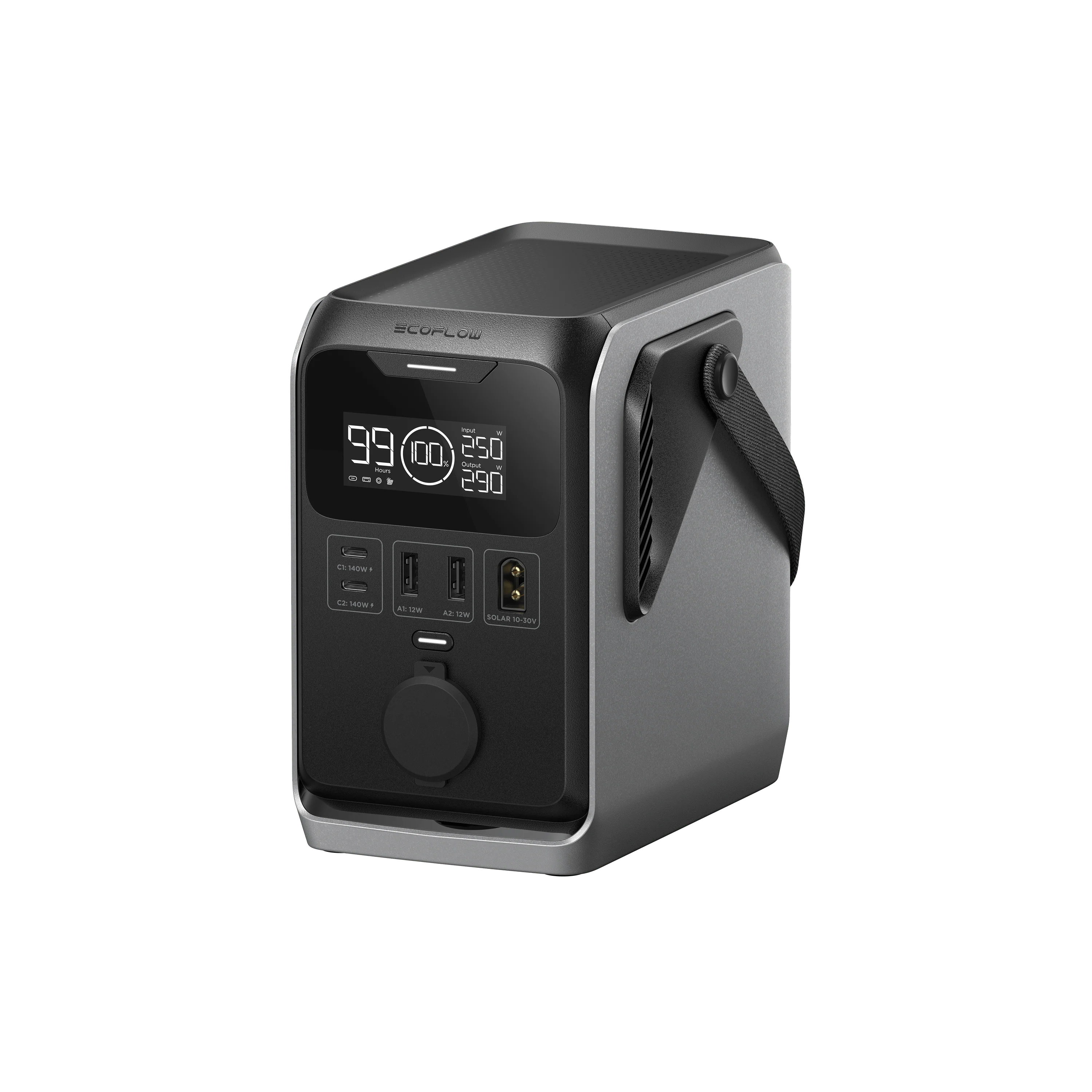
Chosen by the declared use tier and footprint, not by price: we don't publish prices.
Same tier, different manufacturer