Energy Depot CENTURIO 10 — Hybrid inverters
Energy Depot CENTURIO 10 CE010211AB

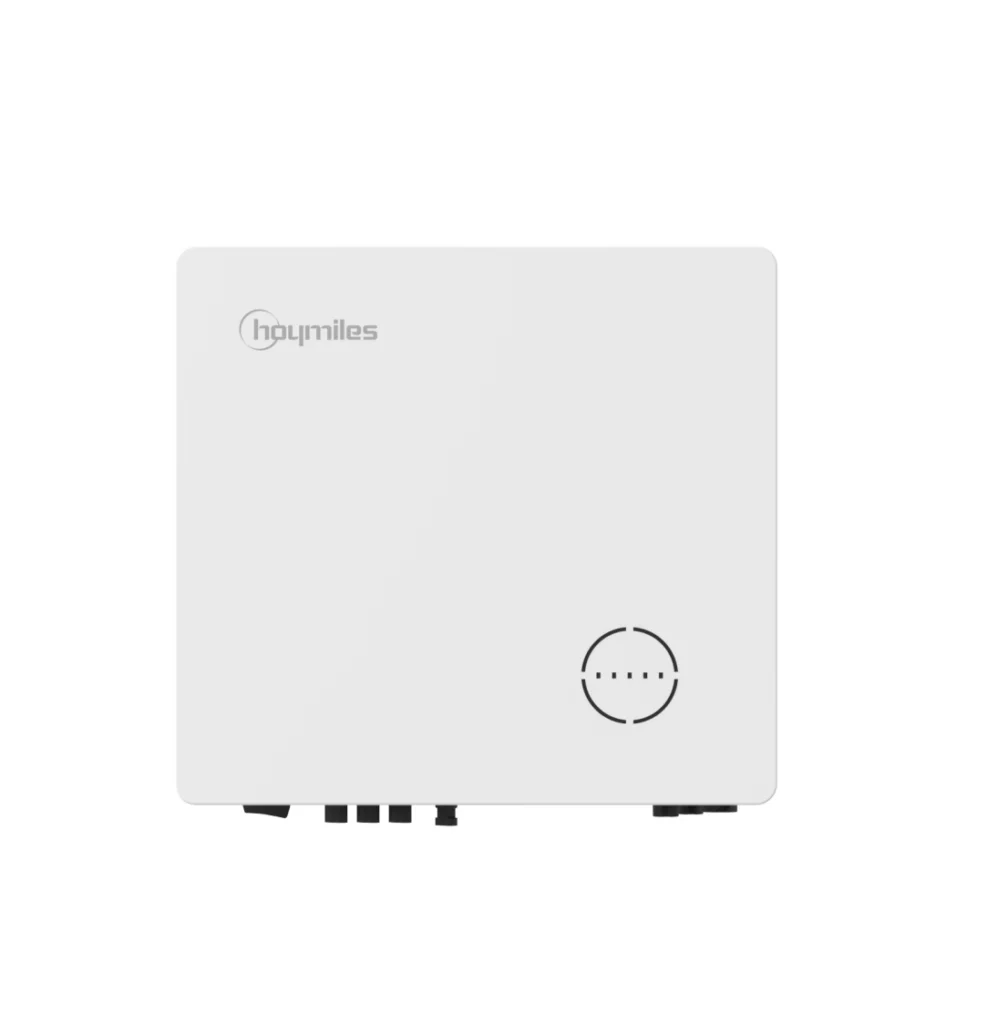
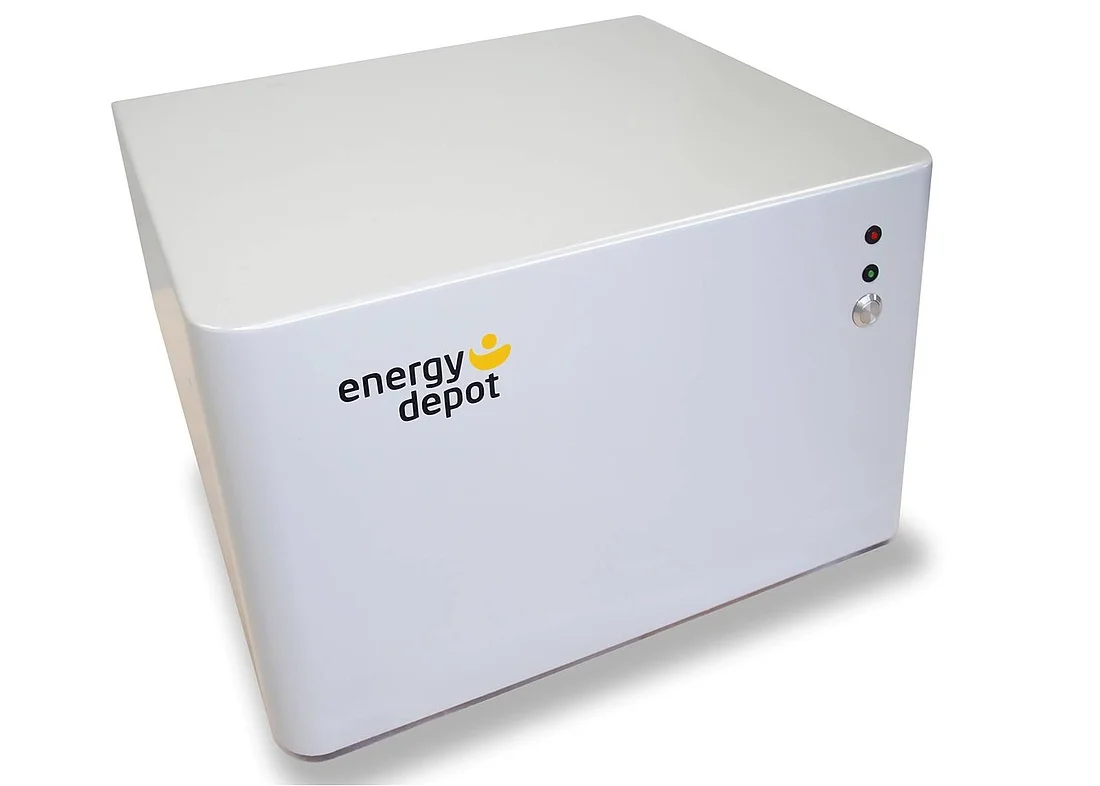
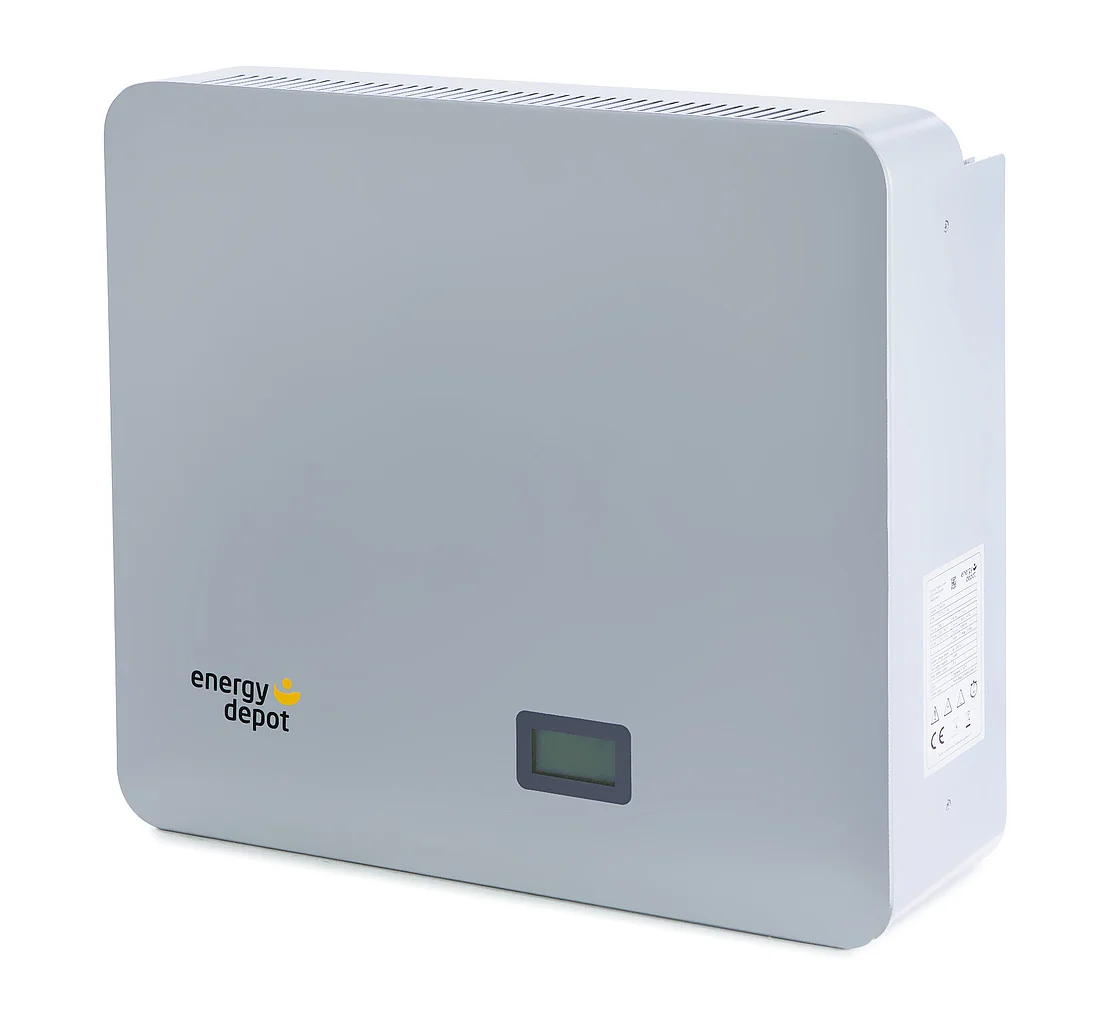
Photo from the manufacturer

Hybrid inverters F1 · Outlet-sized (up to 1 kWh)

Energy Depot Energy Depot CENTURIO 10

Price
Not available

JouleSpecs does not sell and does not show shop prices: check the price where you buy.

Sheet on the Energy Depot website →
Add to my system
Data from official source

The Energy Depot CENTURIO 10 is a three-phase hybrid inverter that links the solar panels, the battery and the grid. It has two independent MPPT inputs and regulates each phase separately as the home's loads change.

The supported devices include Energy Depot's DOMUS 2.5 storage. It recognizes a grid interruption on its own and switches into island mode, but true backup power - the kind that keeps loads running while the grid is down - is an option that requires the VECTIS module.

It connects to the local network over LAN as well as RS485, and cooling is passive, by convection, with no fans. The protection rating is IP20.

01 · Verified data

Technical specifications

Continuous output 9990 W
Phases Three-phase
Round-trip efficiency Energy Depot does not state it.

where we looked

Standby consumption 20 W
Parameter Value Source
Dimensions 61 × 20 × 55.2 cm (24.0 × 7.9 × 21.7 in) manufacturer website
Weight 37.0 kg (81.6 lb) manufacturer website
Continuous output 9990 W Declared by the brand
Phases Three-phase Declared by the brand
Battery voltage 425 V Declared by the brand
Compatible batteries DOMUS 2.5 e altri Declared by the brand
Maximum solar input 12000 W Declared by the brand
MPPT trackers 2 Declared by the brand
Inverter efficiency 97.5 % Declared by the brand
Backup power Full island mode Declared by the brand
Standby consumption 20 W Declared by the brand
Ingress protection IP20 Declared by the brand
Minimum temperature 5 °C Declared by the brand
Maximum temperature 40 °C Declared by the brand
Noise level 35 dB Declared by the brand
Local control Local network Declared by the brand
Declared standards VDE-AR-N 4105 Declared by the brand
Switchover time — Not declared
Dynamic tariffs — Not declared
Round-trip efficiency — Not declared
Mounting — Not declared
Cell heating — Not declared
Works without internet — Not declared
Open protocols — Not declared
Home Assistant integration — Not declared
Where the data is hosted — Not declared
Remote updates — Not declared
App required for setup — Not declared
Grid connection power — Not declared
Official list price — Not declared

Which documents this page rests on

The rest of the data comes from one page on the manufacturer's site, cited row by row in the table above.

A manual or a datasheet counts as a source even when the original file is hosted elsewhere: what matters is the document, not the server. Where that happens, it is stated above.

03 · Summary

Pros and cons

In favour

  • It recognizes a grid interruption on its own and switches into island mode without manual intervention.
  • It connects to the local network over LAN as well as RS485.
  • Two independent MPPT solar inputs, handy if the panels face in two different directions.
  • Passive cooling by convection, with no fans.

Worth knowing

  • True backup power is optional and additionally requires the VECTIS module.
  • It works only at ambient temperatures from +5 to +40 °C: a room exposed to frost or strong heat is not suitable.
  • The IP20 protection restricts it to an indoor environment, not a storage room exposed to dust or damp.
Updates to this sheet and Manufacturer Notes
  1. Sheet published