Modular
Zendure · ZDSF800
Zendure SolarFlow 800
Weight
5.0kg (11.0 lb)

Photo from the manufacturer
JouleSpecs does not sell and does not show shop prices: check the price where you buy.
Where to buy
Check the price on AmazonPaid link: the price for you does not change.
As an Amazon Associate I earn from qualifying purchases.
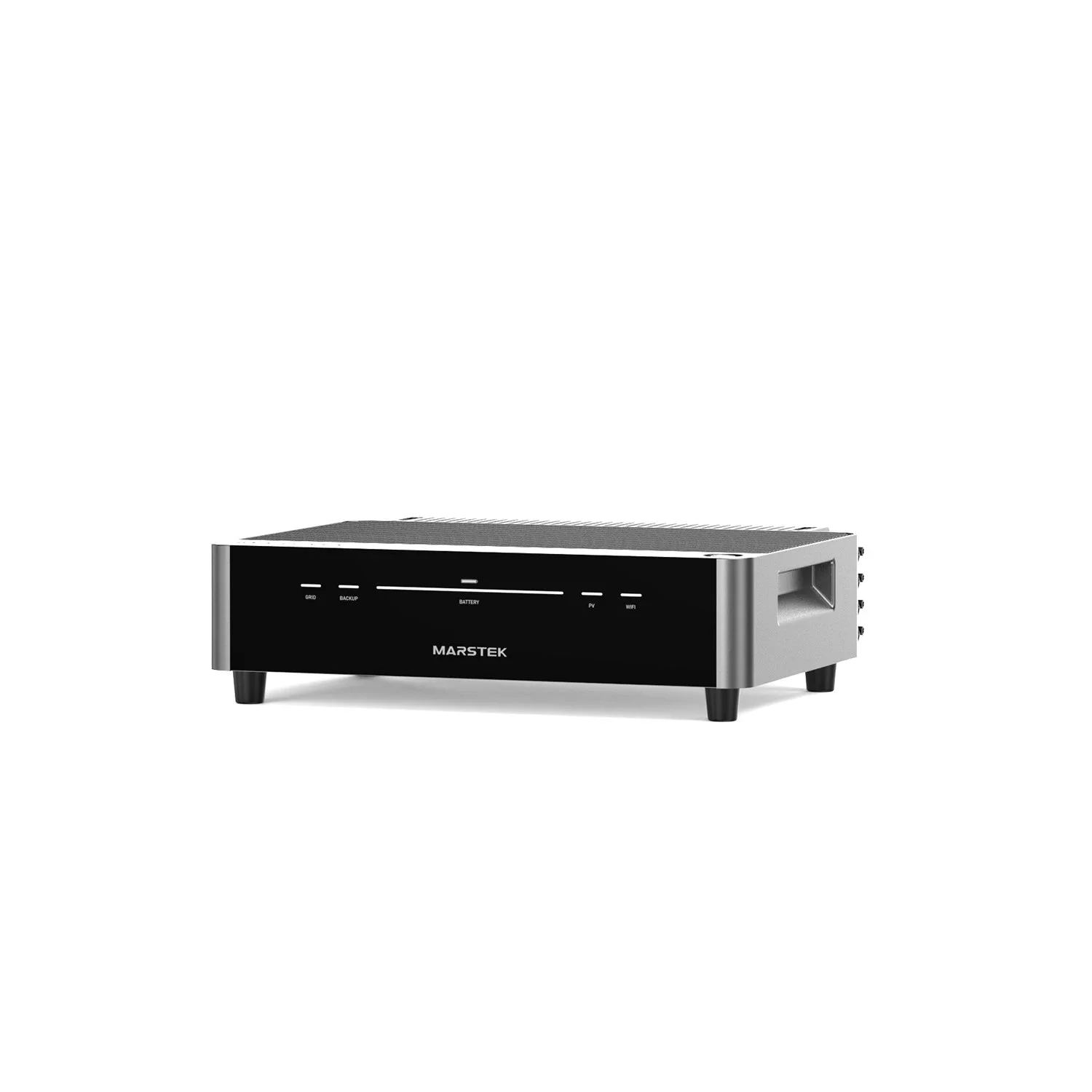
SolarFlow 2400 AC is a control unit with no battery of its own: it has no panel inputs and doesn't store energy on its own, but it reads how much an existing rooftop solar system produces and how much the home consumes, and exchanges the difference with the grid through its cable with a Schuko plug. All the capacity comes from a dedicated satellite battery that attaches under the control unit: the manufacturer's store doesn't sell this model without at least one battery, and up to six can be connected in series.
A dedicated outlet stays powered even when the grid goes down, but it has to be enabled from the app before it's needed, and turned off again afterward. It withstands operating temperatures up to sixty degrees, which matters for anyone installing it on a south-facing balcony in full summer.
It mounts on a wall with the included brackets. Without the app and an account, it never gets to its first startup. It's the choice for anyone who already has panels on the roof and wants to recover the energy that today goes to waste, factoring in buying the battery together with the control unit.
Highest technical score among the 5 sheets in the Modular category (outlet-sized tier): 67/100.
How we assign awards →| Parameter | Value | Source |
|---|---|---|
| Weight | 10.12 kg (22.3 lb) | manufacturer website |
| Cell chemistry | LFP (lithium iron phosphate) | Declared by the brand |
| Expandable | Yes | Declared by the brand |
| Maximum expanded capacity | 17.28 kWh | Declared by the brand |
| Battery voltage | 48 V | Declared by the brand |
| Feed-in limit | 2400 VA | Declared by the brand |
| Grid charging | Yes | Declared by the brand |
| Maximum charge power | 2.4 kW | Declared by the brand |
| Backup power | EPS (brief interruption) | Declared by the brand |
| Backup output | 2400 W | Declared by the brand |
| Rated cycles | 6000 cicli | Declared by the brand |
| Ingress protection | IP65 | Declared by the brand |
| Mounting | Wall mounted | Declared by the brand |
| Minimum temperature | -20 °C | Declared by the brand |
| Maximum temperature | 60 °C | Declared by the brand |
| Cell heating | Yes | Declared by the brand |
| App required for setup | Yes | Declared by the brand |
| Declared standards | CE | Declared by the brand |
| Usable capacity | — | Not declared |
| Depth of discharge | — | Not declared |
| Cell supplier | — | Not declared |
| Inverter included | — | Not declared |
| Maximum solar input | — | Not declared |
| MPPT trackers | — | Not declared |
| Dynamic tariffs | — | Not declared |
| Switchover time | — | Not declared |
| Capacity at end of cycle life | — | Not declared |
| Warranty | — | Not declared |
| Guaranteed throughput | — | Not declared |
| Guaranteed remaining capacity | — | Not declared |
| Round-trip efficiency | — | Not declared |
| Standby consumption | — | Not declared |
| Noise level | — | Not declared |
| Works without internet | — | Not declared |
| Local control | — | Not declared |
| Open protocols | — | Not declared |
| Home Assistant integration | — | Not declared |
| Where the data is hosted | — | Not declared |
| Remote updates | — | Not declared |
| Battery passport | — | Not declared |
| Carbon footprint | — | Not declared |
| Recycled content | — | Not declared |
The rest of the data comes from one page on the manufacturer's site, cited row by row in the table above.
A manual or a datasheet counts as a source even when the original file is hosted elsewhere: what matters is the document, not the server. Where that happens, it is stated above.
These numbers are calculated, not stated: they have no source to cite, they have a formula you can redo. The price used is the manufacturer's list price, which is stable and the same in every country — not a shop's price on the day.