BYD Battery-Box Premium HVS 10.2 vs Huawei LUNA2000-7-S1
Technical comparison · High voltage
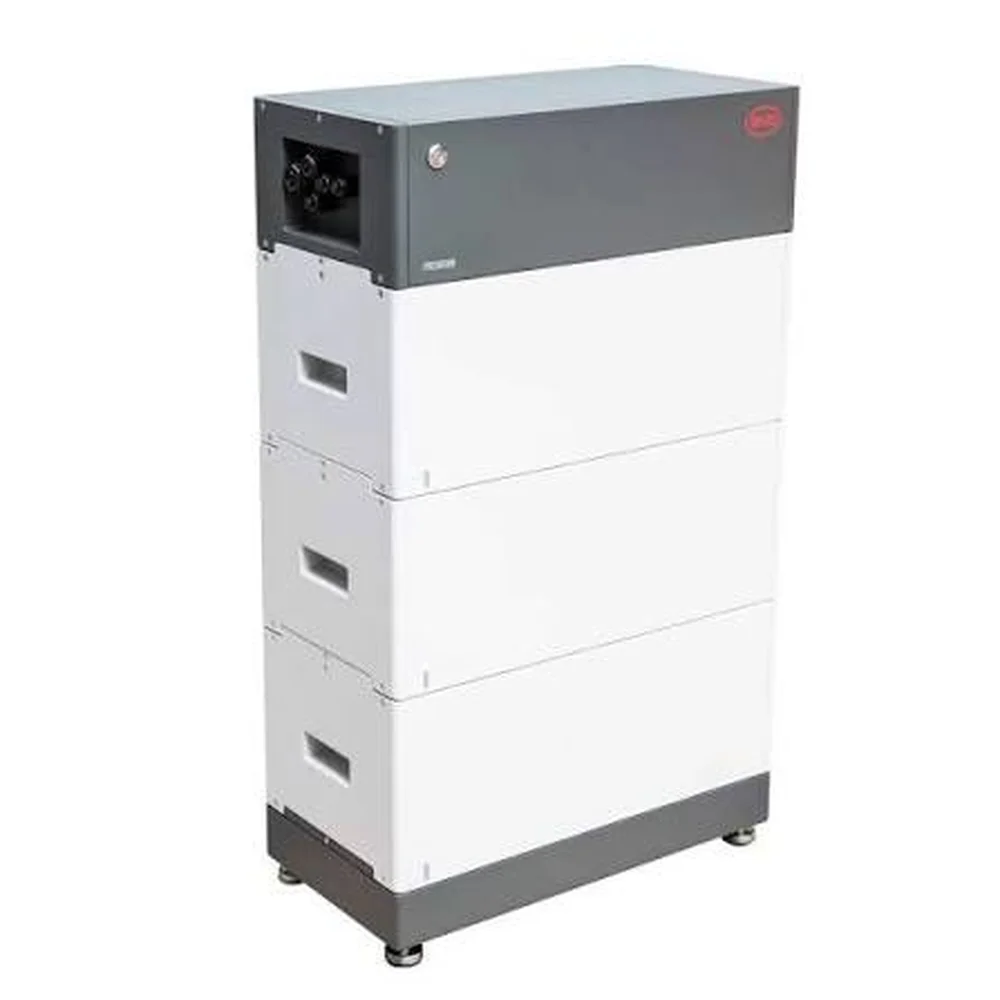
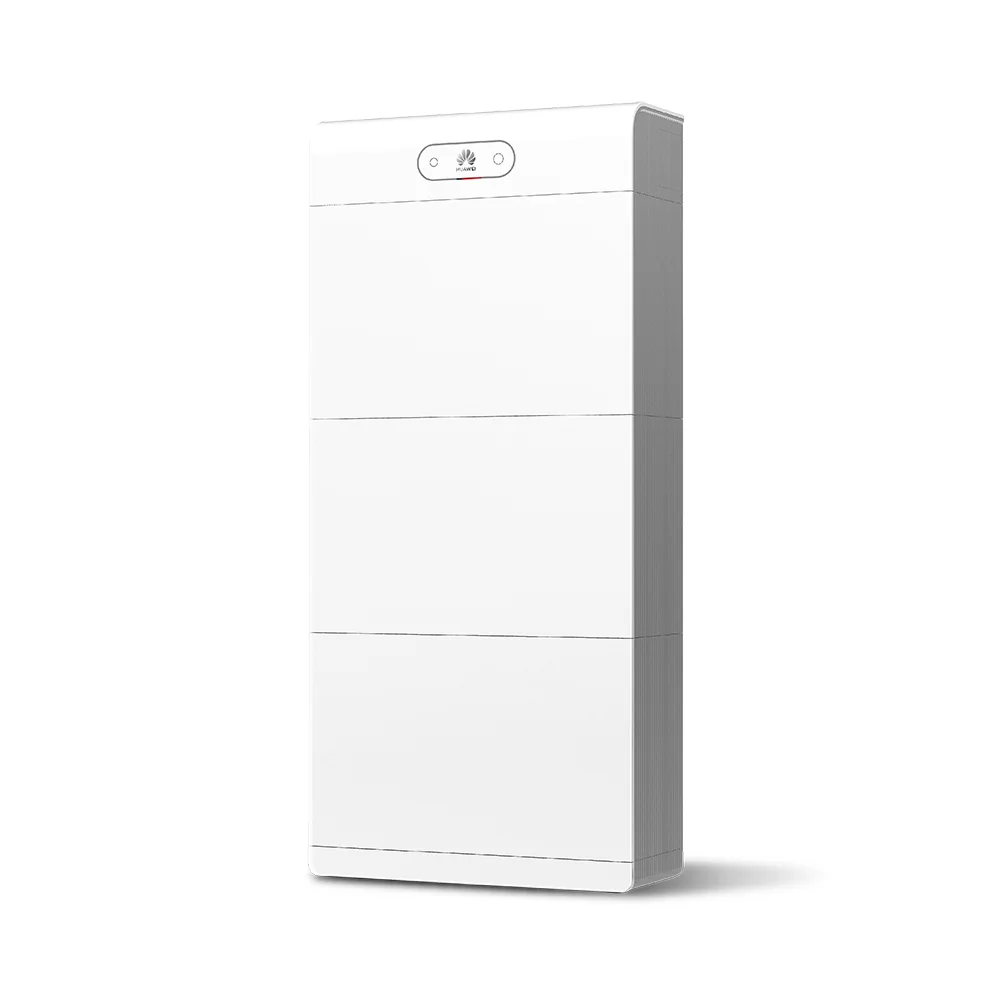
Two high-voltage LFP batteries of different size: 10.24 kWh usable for the BYD, 6.9 for the Huawei. The LUNA2000-7-S1 is sized for an apartment or a small system, the BYD for a house that uses more; either way the inverter matters, open to sixteen brands for the BYD and limited to SUN2000 and SUN5000 for the Huawei. Values as declared by the manufacturers.
| Parameter | ||
|---|---|---|
| In brief | ||
| Usable capacity | 10.24 kWh | 6.9 kWh |
| Cell chemistry | LFP (lithium iron phosphate) | LFP (lithium iron phosphate) |
| Cost per kWh | — | 521.74 €/kWh |
| List price | — | 3600 € |
| Weight | 167 kg | 80 kg |
| Dimensions (W×D×H) | 58.5 × 29.8 × 122.8 cm | 59 × 25.5 × 51 cm |
| How long it lasts | ||
| Battery life cycles | 3010 cicli | 1825 cicli |
| The limit that runs out first | energia garantita | anni di garanzia |
| Rated cycles | 3650 cicli | 5000 cicli |
| Capacity at end of cycle life | — | 80 % |
| Warranty | 10 anni | 5 anni |
| Guaranteed throughput | 30.82 MWh | 28.84 MWh |
| Guaranteed remaining capacity | 60 % | 60 % |
| The numbers | ||
| Cost of stored energy | — | 0.286 €/kWh |
| Energy density | 61.3 Wh/kg | 86.2 Wh/kg |
| Identity | ||
| Use tier | F4 — House-sized (8–20 kWh) | F3 — Flat-sized (3–8 kWh) |
| Price | ||
| Price | — | ~2200–5000 € |
| Category specs | ||
| Depth of discharge | 100 % | 100 % |
| Expandable | Yes | Yes |
| Maximum expanded capacity | 38.4 kWh | — |
| Battery voltage | 409.6 V | — |
| Declared compatible inverters | Sedici marchi nell'elenco ufficiale: Fronius, GoodWe, Viessmann, KOSTAL, SMA, Sungrow, GE, KACO, KACO NH, Ingeteam, Solis, Canadian Solar, Deye, Solplanet, Western CO, Sosen. Per ciascun modello l'elenco dà il numero di moduli ammessi e la versione minima del firmware. | Solo inverter Huawei — SUN2000-2/3/3.68/4/4.6/5/6KTL-L1, SUN2000-3/3.68/4/4.6/5/6K-LB0, SUN2000-8/10K-LC0, SUN2000-3/4/5/6/8/10KTL-M1, SUN2000-5/6/8/10/12K-MAP0, SUN2000-12/15/17/20/25K-MB0, SUN5000-3/6K-LB0, SUN5000-8/12K-MAP0, SUN5000-17/25K-MB0 |
| Maximum charge power | — | 3.5 kW |
| Grid charging | — | Yes |
| Round-trip efficiency | 96 % | — |
| Ingress protection | IP55 | IP66 |
| Mounting | Floor standing | Floor standing |
| Minimum temperature | -10 °C | -20 °C |
| Maximum temperature | 50 °C | 55 °C |
| Noise level | — | 29 dB |
| Works without internet | Fully | With limitations |
| Local control | Local network | — |
| Open protocols | CAN bus | — |
| Remote updates | Can be disabled | — |
| App required for setup | Yes | Yes |
| Declared standards | CE, UN 38.3, IEC 62619, VDE 2510-50 | CE, UN 38.3, IEC 62619 |
The differences that matter
- Warranty: 10 years versus 5, with nearly the same energy cap (30.82 MWh versus 28.84 MWh) → duration separates them: at one full cycle a day the BYD is covered for about 8 years, the Huawei for 5.
- Weight and height: 167 kg and 122.8 cm versus 80 kg and 51 cm → the Huawei fits a low bay and is easier to move, the BYD needs a bay over a metre tall.
- Inverter: sixteen brands on BYD's list versus only Huawei SUN2000 and SUN5000 → with the BYD you keep your inverter or change it later; with the Huawei, battery and inverter are chosen together.
Which one to choose
Choose BYD Battery-Box Premium HVS 10.2 if…
the house uses more than a 7 kWh battery holds and the inverter is from BYD's list. You get over 3 kWh more and, if the connection drops, the battery keeps working fully. You pay for it in weight and height: 167 kg and 122.8 cm, rated IP55 instead of IP66.
Choose Huawei LUNA2000-7-S1 if…
the bay is 51 cm tall and the inverter is already a Huawei SUN2000 or SUN5000: the LUNA2000-7-S1 weighs 80 kg, is rated IP66 and for operation down to −20 °C. You give up over 3 kWh of usable energy and any inverter from another brand; without internet it runs in a reduced mode.
Where to buy
The purchase links are the same as on the two product pages and don't influence the verdict. The product pages have the complete data.