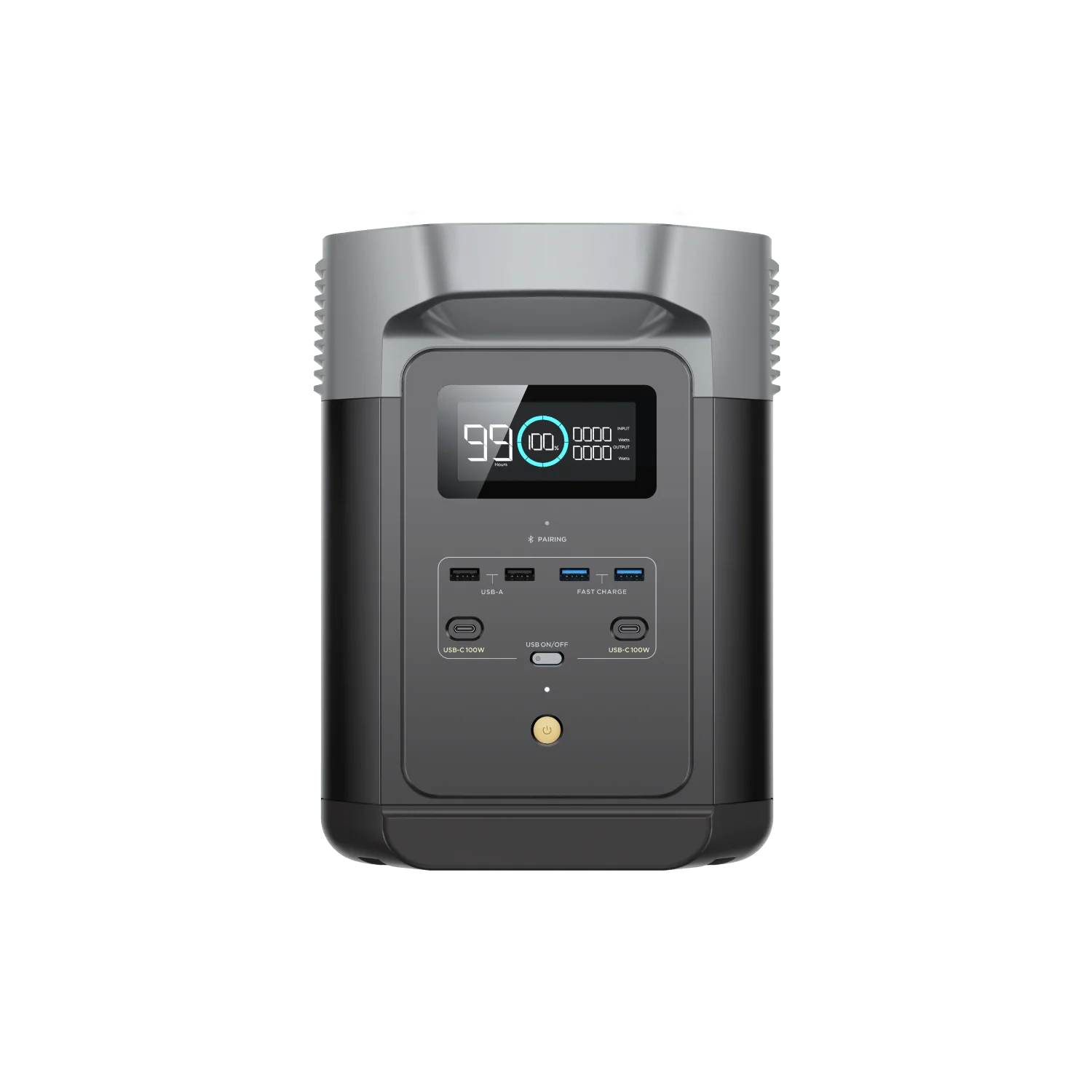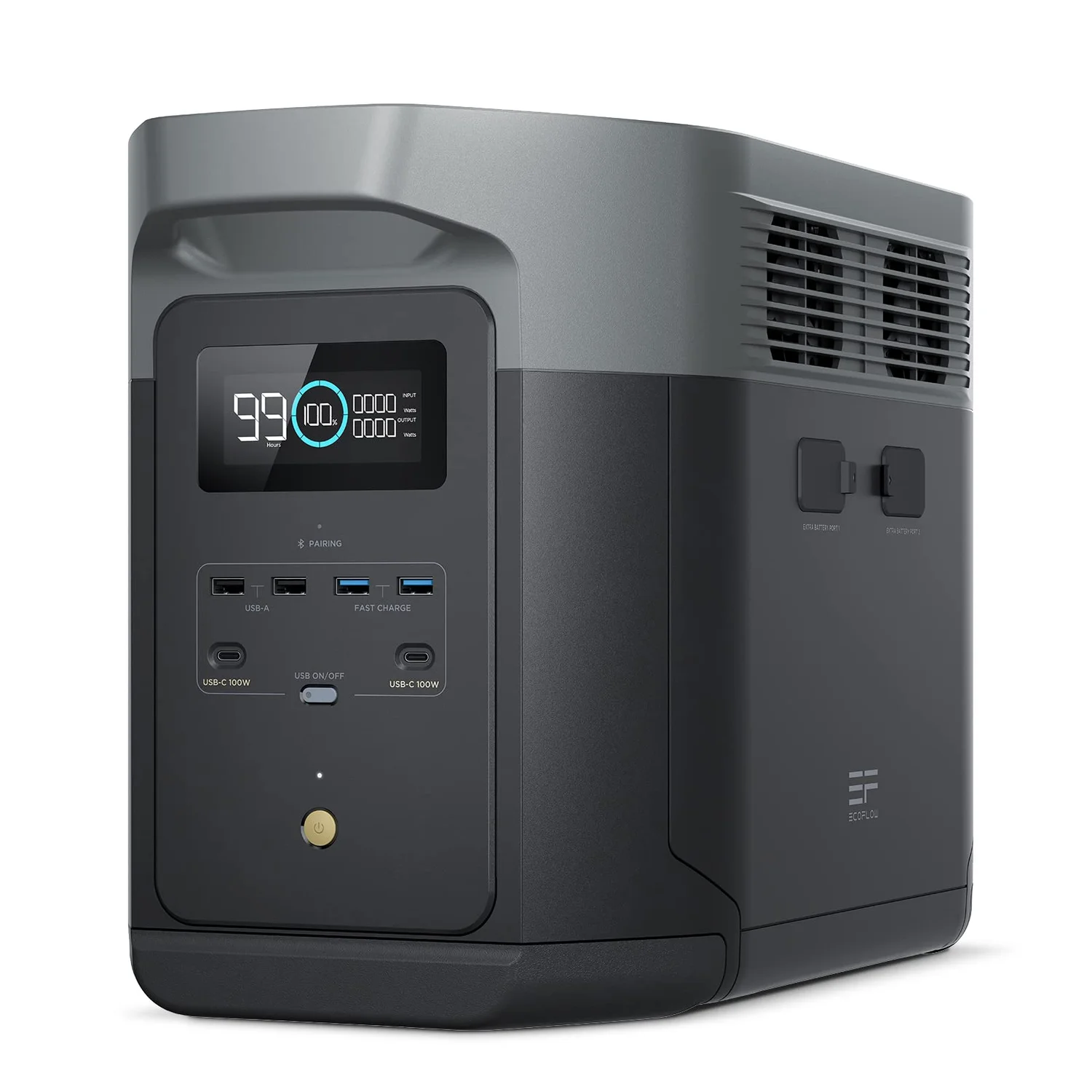
Zendure SuperBase V 4600 — Home backup
Zendure SuperBase V 4600

Photo from the manufacturer

Home backup F3 · Flat-sized (3–8 kWh)

Zendure Zendure SuperBase V 4600

Price
Not available

JouleSpecs does not sell and does not show shop prices: check the price where you buy.

Where to buy

Check the price on Amazon

Paid link: the price for you does not change.

As an Amazon Associate I earn from qualifying purchases.

Data from official source

Zendure SuperBase V4600 is a large-capacity portable power station with lithium iron phosphate cells, mounted on wheels to move like a heavy trolley rather than carry by hand. When power fails it switches to the battery in under about twenty milliseconds, so devices connected to its output don't turn off or restart.

It charges from a solar panel or from a DC source through a single input port, capable of accepting a lot of power, and powers several home appliances together - from the fridge to an induction cooktop - while staying something that moves from room to room, thanks to six AC outlets already on board. A setting in the app allows exceeding the rated output power for a period when needed, though it isn't built to power sensitive precision instruments affected by voltage variations. It grows by connecting dedicated satellite batteries when the starting capacity isn't enough anymore, or by pairing a second identical unit to double the available current.

It's built for anyone who wants the autonomy of a home storage system without installation work - a second home, a blackout that lasts hours, a job site far from the grid - not for anyone looking for something to carry in a backpack or car every day.

JouleSpecs Awards

Most capable Flat-sized (3–8 kWh) · Home backup

Highest technical score among the 6 sheets in the Home backup category (flat-sized tier): 84/100.

How we assign awards →
01 · Verified data

Technical specifications

Cell chemistry LFP (lithium iron phosphate)
Continuous output 3800 W
Round-trip efficiency Zendure does not state it.

where we looked

Standby consumption Zendure does not state it.

where we looked

Parameter Value Source
Weight 55.0 kg (121.3 lb) manufacturer website
Nominal capacity 4.608 kWh Declared by the brand
Cell chemistry LFP (lithium iron phosphate) Declared by the brand
Expandable Yes Declared by the brand
Continuous output 3800 W Declared by the brand
Peak output 5000 W Declared by the brand
AC outlets 6 Declared by the brand
Fastest USB-C 100 W Declared by the brand
Maximum charge power 4.608 kW Declared by the brand
Maximum solar input 3000 W Declared by the brand
Backup power UPS Declared by the brand
Switchover time 13 ms Declared by the brand
Rated cycles 6000 cicli Declared by the brand
Warranty 3 anni Declared by the brand
Declared standards CE Declared by the brand
Usable capacity — Not declared
Depth of discharge — Not declared
Cell supplier — Not declared
Maximum expanded capacity — Not declared
Peak duration — Not declared
0–80% charge time — Not declared
Capacity at end of cycle life — Not declared
Guaranteed throughput — Not declared
Guaranteed remaining capacity — Not declared
Round-trip efficiency — Not declared
Standby consumption — Not declared
Ingress protection — Not declared
Mounting — Not declared
Minimum temperature — Not declared
Maximum temperature — Not declared
Cell heating — Not declared
Noise level — Not declared
Wheels and handle — Not declared
Works without internet — Not declared
Local control — Not declared
Open protocols — Not declared
Home Assistant integration — Not declared
Where the data is hosted — Not declared
Remote updates — Not declared
App required for setup — Not declared

Which documents this page rests on

The rest of the data comes from one page on the manufacturer's site, cited row by row in the table above.

A manual or a datasheet counts as a source even when the original file is hosted elsewhere: what matters is the document, not the server. Where that happens, it is stated above.

02 · The numbers

What it really costs

Battery life cycles 1095 cycles warranty years
  • the manufacturer does not state the guaranteed total energy throughput, which for heavy users is often the limit that runs out first
How we worked it out
stated cycles
6000
warranty years
1095
Energy density 83.800 Wh/kg
  • on nominal capacity: the manufacturer does not state the usable figure, so the true number is lower
How we worked it out
nominal capacity
4.608
weight
55
Power-to-capacity ratio 0.820 C
  • on nominal capacity: the manufacturer does not state the usable figure, so the true number is lower
How we worked it out
continuous power
3800
nominal capacity
4.608

These numbers are calculated, not stated: they have no source to cite, they have a formula you can redo. The price used is the manufacturer's list price, which is stable and the same in every country — not a shop's price on the day.

03 · Summary

Pros and cons

In favour

  • When power fails it switches to the battery so fast that sensitive connected devices don't restart.
  • It grows with additional satellite batteries when the starting capacity isn't enough anymore, without having to change the main unit.
  • It accepts a lot of charging power from a single port, both from the grid and from the sun, so a full charge takes less time.
  • It charges laptops and other high-power USB-C devices directly from the front panel, with no need for a separate charger.

Worth knowing

  • It's over fifty kilos: it moves on wheels, but it isn't easily lifted or carried by hand. source
  • The satellite batteries that increase capacity are bought separately, and aren't included in the base package.
  • It's over seventy centimeters long: even with wheels, it doesn't fit through every hallway or trunk. source
If not this one

Alternatives in the catalogue

Chosen by the declared use tier and footprint, not by price: we don't publish prices.