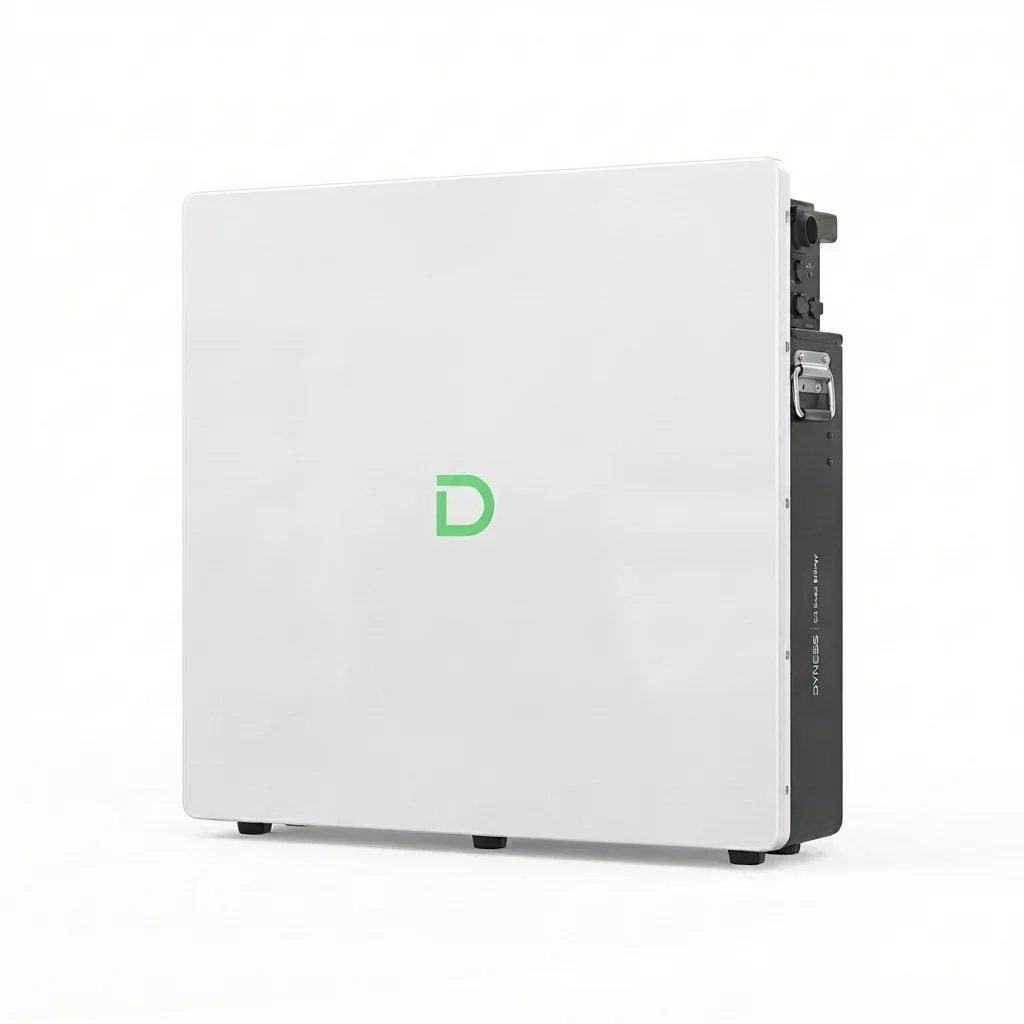
Dyness AquaVolt — AC-coupled, no panels
Dyness AquaVolt

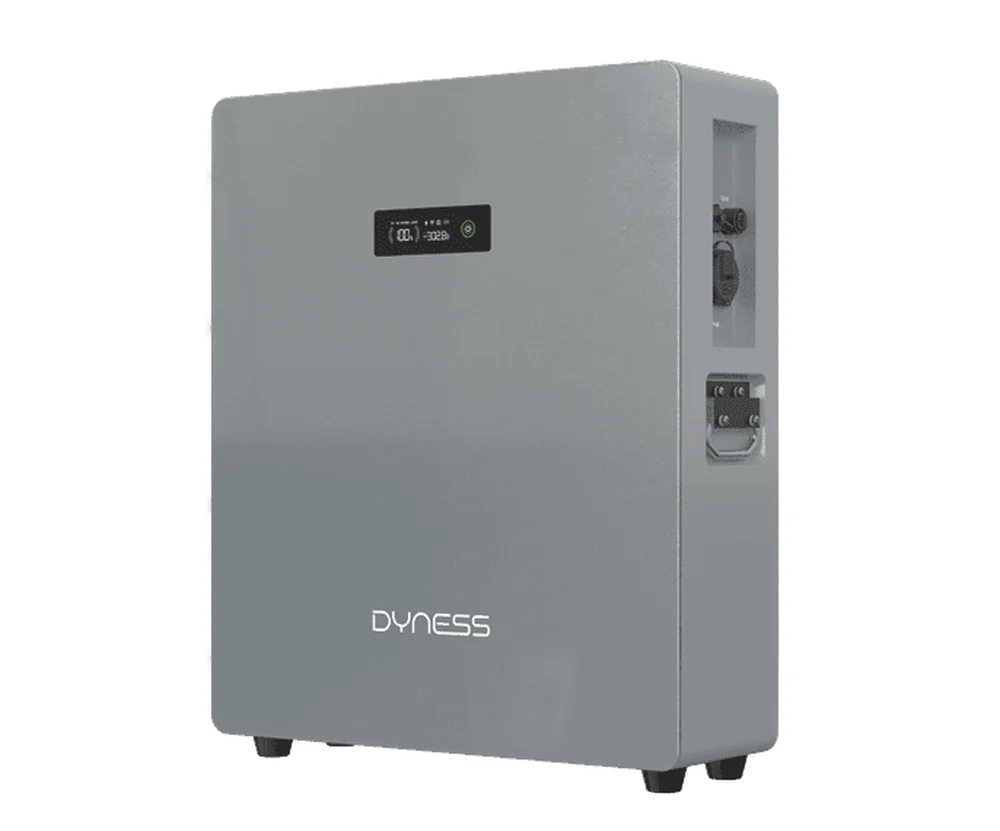
Photo from the manufacturer

AC-coupled, no panels F2 · Room-sized (1–3 kWh)

Dyness AquaVolt

Price
Not available

JouleSpecs does not sell and does not show shop prices: check the price where you buy.

Sheet on the Dyness website →
Add to my system
Data from official source

The Dyness AquaVolt is an AC-coupled home energy storage system with LiFePO4 cells and 5.12 kWh of nominal energy. It can be added to an existing photovoltaic system and works with 99% of PV inverters and microinverters. It has a plug-in output for essential household devices and, when the grid is down, switches to emergency power within 10 ms. Management relies on a P1 meter, an IR Reader or a smart meter, and includes scheduling by time-of-use periods and dynamic tariffs. Installation is plug and play, suited also to those who do it themselves. Protection is IP65 and communication runs over Wi-Fi, Bluetooth, LAN and RS485. Service life is at least 8000 cycles.

JouleSpecs Awards

Most capable Room-sized (1–3 kWh) · AC-coupled, no panels

Highest technical score among the 5 sheets in the AC-coupled, no panels category (room-sized tier): 75/100.

How we assign awards →
01 · Verified data

Technical specifications

Cell chemistry LFP (lithium iron phosphate)
Parameter Value Source
Dimensions 56 × 18.5 × 65 cm (22.0 × 7.3 × 25.6 in) manufacturer website
Weight 65.0 kg (143.3 lb) manufacturer website
Nominal capacity 5.12 kWh Compiled by editorial team
Depth of discharge 95 % Compiled by editorial team
Cell chemistry LFP (lithium iron phosphate) Compiled by editorial team
Backup output 3600 W Compiled by editorial team
Switchover time 10 ms Compiled by editorial team
Rated cycles 8000 cicli Compiled by editorial team
Ingress protection IP65 Compiled by editorial team
Minimum temperature -20 °C Compiled by editorial team
Maximum temperature 55 °C Compiled by editorial team
02 · The numbers

What it really costs

Battery life cycles 8000 cycles stated cycles
  • the manufacturer does not state the warranty: the limit could be shorter than the stated cycles
  • the manufacturer does not state the guaranteed total energy throughput, which for heavy users is often the limit that runs out first
How we worked it out
stated cycles
8000
Energy density 78.800 Wh/kg
  • on nominal capacity: the manufacturer does not state the usable figure, so the true number is lower
How we worked it out
nominal capacity
5.120
weight
65

These numbers are calculated, not stated: they have no source to cite, they have a formula you can redo. The price used is the manufacturer's list price, which is stable and the same in every country — not a shop's price on the day.

03 · Summary

Pros and cons

In favour

  • It pairs with 99% of PV inverters and microinverters, so it can be added to an already installed system. source
  • When the grid goes down it switches to emergency power within 10 ms.
  • The IP65 rating protects against dust and water.
  • The LiFePO4 cells have a service life of at least 8000 cycles.

Worth knowing

  • With 5.12 kWh nominal, a household with high evening consumption may drain the battery before the evening is over.
Updates to this sheet and Manufacturer Notes
  1. Sheet published
  2. Specifications updated: immagine, foto candidate, peso, dimensioni,