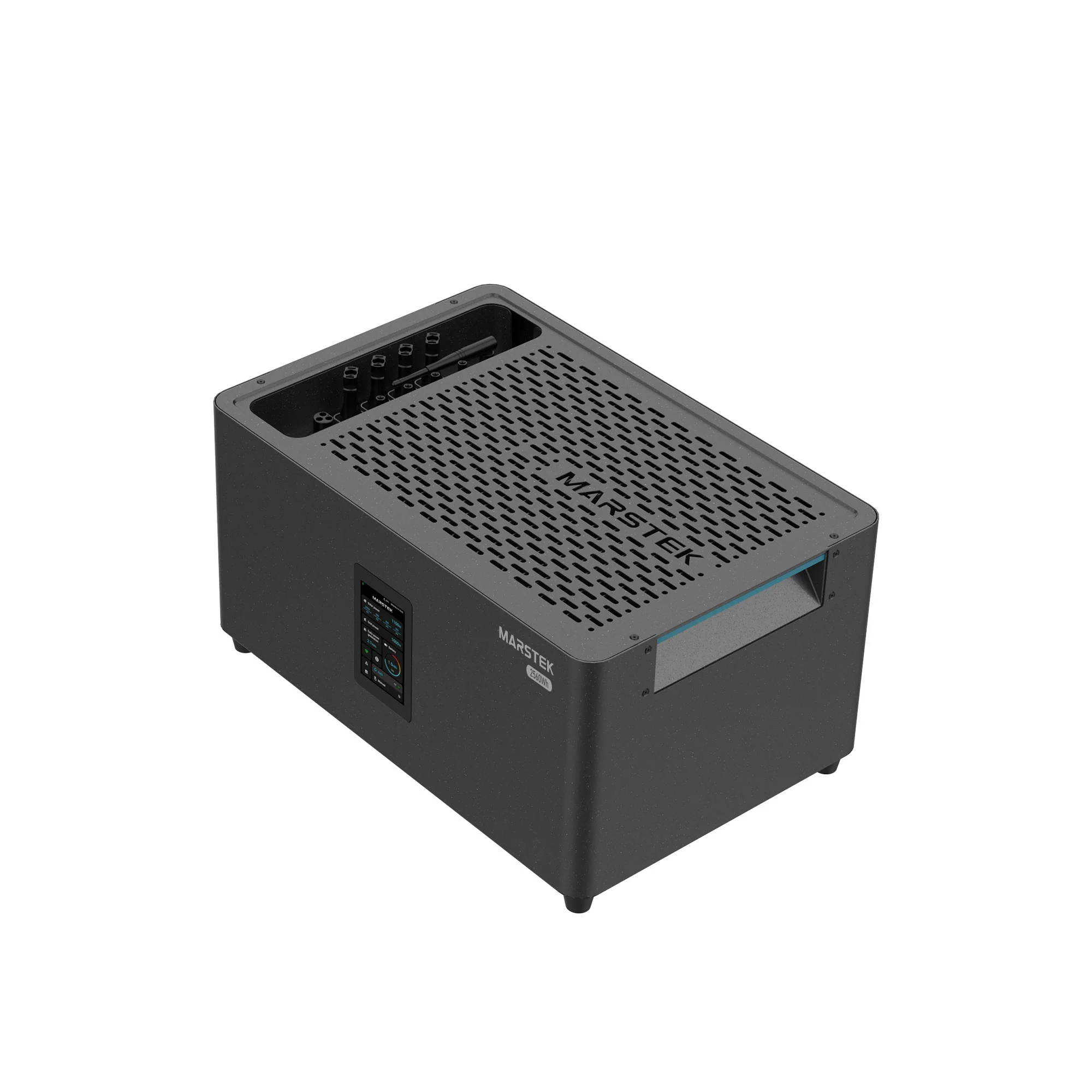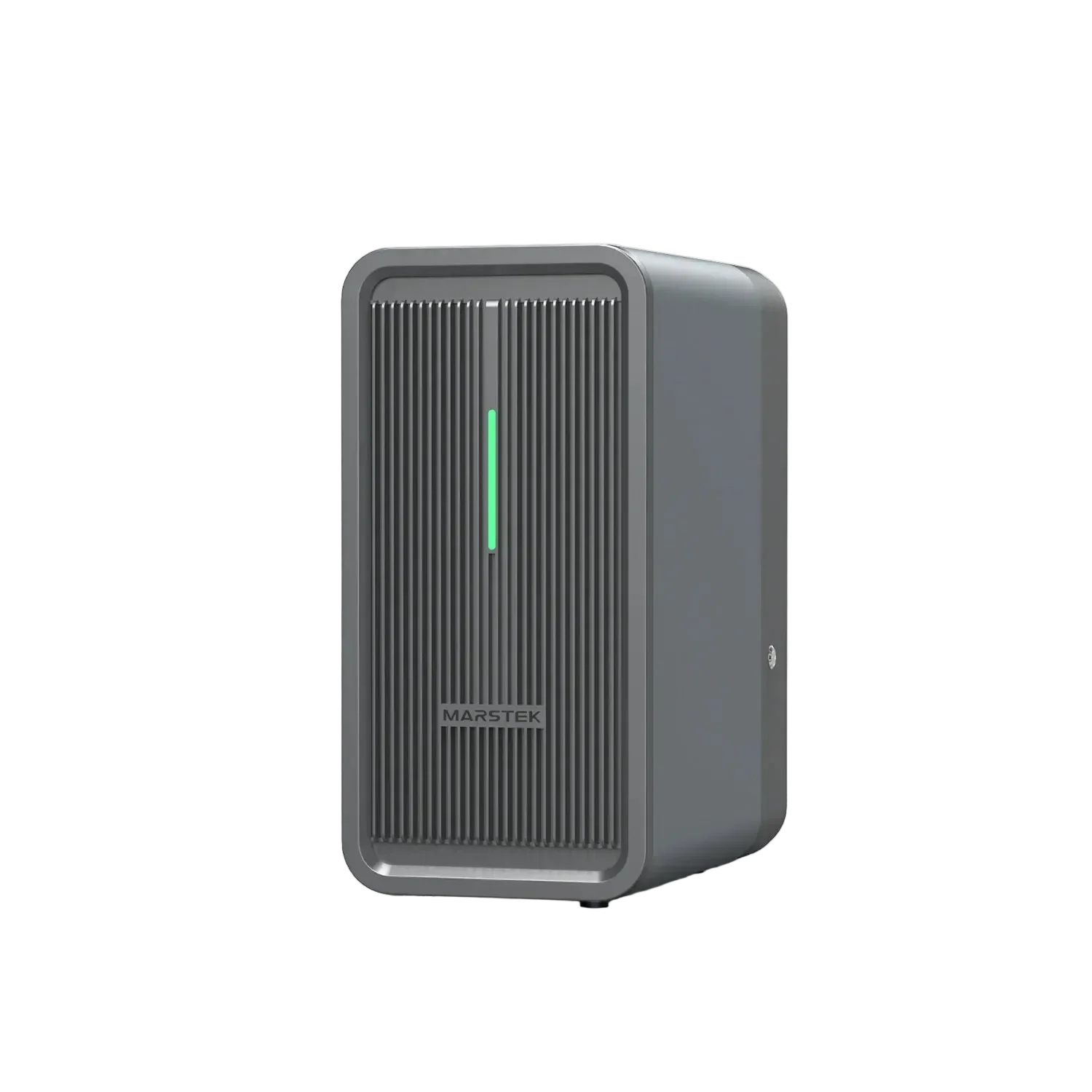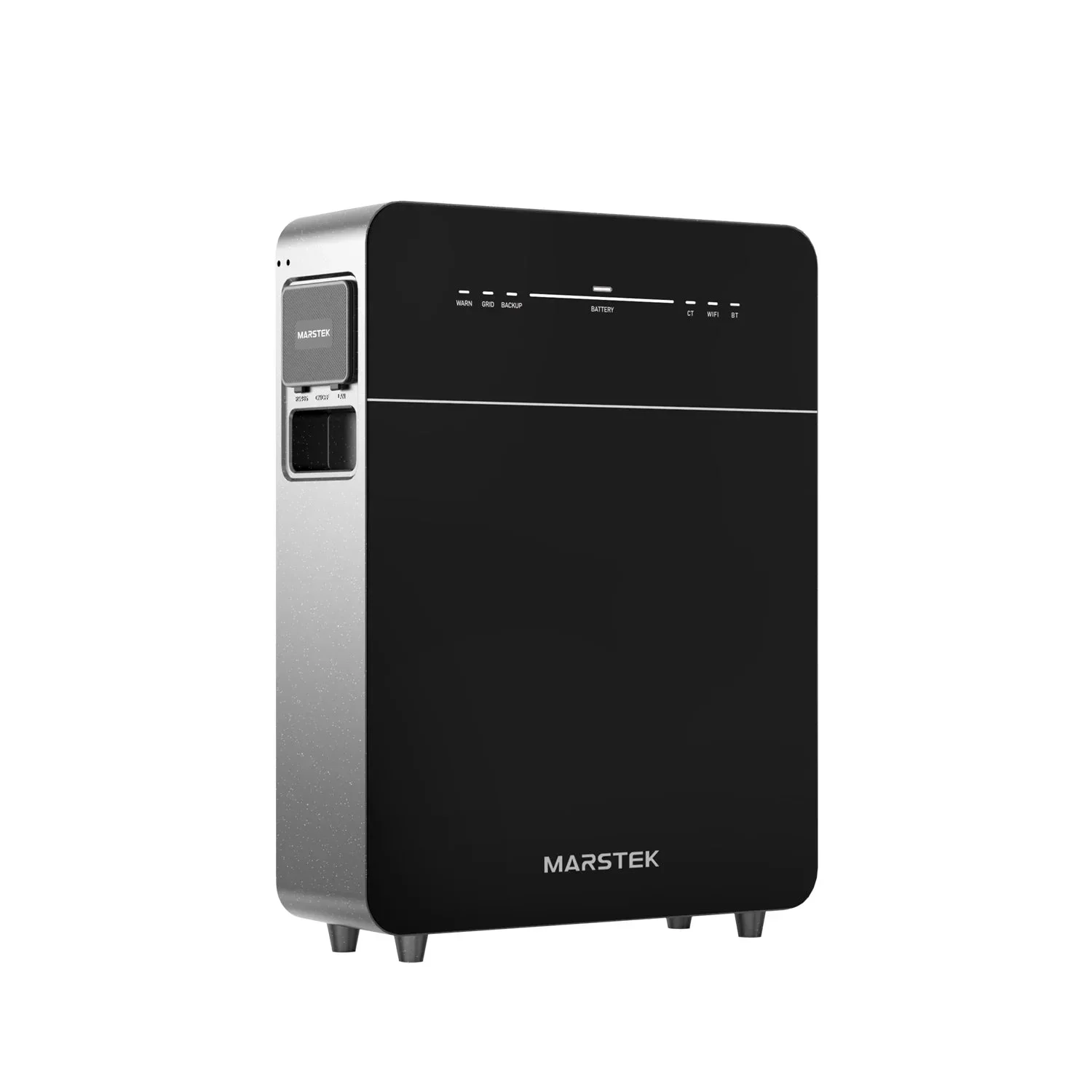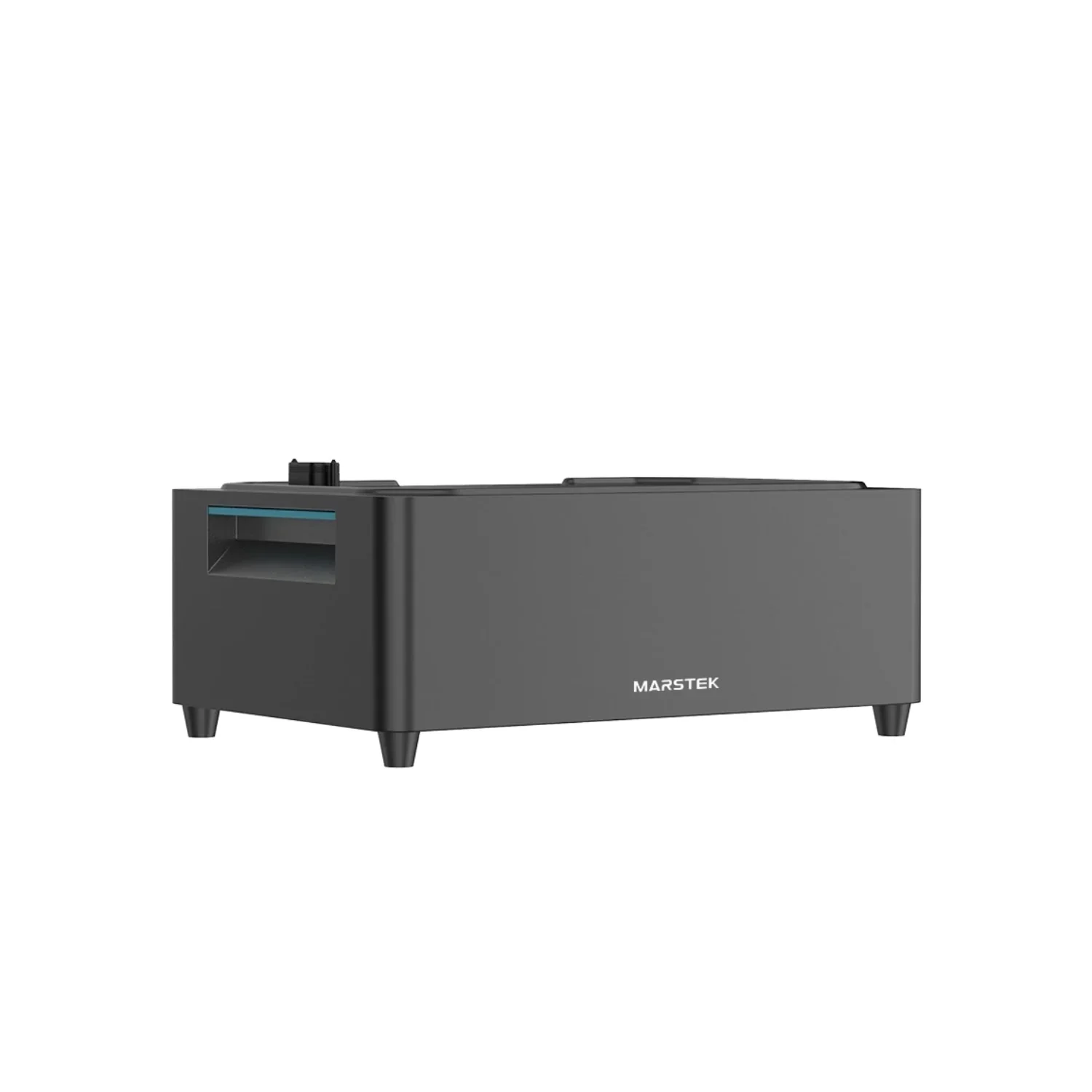
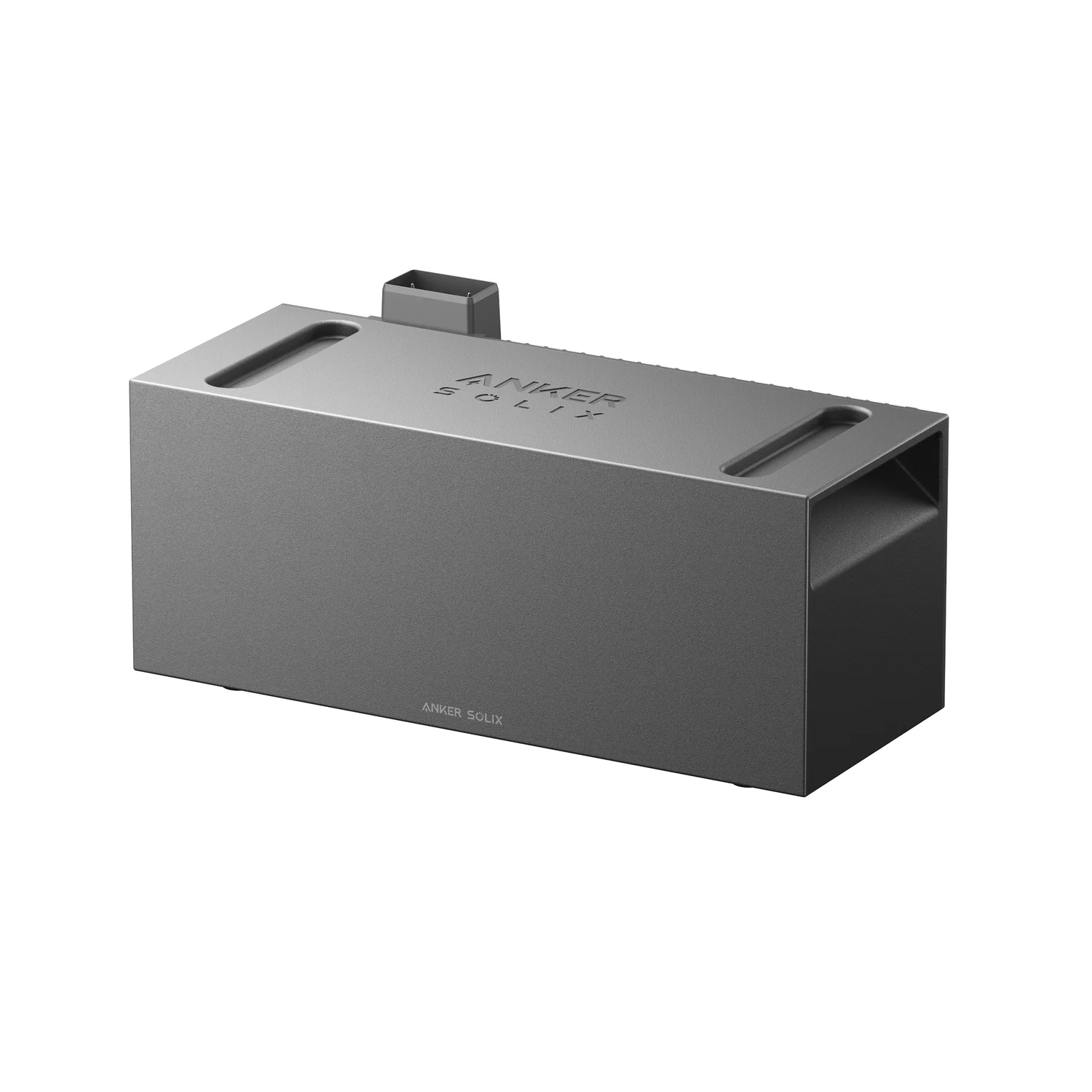
Marstek Jupiter C Plus Erweiterungsakku — Expansion batteries
Marstek Jupiter C Plus Erweiterungsakku MST-JUPITER-CPLUS-SLAVE

Photo from the manufacturer

Expansion batteries F2 · Room-sized (1–3 kWh)

Marstek Jupiter C Plus Erweiterungsakku

Price
Not available

JouleSpecs does not sell and does not show shop prices: check the price where you buy.

Sheet on the Marstek website →
Add to my system
Data from official source

MARSTEK Jupiter C Plus Erweiterungsakku is the Jupiter C Plus's expansion battery: up to three expansion batteries per system can be added by stacking them, reaching 10.24 kWh in total. Each module has a capacity of 2.56 kWh with lithium iron phosphate (LiFePO4) cells.

It has an IP65 protection rating and works from −20 to +60 °C.

01 · Verified data

Technical specifications

Cell chemistry LFP (lithium iron phosphate)
Round-trip efficiency Marstek does not state it.

where we looked

Standby consumption Marstek does not state it.

where we looked

Parameter Value Source
Dimensions 48 × 32 × 16.5 cm (18.9 × 12.6 × 6.5 in) manufacturer website
Weight 22.5 kg (49.6 lb) manufacturer website
Compatible models MARSTEK Jupiter C Plus All-in-One Declared by the brand
Nominal capacity 2.56 kWh Declared by the brand
Cell chemistry LFP (lithium iron phosphate) Declared by the brand
Expandable Yes Declared by the brand
Rated cycles 6000 cicli Declared by the brand
Warranty 10 anni Declared by the brand
Ingress protection IP65 Declared by the brand
Minimum temperature -20 °C Declared by the brand
Maximum temperature 60 °C Declared by the brand
Usable capacity — Not declared
Depth of discharge — Not declared
Cell supplier — Not declared
Maximum expanded capacity — Not declared
Battery voltage — Not declared
Feed-in limit — Not declared
Inverter included — Not declared
Maximum solar input — Not declared
MPPT trackers — Not declared
Grid charging — Not declared
Maximum charge power — Not declared
Dynamic tariffs — Not declared
Backup power — Not declared
Backup output — Not declared
Switchover time — Not declared
Capacity at end of cycle life — Not declared
Guaranteed throughput — Not declared
Guaranteed remaining capacity — Not declared
Round-trip efficiency — Not declared
Standby consumption — Not declared
Mounting — Not declared
Cell heating — Not declared
Noise level — Not declared
Works without internet — Not declared
Local control — Not declared
Open protocols — Not declared
Home Assistant integration — Not declared
Where the data is hosted — Not declared
Remote updates — Not declared
App required for setup — Not declared
Declared standards — Not declared
Battery passport — Not declared
Carbon footprint — Not declared
Recycled content — Not declared
Official list price — Not declared

Which documents this page rests on

The rest of the data comes from one page on the manufacturer's site, cited row by row in the table above.

A manual or a datasheet counts as a source even when the original file is hosted elsewhere: what matters is the document, not the server. Where that happens, it is stated above.

02 · The numbers

What it really costs

Battery life cycles 3650 cycles warranty years
  • the manufacturer does not state the guaranteed total energy throughput, which for heavy users is often the limit that runs out first
How we worked it out
stated cycles
6000
warranty years
3650
Energy density 113.800 Wh/kg
  • on nominal capacity: the manufacturer does not state the usable figure, so the true number is lower
How we worked it out
nominal capacity
2.560
weight
22.500

These numbers are calculated, not stated: they have no source to cite, they have a formula you can redo. The price used is the manufacturer's list price, which is stable and the same in every country — not a shop's price on the day.

03 · Summary

Pros and cons

In favour

  • Up to three expansion batteries can be added per system.
  • With three expansion batteries the system reaches 10.24 kWh in total.
  • It has an IP65 protection rating and works from −20 to +60 °C.

Worth knowing

  • It is made for the Jupiter C Plus alone: it can't be used to expand another storage system.
  • The system stops at three expansion batteries: anyone needing more capacity can't grow beyond 10.24 kWh.
  • Each module adds 2.56 kWh: anyone needing an intermediate capacity has to choose between steps of this size.
Updates to this sheet and Manufacturer Notes
  1. Sheet published Specifications updated: nome