AC-coupled, no panels
EcoFlow · EFSTREAMAC800W-EU
EcoFlow STREAM AC
Capacity
1.92 kWh
JouleSpecs does not sell and does not show shop prices: check the price where you buy.
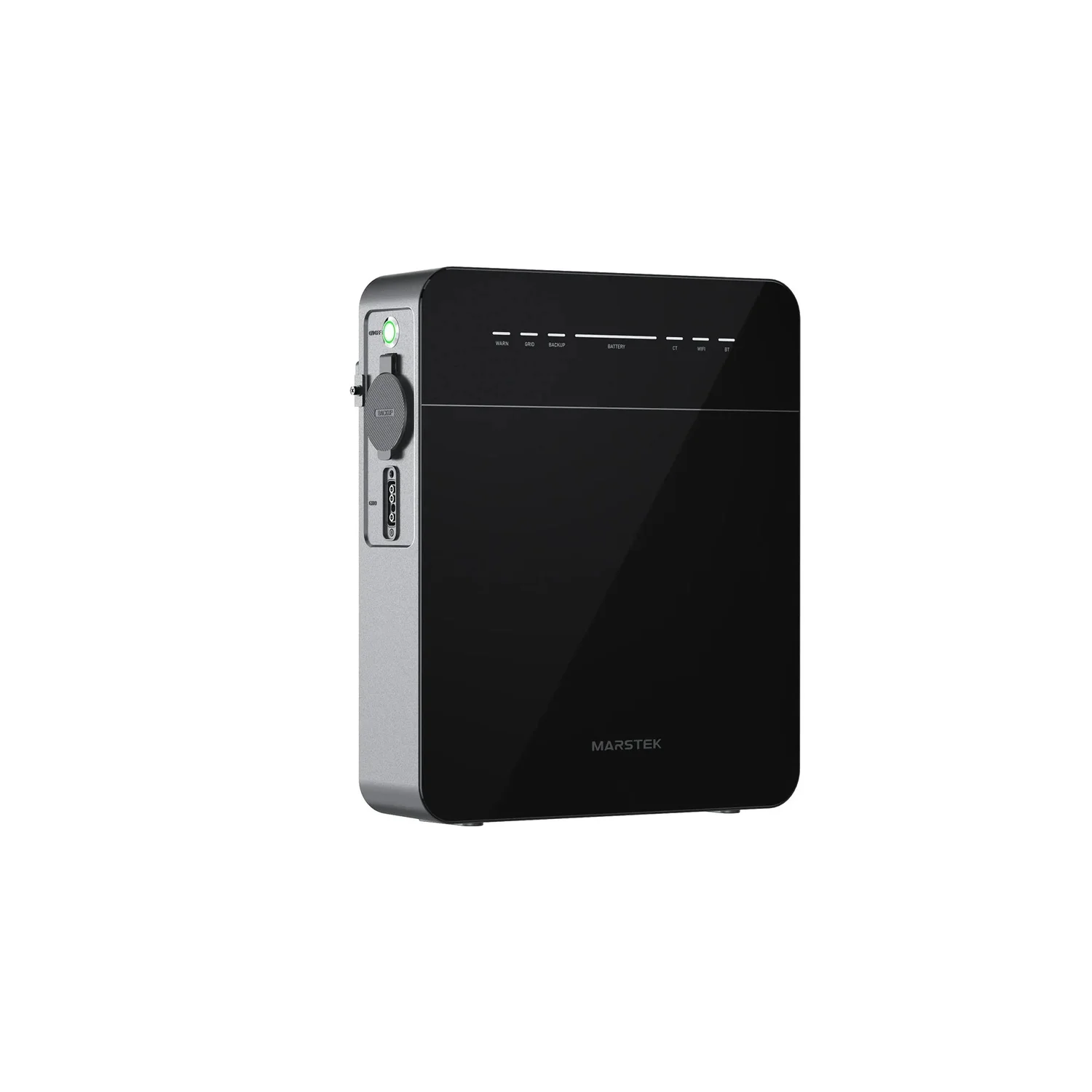
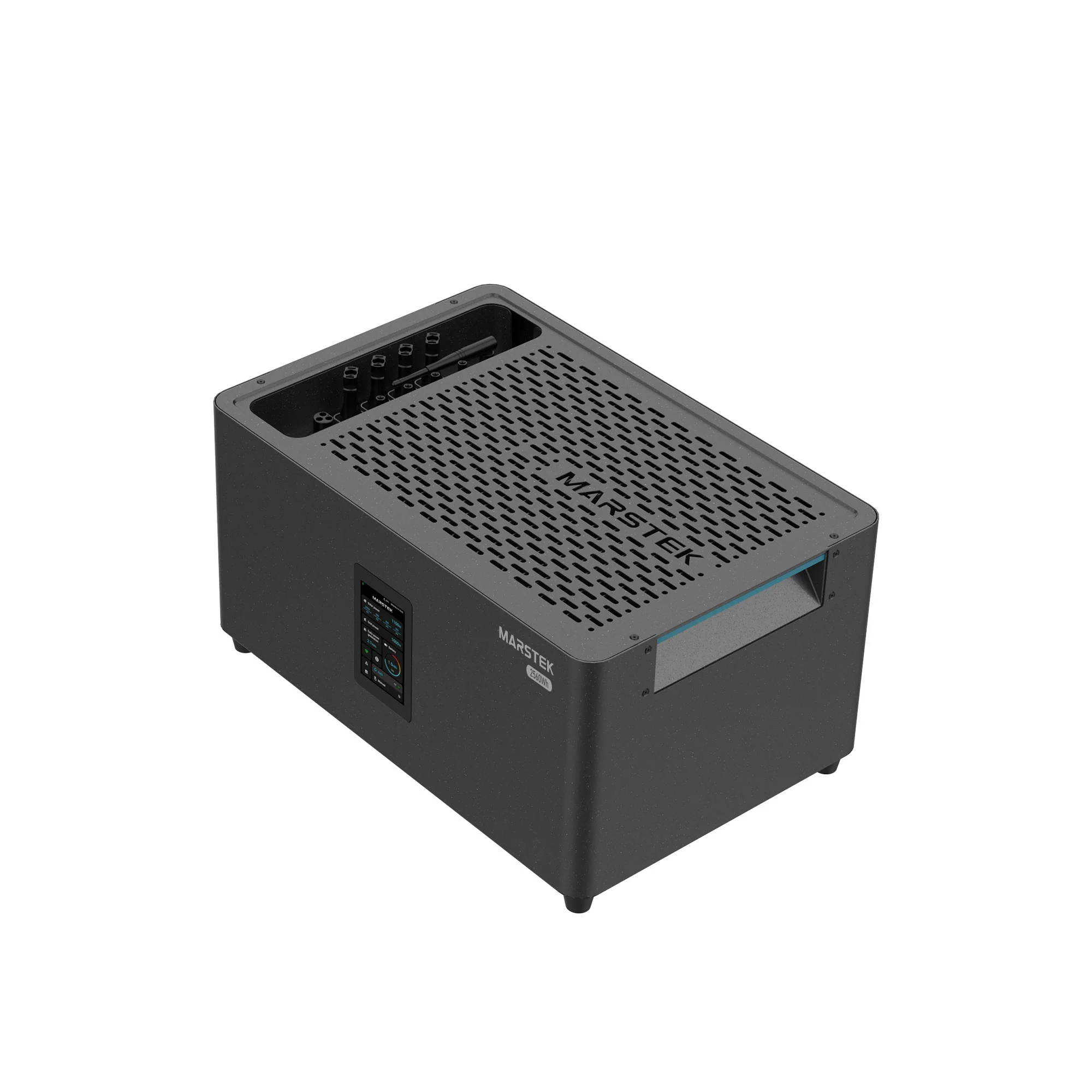
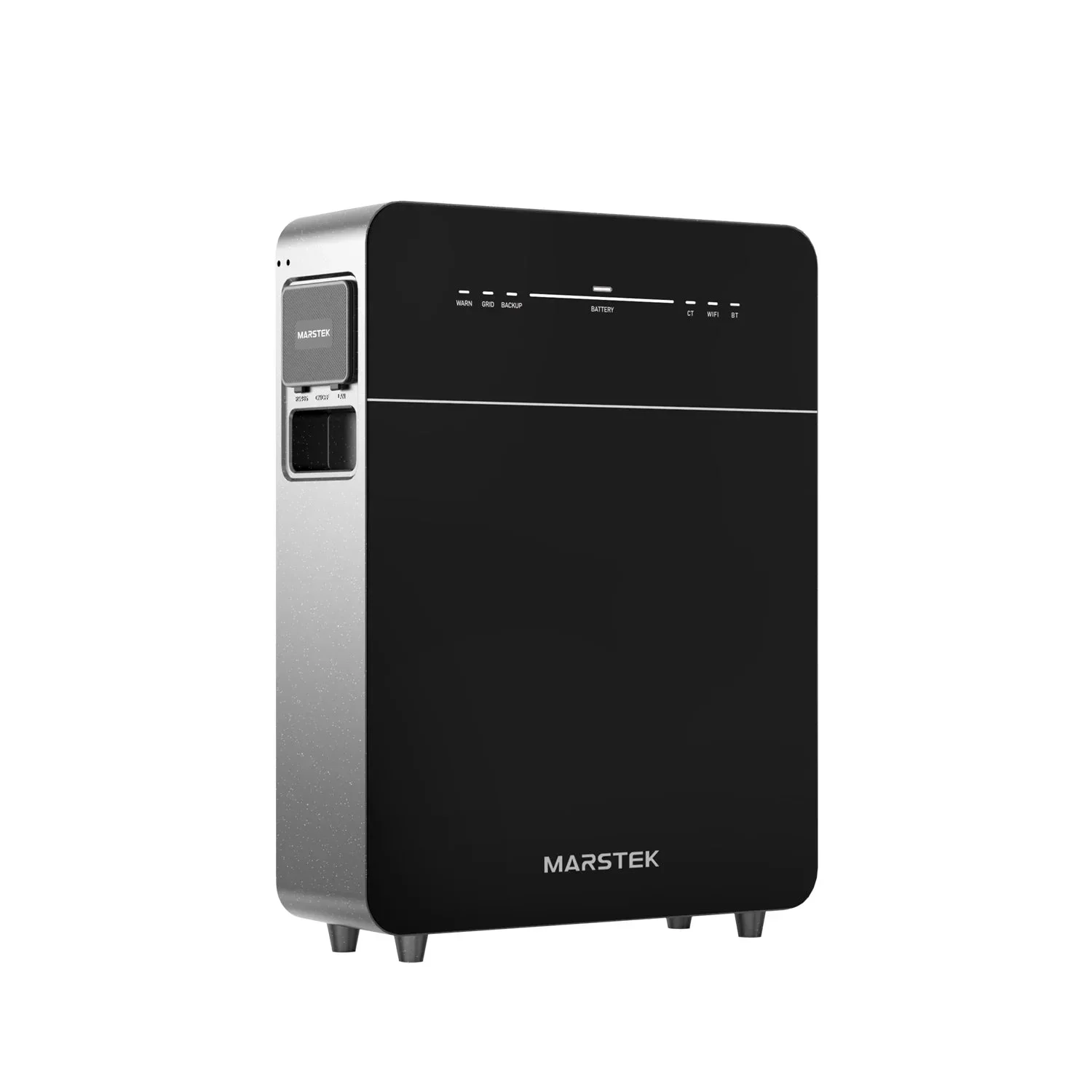
MARSTEK Venus E Gen 3.0 is a balcony storage unit that connects on AC: it has no inputs for panels, it plugs in downstream of a solar system, or directly into a home outlet, and exchanges energy with the grid from there. Up to three units connect together.
From the app you choose how it works: by consumption, following a meter; by schedule, set by the user; or following the price of energy, to charge during the cheapest hours and give back during the expensive ones. When the grid fails, a separate outlet keeps giving power. Toward the home it feeds in within the simplified threshold by default; a higher output is a separate mode.
It's for anyone who already has a wired solar system and wants to add storage with no construction work, or for anyone on an hourly tariff. It isn't for anyone wanting to attach panels directly to the battery.
official manufacturer list price — on nominal capacity
| Parameter | Value | Source |
|---|---|---|
| Dimensions | 48 × 15.3 × 62.4 cm (18.9 × 6.0 × 24.6 in) | manufacturer website |
| Weight | 60.0 kg (132.3 lb) | manufacturer website |
| Nominal capacity | 5.12 kWh | Declared by the brand |
| Depth of discharge | 90 % | Declared by the brand |
| Cell chemistry | LFP (lithium iron phosphate) | Declared by the brand |
| Expandable | Yes | Declared by the brand |
| Maximum expanded capacity | 15.36 kWh | Declared by the brand |
| Battery voltage | 51.2 V | Declared by the brand |
| Feed-in limit | 800 VA | Declared by the brand |
| Grid charging | Yes | Declared by the brand |
| Maximum charge power | 2.5 kW | Declared by the brand |
| Dynamic tariffs | Built in | Declared by the brand |
| Backup power | EPS (brief interruption) | Declared by the brand |
| Backup output | 2500 W | Declared by the brand |
| Rated cycles | 6000 cicli | Declared by the brand |
| Warranty | 10 anni | Declared by the brand |
| Round-trip efficiency | 93.5 % | Declared by the brand |
| Ingress protection | IP65 | Declared by the brand |
| Minimum temperature | -20 °C | Declared by the brand |
| Maximum temperature | 55 °C | Declared by the brand |
| Declared standards | EN 50549, IEC 62477 | Declared by the brand |
| Official list price | 1999 € | Declared by the brand |
| Usable capacity | — | Not declared |
| Cell supplier | — | Not declared |
| Inverter included | — | Not declared |
| Maximum solar input | — | Not declared |
| MPPT trackers | — | Not declared |
| Switchover time | — | Not declared |
| Capacity at end of cycle life | — | Not declared |
| Guaranteed throughput | — | Not declared |
| Guaranteed remaining capacity | — | Not declared |
| Standby consumption | — | Not declared |
| Mounting | — | Not declared |
| Cell heating | — | Not declared |
| Noise level | — | Not declared |
| Works without internet | — | Not declared |
| Local control | — | Not declared |
| Open protocols | — | Not declared |
| Home Assistant integration | — | Not declared |
| Where the data is hosted | — | Not declared |
| Remote updates | — | Not declared |
| App required for setup | — | Not declared |
| Battery passport | — | Not declared |
| Carbon footprint | — | Not declared |
| Recycled content | — | Not declared |
The rest of the data comes from 3 pages on the manufacturer's site, cited row by row in the table above.
A manual or a datasheet counts as a source even when the original file is hosted elsewhere: what matters is the document, not the server. Where that happens, it is stated above.
These numbers are calculated, not stated: they have no source to cite, they have a formula you can redo. The price used is the manufacturer's list price, which is stable and the same in every country — not a shop's price on the day.