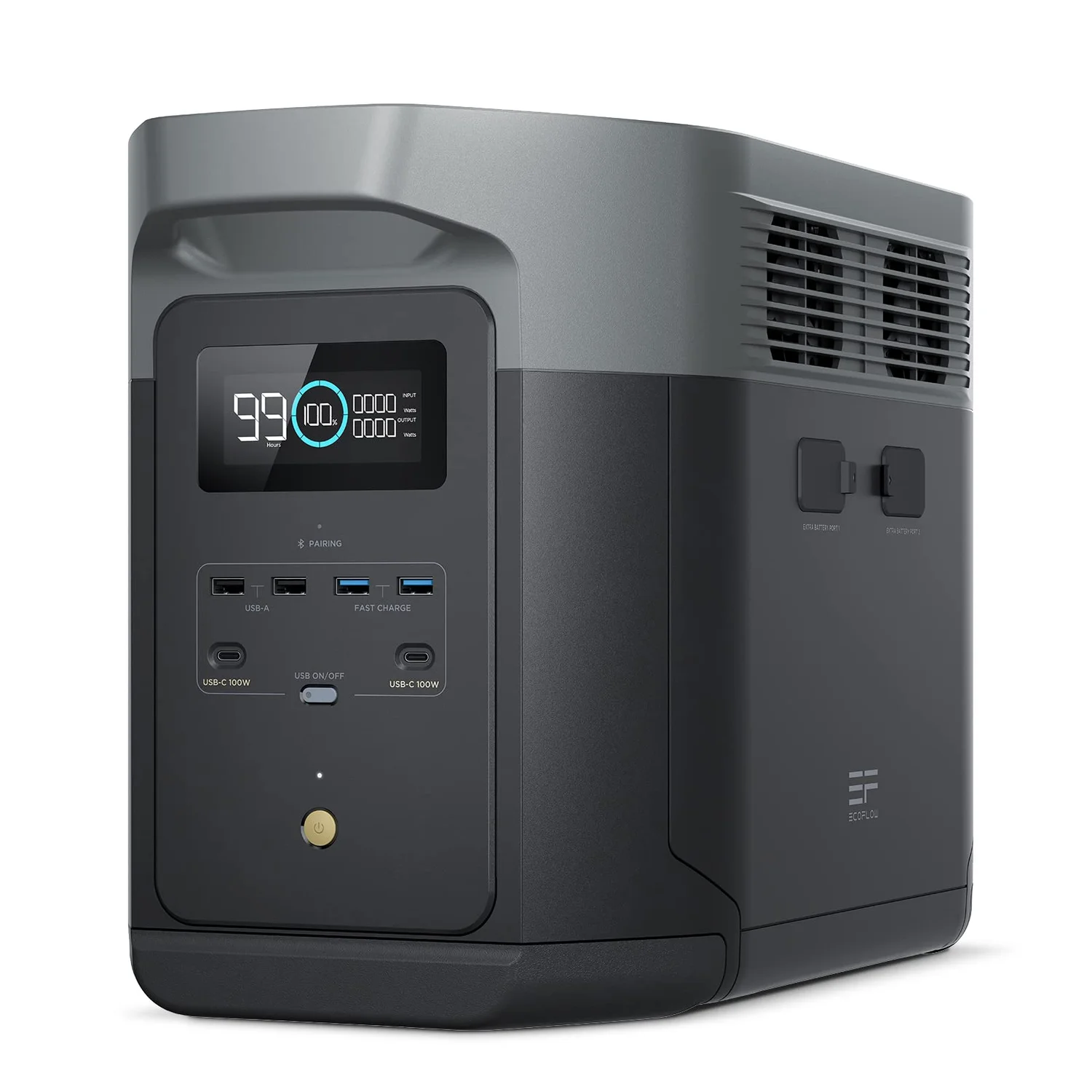
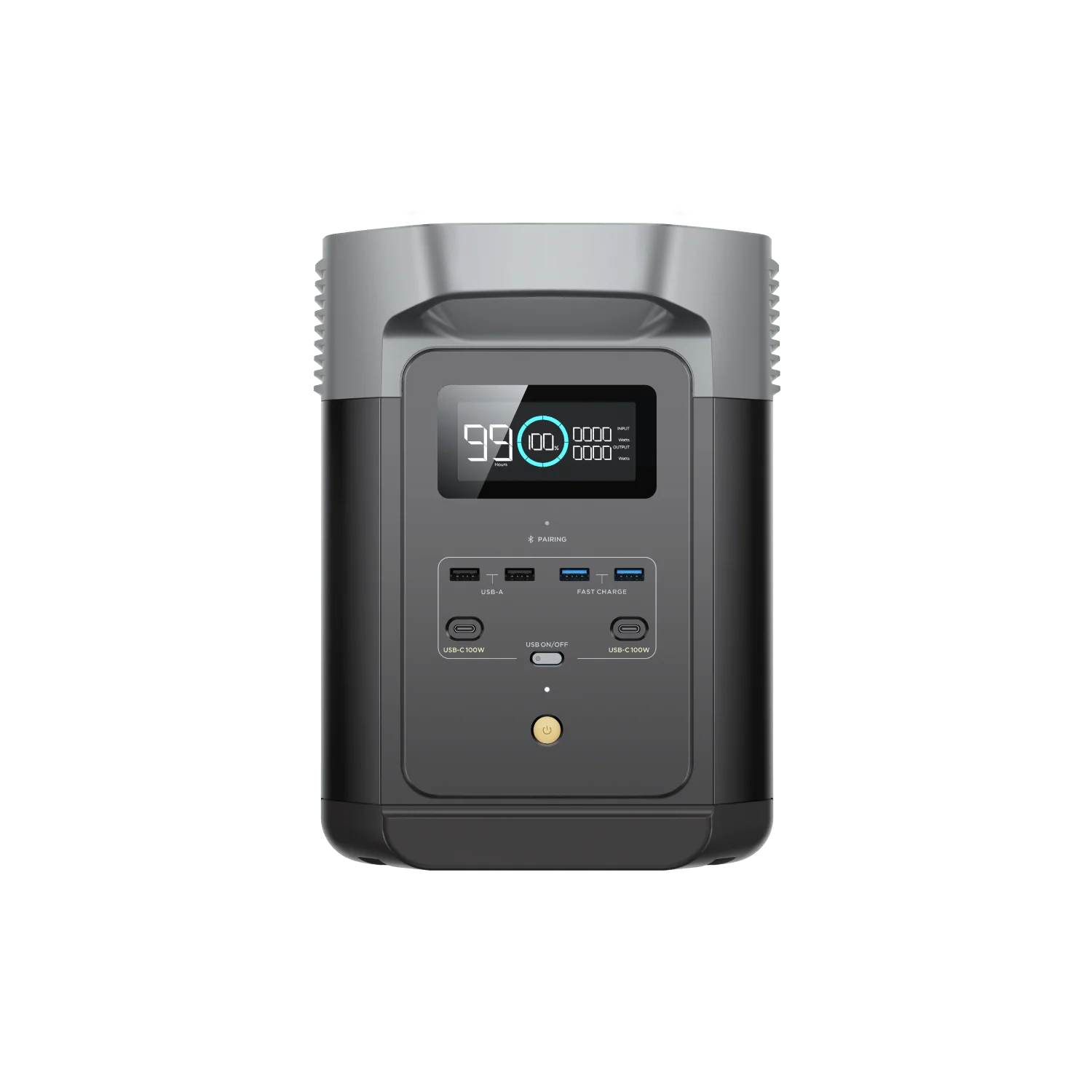
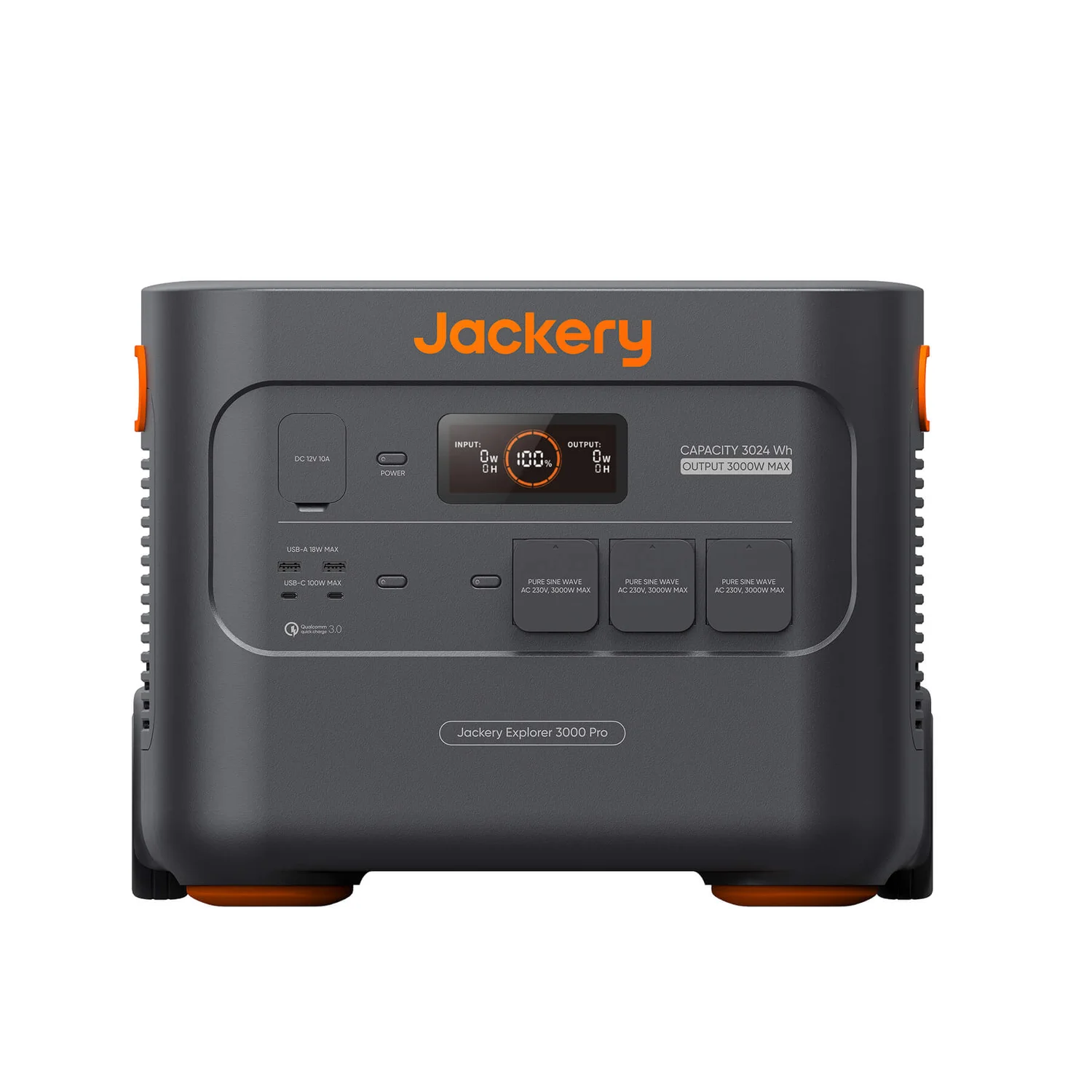
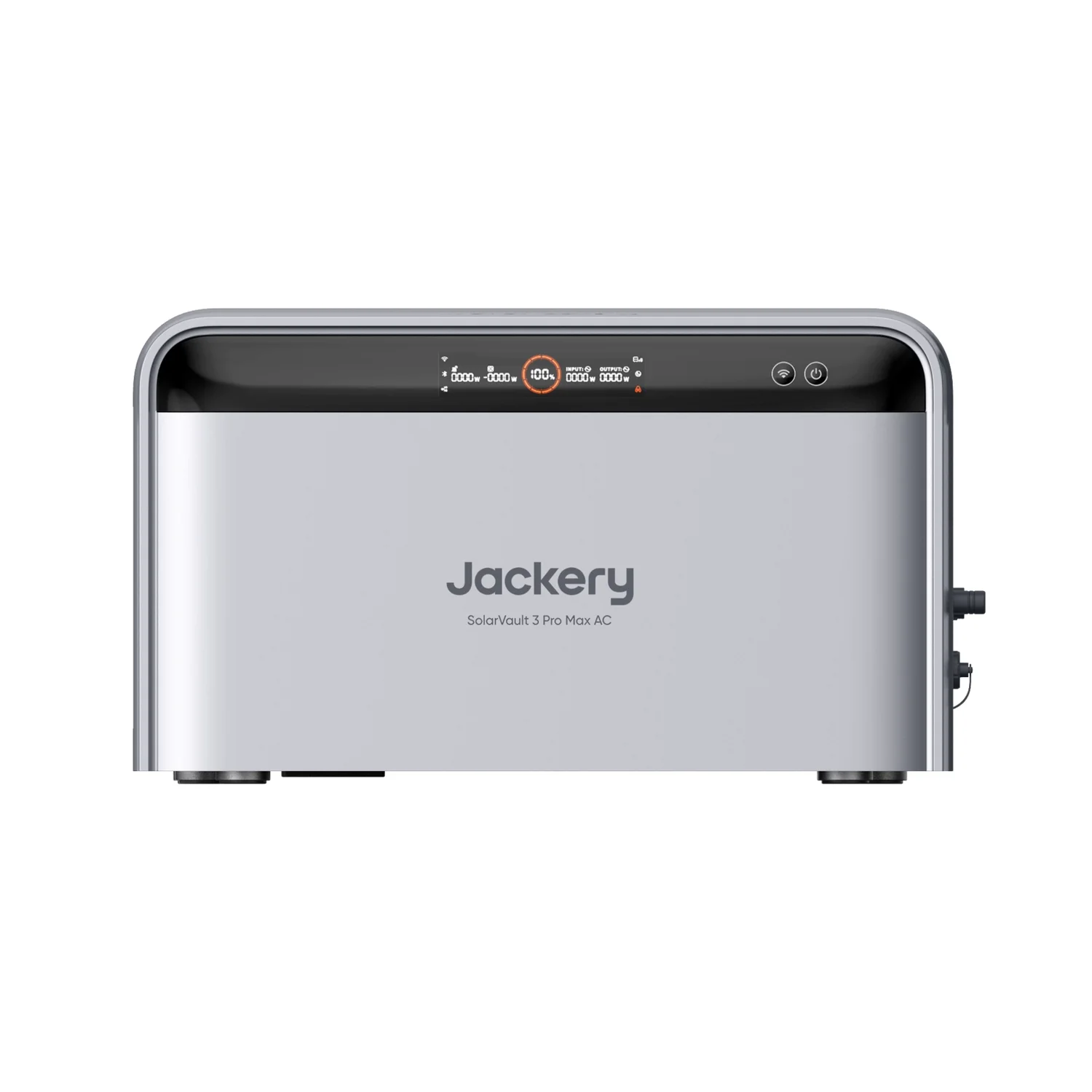
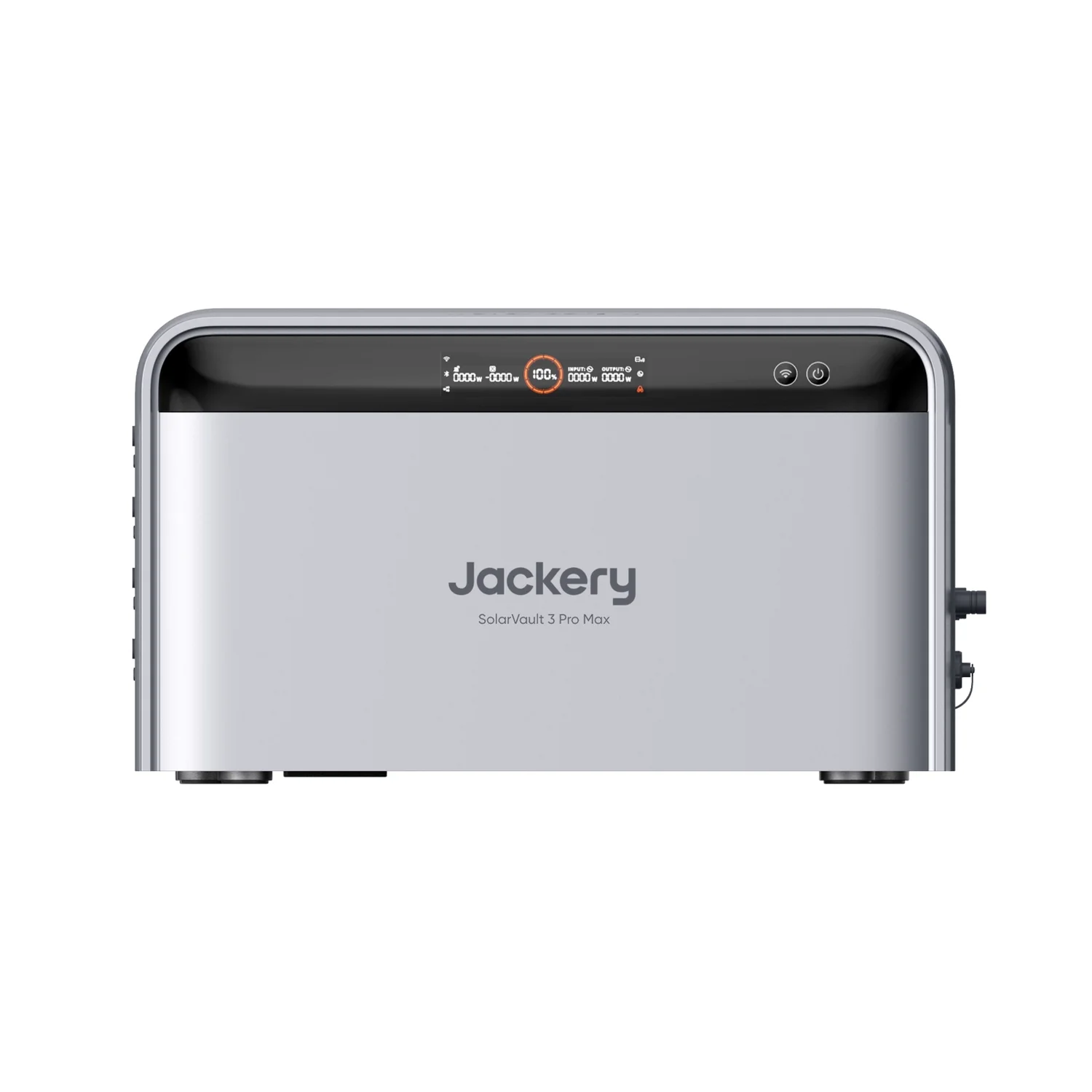
Jackery Jackery Explorer 1000 v2
JouleSpecs does not sell and does not show shop prices: check the price where you buy.
Where to buy
Check the price on AmazonPaid link: the price for you does not change.
As an Amazon Associate I earn from qualifying purchases.
Jackery Explorer 1000 v2 is a home power station with lithium iron phosphate cells, built to stay near an outlet more than for a weekend away. It doesn't grow with extra batteries: what's inside is all it will ever have. When power fails it switches to the battery quickly, so a running computer or a router don't notice.
It charges from the grid, the sun or the car outlet. To reach the maximum solar charging power, two panels need to be connected together, with a connector bought separately. It also powers appliances with a motor that draws a high startup peak, like a fridge's compressor, but it isn't suited to servers, workstations or any equipment that can't tolerate even a brief disconnection.
If the connected load stays too light, for example a router left on by itself, it turns off the outputs after a few hours so it doesn't drain the battery for nothing: for continuous use, this setting has to be turned off in the app. The warranty printed on the box applies in full only if the product is registered online within the deadline. It's built for anyone who wants a fixed home reserve for short unexpected events; anyone who needs absolute continuity, without even a moment's gap, needs something else.
Technical specifications
official manufacturer list price — on nominal capacity
| Parameter | Value | Source |
|---|---|---|
| Dimensions | 32.7 × 22.4 × 24.7 cm (12.9 × 8.8 × 9.7 in) | manufacturer website |
| Weight | 10.8 kg (23.8 lb) | manufacturer website |
| Nominal capacity | 1.07 kWh | Declared by the brand |
| Cell chemistry | LFP (lithium iron phosphate) | Declared by the brand |
| Expandable | No | Declared by the brand |
| Continuous output | 1500 W | Declared by the brand |
| Peak output | 3000 W | Declared by the brand |
| AC outlets | 2 | Declared by the brand |
| Fastest USB-C | 100 W | Declared by the brand |
| Maximum solar input | 400 W | Declared by the brand |
| Backup power | EPS (brief interruption) | Declared by the brand |
| Switchover time | 20 ms | Declared by the brand |
| Rated cycles | 4000 cicli | Declared by the brand |
| Capacity at end of cycle life | 70 % | Declared by the brand |
| Warranty | 3 anni | Declared by the brand |
| Mounting | Portable | Declared by the brand |
| Noise level | 22 dB | Declared by the brand |
| Official list price | 799 € | Declared by the brand |
| Usable capacity | — | Not declared |
| Depth of discharge | — | Not declared |
| Cell supplier | — | Not declared |
| Maximum expanded capacity | — | Not declared |
| Peak duration | — | Not declared |
| Maximum charge power | — | Not declared |
| 0–80% charge time | — | Not declared |
| Guaranteed throughput | — | Not declared |
| Guaranteed remaining capacity | — | Not declared |
| Round-trip efficiency | — | Not declared |
| Standby consumption | — | Not declared |
| Ingress protection | — | Not declared |
| Minimum temperature | — | Not declared |
| Maximum temperature | — | Not declared |
| Cell heating | — | Not declared |
| Wheels and handle | — | Not declared |
| Works without internet | — | Not declared |
| Local control | — | Not declared |
| Open protocols | — | Not declared |
| Home Assistant integration | — | Not declared |
| Where the data is hosted | — | Not declared |
| Remote updates | — | Not declared |
| App required for setup | — | Not declared |
| Declared standards | — | Not declared |
Which documents this page rests on
The rest of the data comes from one page on the manufacturer's site, cited row by row in the table above.
A manual or a datasheet counts as a source even when the original file is hosted elsewhere: what matters is the document, not the server. Where that happens, it is stated above.
What it really costs
How we worked it out
- price
- 799
- nominal capacity
- 1.070
- the manufacturer does not state the guaranteed total energy throughput, which for heavy users is often the limit that runs out first
How we worked it out
- stated cycles
- 4000
- warranty years
- 1095
- the manufacturer does not state the guaranteed total energy throughput, which for heavy users is often the limit that runs out first
- on nominal capacity: the manufacturer does not state the usable figure, so the real cost is higher
- without conversion losses, which the manufacturer does not state: the real cost is higher
How we worked it out
- price
- 799
- nominal capacity
- 1.070
- battery life cycles
- 1095
- round-trip efficiency
- 100
- energy delivered over the whole life
- 1172
- on nominal capacity: the manufacturer does not state the usable figure, so the true number is lower
How we worked it out
- nominal capacity
- 1.070
- weight
- 10.800
- on nominal capacity: the manufacturer does not state the usable figure, so the true number is lower
How we worked it out
- continuous power
- 1500
- nominal capacity
- 1.070
These numbers are calculated, not stated: they have no source to cite, they have a formula you can redo. The price used is the manufacturer's list price, which is stable and the same in every country — not a shop's price on the day.
Pros and cons
In favour
- The hundred-watt USB-C port is enough for a laptop, without its own charger.
- It stays quiet even while working, not just while charging.
- It also powers appliances with a motor that draws a high startup peak, like a fridge's compressor.
- When power fails it switches to the battery quickly: connected appliances stay on.
Worth knowing
- It shouldn't be connected to servers or workstations that can't tolerate interruptions: it isn't professional-grade power. source
- If the connected load is too light, like a router, it turns off the outputs on its own after a few hours. source
- Full warranty is only obtained by registering the product within the deadline; otherwise only the base years remain.
Similar products worth weighing up
Other products Jackery
Alternatives in the catalogue
Chosen by the declared use tier and footprint, not by price: we don't publish prices.
Updates to this sheet and Manufacturer Notes
-
Price updated